
How to Safely Return to Activity Post-ACL Injury Prevention Training
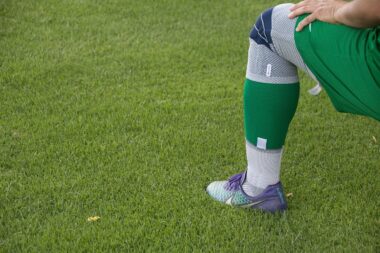
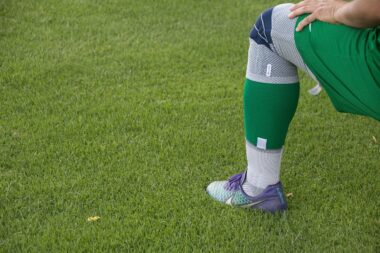
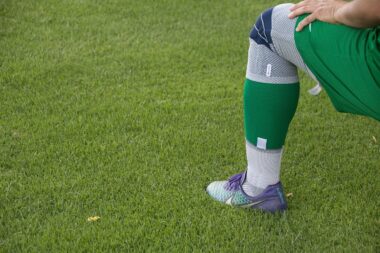
Returning to activity after an ACL injury requires diligent preparation. Understanding the stages of recovery is essential to avoid setbacks. Begin with a thorough assessment by a healthcare professional who specializes in sports injuries. They will evaluate your knee’s stability, strength, and functionality compared to the uninjured side. It’s advisable to follow a structured rehabilitation program tailored to your specific needs. These programs often focus on strengthening the quadriceps and hamstring muscles, improving balance, and enhancing coordination. Implementing proprioceptive exercises can help in regaining balance, allowing more confidence during movement. Take the time to master each step before advancing to higher impact activities. This gradual approach minimizes the risk of re-injury. Start with low-impact exercises before transitioning to running, jumping, and cutting maneuvers. Finally, always listen to your body and don’t hesitate to seek guidance from professionals, whether physical therapists or trainers. Reflect on any pain or discomfort experienced during activities as this might signal the need for a modified approach to your return plan. Remember, your health must take precedence over returning quickly to competitive sports or activities.
In the recovery phase, incorporating a range of exercises becomes key. Start by engaging in low-impact activities such as swimming, cycling, or using an elliptical machine to minimize stress on the knee. Gradually progress to exercises that focus on strength and balance. Consider activities like single-leg squats or step-ups which build functional strength critical for stability. Additionally, incorporating resistance bands during your workouts can improve strength without overloading the knee joint. Engaging in sport-specific drills can also prepare the body for the demands of your activity. Be sure to maintain proper form during all exercises. Working with a coach or physical therapist can assist in ensuring you execute movements correctly. This focus on technique will also minimize the risk of reinjury. Monitoring your reactions to each exercise is crucial; if discomfort is felt, reassess your approach. Lastly, incorporate flexibility training such as stretching exercises and foam rolling. Ensuring optimal range of motion helps the knee recover efficiently. Remember, optimal recovery and gradual progression will allow you to return to sports stronger and more resilient. Avoid rushing this critical phase!
Assessing Readiness for Increased Activity
As you progress, assessing your readiness for more challenging activities becomes vital. Consider functional movement assessments that test your knee’s strength, stability, and coordination. Speak with your rehabilitation professional to determine appropriate benchmarks for these assessments. It’s essential that your strength has returned to at least 90% of the uninjured side. While strength is critical, proprioception is equally important—ensure your balance and coordination match your pre-injury performance. Incorporating agility drills can provide valuable feedback on your capabilities. Practice movements that mimic the actions you will perform in your sport. Certain agility drills, such as lateral shuffles or figure-eight runs, target reaction times and movement efficiency while building confidence. Pay attention to any signs of instability during these drills as they can indicate an area needing attention. Also, include sport-specific conditioning in your routine to prepare your body for the unique stresses of your preferred sport. The goal is to replicate the demands of your sport through training to ensure a smooth transition. With proper assessment and training, you can achieve a successful return to activity.
Mental preparation plays a crucial role in returning to activity after an ACL injury. Often, athletes face psychological barriers that stem from the injury experience. A common fear is the reoccurrence of the injury, which can hinder confidence and performance. Engaging in mental preparation techniques such as visualization can aid in overcoming these fears. Spend time envisioning successful movement patterns, like jumping or pivoting, to build mental resilience. Additionally, practice relaxation techniques, such as deep breathing or mindfulness, to manage anxiety. Consider seeking support from a sports psychologist who specializes in injury recovery. They can guide you through mental strategies to build confidence in your physical abilities. Emphasizing a positive mindset is equally vital; focus on improvements made during rehabilitation rather than setbacks. Connecting with fellow athletes who have overcome similar injuries can provide motivation and reassurance. Finding support in community groups or forums helps individuals understand that they are not alone in their experiences. Remember, mental resilience is as important as physical strength in the road to recovery and returning to sport. Building this foundation can lead to greater performance once you rejoin your activity.
The Role of Nutrition in Recovery
Proper nutrition is key in supporting recovery from an ACL injury. A well-balanced diet rich in essential nutrients aids healing and strengthens muscles connecting to the knee. Focus on incorporating foods high in protein, healthy fats, and carbohydrates to fuel your body. Protein is crucial for repairing muscle tissue; sources include lean meats, fish, beans, and nuts. Consuming healthy fats from avocados, olive oil, and fatty fish can help reduce inflammation, supporting your healing process. Moreover, carbohydrates provide the necessary energy for workouts and activities, ensuring you maintain a solid foundation for recovery. Ensure to hydrate adequately; water is essential for joint lubrication and overall bodily function. Incorporating vitamins and minerals such as Vitamin D and Calcium promotes bone health and recovery. Foods such as dairy products, green leafy vegetables, and fortified foods are excellent sources. Consulting a nutritionist can assist in developing a tailored meal plan to support your healing journey. Adopting healthy eating habits not only accelerates recovery but also equips you with the necessary resources to return to full activity safely. Prioritize nutrition as part of your overall recovery strategy.
As you start participating in your preferred recreational activities again, be aware of how you physically respond. Begin with short durations and gradually increase the intensity of your involvement. Pay close attention to your body’s signals—any pain or unusual discomfort may indicate that you’re pushing too hard, and you might need to dial it back. Keep a journal of your progress, noting any discomfort or signs of fatigue. This information is valuable in assessing your recovery’s status and understanding personal limits. Enlist support from trainers or coaches, allowing them to monitor your progression during practice sessions. They can provide tips on technique adjustments that promote safety. Open communication about your recent injury history is vital for everyone involved in your training. As you approach higher levels of activity, consider additional preventative measures, such as proper warm-ups and cooldowns. These steps ensure that your body is equipped for the increased demands. Incorporating regular check-ins with healthcare professionals can help catch any potential issues before they escalate. Remember, a cautious approach will help preserve the recovery gains you’ve already achieved.
Long-Term Strategies for Injury Prevention
Ensuring a successful transition back to the sport involves long-term injury prevention strategies. Continued strength training, flexibility workouts, and proprioceptive exercises should regularly be integrated into your routine. Staying on top of your physical fitness, even after returning to activity, is vital for maintaining knee health. Engage in a comprehensive training program that emphasizes injury prevention. Such programs often focus on balance, strength, power, and agility. It’s also important to remain educated about ACL injuries and strategies to prevent them moving forward. Participating in workshops or discussions can enhance your knowledge regarding injury prevention. Join community classes or local sports programs that emphasize body awareness and injury prevention techniques. Consistently practice pre-participation screening and warm-up routines to prepare your body ahead of exertion. Speak with friends and teammates about proper techniques to enhance safety during your sport. Understanding the warning signs of fatigue or improper movement will further minimize risks of injury. When incorporated, these strategies contribute to a healthier, stronger return to activity, helping prevent ACL injuries in the long run.
Overall, returning to activity after ACL injury prevention training requires patience and persistence. It is essential to recognize each individual’s journey and tailor your rehabilitation approach accordingly. Adapting to new challenges and embracing a growth mindset will significantly impact your recovery success. Remember to celebrate the small victories along the recovery path. Engage with supportive communities and seek out resources geared toward injury prevention and recovery. Connect with others who share similar experiences and provide encouragement can enhance motivation during rehabilitation. Focus on setting realistic goals and take calculated steps toward regaining pre-injury performance. Most importantly, prioritize your health and wellness; rushing the process can lead to setbacks. Follow the guidance from healthcare professionals and trainers who are keen on your recovery journey. Their expertise is indispensable in navigating your pathway to safe activity. Always remember that recovery is not a sprint, but a marathon. Trust in your ability to return stronger, and soon you will be back indulging in sports and activities you cherish. Embrace the journey, and stay committed to implementing what you’ve learned during recovery for long-lasting benefits.