
How to Incorporate Intermittent Fasting into Your Keto Meal Plan
Incorporating intermittent fasting into your keto meal plan can be a game changer. The keto diet itself focuses on low-carb, high-fat meals, which can be extremely effective for weight management and improving metabolic health. However, the combination of keto with intermittent fasting may amplify these benefits. Intermittent fasting involves cycling between periods of eating and fasting, allowing your body to enter a state of ketosis more efficiently. You can start with a 16/8 fasting method where you eat only during an 8-hour window each day. For instance, consume your meals between noon and 8 PM and fast from 8 PM until noon the next day. This approach aligns perfectly with the keto macronutrient ratio, allowing your body to burn fat for energy during the fasting period. This synergistic blend can lead to better fat loss and improved brain function. Remember to listen to your body’s hunger cues, and stay well-hydrated during fasting. Ensure you consume sufficient nutrients during your eating window, focusing on high-quality fats, proteins, and low-carb vegetables for optimal health. Consult with a healthcare professional before starting any new diet.
Planning Your Meals
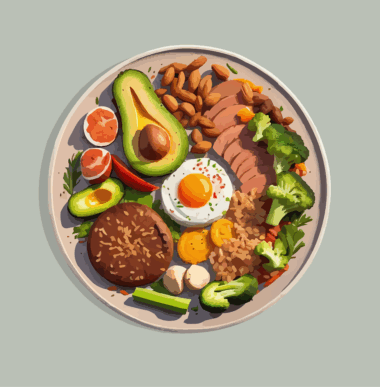
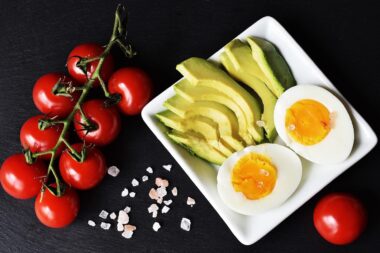
When planning your keto meals around intermittent fasting, it’s vital to be strategic. Create a weekly meal plan that aligns with your preferred fasting schedule. Start by making a list of keto-friendly foods you enjoy. Opt for high-fat options like avocados, nuts, seeds, and oily fish like salmon. Include lean proteins such as chicken, beef, or pork, and don’t forget your low-carb vegetables. Prepare meals in advance to avoid temptations during your fasting window. Batch cooking can save you time and help maintain your keto diet. An ideal keto meal would be a salad topped with olive oil, grilled chicken, and cheese. During your eating periods, focus on nutrient-dense foods that keep you satiated longer, reducing cravings. Consider including snacks such as boiled eggs or cheese sticks. Using meal prep containers to store your meals makes quick access easy. You might also find keeping a food journal helpful for tracking your macronutrients. This practice ensures you remain within your carb limits while benefiting fully from intermittent fasting. Adjust your meal sizes based on your hunger levels and daily activity.
Stay Hydrated
During both your eating and fasting windows, hydration is key. Water is essential for digestion and helps in the transition into ketosis while on a keto diet. Often, we mistake thirst for hunger, leading to unnecessary snacking. Drinking enough water can curb these false hunger pains, enhancing the effectiveness of intermittent fasting. Aim to drink at least 8 to 10 glasses of water a day, but feel free to increase this amount based on your activity level. Consider adding electrolytes to your water if you experience fatigue or headaches, symptoms that some may face while transitioning into a keto-focused intermittent fasting routine. Herbal teas and black coffee can also be part of your hydration strategy, especially during fasting hours. These beverages contain virtually no calories and may even help suppress your appetite. However, avoid adding sugar or high-carb additives. Monitoring your hydration helps improve energy levels and concentration, making it easier to adhere to both keto and intermittent fasting. Bring a water bottle with you during the day to track your intake and make staying hydrated a habit.
Focus on Nutrients
It’s crucial to prioritize nutrient density when combining a keto diet with intermittent fasting. Since you have a limited time to consume your meals, every bite must count. Opt for whole, unprocessed foods to ensure you’re getting the vital nutrients your body needs. Meals rich in omega-3 fatty acids, vitamins, and minerals align well with both keto guidelines and intermittent fasting principles. For instance, fatty fish, leafy greens, and avocados are perfect choices. Attaining sufficient fiber is equally essential for digestive health. Consider incorporating fibrous vegetables like broccoli, cauliflower, and zucchini into your meals. Not only do these options keep your carb count minimal, but they also offer essential nutrients. Healthy fats like coconut oil and grass-fed butter should be included for an optimal intake, supporting energy levels and ensuring hormonal balance. Supplements can be beneficial, especially if you feel you’re lacking in specific nutrients while on a restrictive diet. Consult with a healthcare provider to find the right balance of supplements to complement your meals and fasting schedule. This balance aids in maximizing health outcomes.
Adjusting your methods to find what works best for you is effective when integrating intermittent fasting with your keto meal plan. The beauty of both approaches lies in their adaptability. Not everyone may thrive on the same fasting windows or meal compositions. Start by experimenting with different fasting durations. Some people may prefer a shorter 12-hour fast, while others might enjoy the challenge of a 24-hour fast. Track how your body responds to various protocols over time. Similarly, try out various keto meals to identify what keeps you satisfied. You could mix up your sources of protein, try different high-fat foods, or vary your vegetable choices. Listening to your body and monitoring your energy levels is crucial for your success. When you hit a plateau, reassess your calorie intake or meal combinations. Identifying any potential areas for improvement enhances effectiveness. Connecting with communities online or through apps can provide support and accountability. Many keto and intermittent fasting enthusiasts have shared valuable tips and methods that worked for them. This communal aspect helps in maintaining motivation.
Monitor Your Progress
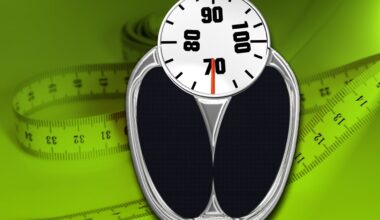
Keeping track of your progress while integrating intermittent fasting into your keto diet is fundamental for maximizing results. Document your food intake, fasting periods, and how you feel physically and mentally. Consider using a journal or an app designed for tracking nutrition and fasting protocols. Regularly evaluate your goals and how well you’re meeting them. This information can reveal trends in your energy levels, moods, and the efficiency of your meals. The effectiveness of your diet may vary with seasons, lifestyle changes, or hormonal fluctuations. So, don’t be disheartened by occasional setbacks; they’re a natural part of any dietary journey. Adjustments should be made based on your documented experience. Focus on maintaining a positive mindset and recognize even small victories along the way. Additionally, consider taking measurements such as tracking your waist circumference or taking progress pictures to visualize changes better. This holistic approach addresses not just weight but also overall well-being when monitoring your journey. Ultimately, the key is to maintain consistency and enjoy the newfound health benefits of this dietary combination.
Finding enjoyment through the intermittent fasting and keto journey requires embracing meal variety and creativity in the kitchen. The perception of restriction can often lead to frustration, so making the most of available options can help keep you motivated. Explore innovative recipes and find unique methods of preparing your favorite keto-friendly foods. Experimenting with spices and flavorings can elevate the simplest of meals and make them exciting again. Participate actively in meal planning by incorporating family favorites but tweaking them for keto suitability. Involve your family or friends in the cooking process. This way, sharing your experience adds an enjoyable social element to the challenge of meal prepping. Focusing on shared experiences fosters bonding and support among loved ones who might also benefit from this healthy lifestyle. Explore online recipe libraries or social media platforms for inspiration related to keto meals that fit your fasting schedule. This exploration makes learning enjoyable and keeps your long-term commitment more feasible. By creatively adapting your meal plans, you can maintain excitement, enjoy food, and successfully combine both dietary approaches, leading to a sustainable lifestyle change.
Conclusion
In conclusion, merging intermittent fasting with a keto meal plan can lead to significant health benefits and weight loss, provided done correctly. Pay attention to your body’s signals and personal preferences during this process. It’s crucial to set realistic expectations and embrace gradual changes. Over time, this can lead to lasting habits that promote a healthier lifestyle. Staying composed and informed about your food choices and fasting periods is essential. Seek support, whether from online communities or professionals, especially when starting your journey. Connecting with those who share similar goals can help provide encouragement and maintain motivation. Lastly, don’t forget to celebrate your achievements along the way, no matter how small. These moments of recognition reinforce your commitment to a healthier you. So, as you embark on this journey, remain patient and adaptable. Finding what works best for your lifestyle will ultimately pave the way for success, bringing about not only weight loss but also enhanced overall health and vitality. May your experience with keto and intermittent fasting lead to sustainable wellness and lifelong good habits.