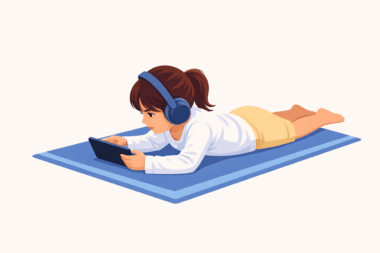

Fitness Apps That Help Teens Manage Stress and Wellness
Today, technology plays a crucial role in keeping teens healthy and managing their stress levels. Fitness apps specifically designed for youngsters can have a profound impact on their mental and physical well-being. These applications allow teens to monitor their daily activities, set fitness goals, and engage in mindful practices, making wellness more accessible. Many of these apps include features that cater specifically to stress management, such as guided meditation and breathing exercises. This makes them not only helpful for physical fitness but also beneficial for mental health. Additionally, these apps often incorporate gamification, making the journey towards health and wellness engaging and fun. Teens are encouraged to participate in challenges and achieve milestones, fostering a sense of accomplishment. Examples of popular fitness apps include Headspace, Calm, and MyFitnessPal, each providing unique resources for self-care. It is essential for parents to stay informed about these technologies to help navigate their child’s fitness journey effectively. By incorporating fitness apps into daily routines, teens can learn vital skills for managing stress and enhancing their overall health, ultimately leading to a more balanced lifestyle.
Stress management isn’t just about relaxation; it also involves incorporating healthy habits into daily life. Many fitness apps provide comprehensive workout routines tailored for teens, promoting physical activity as a way to relieve stress. Regular exercise is known to boost mood, alleviate anxiety, and improve self-esteem, which is particularly beneficial during the teenage years when emotions can be overwhelming. Interactive features within these applications allow for personalization, ensuring that workouts remain exciting and relevant to different interests. With activities ranging from yoga to high-intensity training, teens have numerous options to choose from, encouraging them to find what they enjoy. Furthermore, fitness apps facilitate tracking progress over time, which further enhances motivation and accountability. This data can lead to informed decisions regarding health choices, a crucial element of wellness. Along with physical workouts, many of these applications also focus on nutrition, offering meal planning ideas and healthy recipes. By joining fitness communities within these apps, teens can connect with peers who share similar goals, promoting support through shared experiences and motivation to stay committed. Thus, wellness becomes a collaborative effort as they learn and grow together.
Key Features to Look For in Fitness Apps
When selecting fitness apps for teens, several key features can enhance effectiveness. First and foremost, the app should have user-friendly navigation, allowing teens to explore content without frustration. Customization options are essential as well, enabling users to tailor fitness programs according to their personal preferences or goals. Engaging formats like video tutorials or interactive workout sessions can vastly improve user experience. Additionally, incorporating educational resources about stress, time management, and healthy habits can enrich the app’s value. Social sharing features enable users to post achievements or participate in challenges with friends, fostering a sense of community. This interaction can significantly enhance motivation levels, as teens often find encouragement through peer support. Push notifications serve as gentle reminders to maintain an active lifestyle, ensuring that fitness remains a priority amidst busy schedules. Incorporating wellness components like meditation sessions or logs for tracking mood can allow teens to develop important self-care skills. By focusing on these features, parents and teens can choose the right fitness application that effectively supports both physical activity and mental well-being, facilitating a comprehensive approach to health for young individuals.
In addition to technology’s role in promoting physical fitness among teens, mindfulness is gaining ground as an essential aspect of overall health. Although many fitness apps prioritize physical activity, the introduction of mindfulness training within these applications emphasizes the need for mental wellness too. Apps like Insight Timer and Simple Habit provide guided meditations and mindfulness exercises tailored to teenage users, helping them to manage stress in a balanced way. By encouraging regular practice, teens can develop the necessary tools to face challenges in their various environments, including school and social settings. Many of these mindfulness features also integrate journaling options, allowing users to reflect on their progress and feelings, thereby nurturing self-awareness. As teens engage with these resources, they learn to navigate their emotions and reactions more effectively. This skill is invaluable in today’s fast-paced world, where stress can come from various sources. Consequently, employing an app that combines fitness routines with mental wellness practices prepares teens for holistic health management that extends beyond their teenage years into adulthood. Therefore, the right apps can be a gateway toward lifelong wellness strategies.
Benefits of Utilizing Fitness Apps
The incorporation of fitness apps into the daily lives of teens comes with myriad benefits that extend beyond improving physical fitness. One notable advantage is the convenience these apps provide; they allow teens to exercise and practice wellness right from their homes, fitting into busy schedules easily. This accessibility can motivate teens who may otherwise be hesitant to join a gym or sports team. Moreover, these apps cultivate a sense of independence, enabling users to set personalized fitness goals and track their achievements at their own pace. The immediate feedback derived from tracking progress can bolster confidence, as teens visualize their improvement over time. Through engaging formats and interactive features, users are less likely to abandon their routines, leading to sustained participation in fitness and wellness activities. Another significant benefit is the expansive range of resources available at their fingertips; users can explore various workout types and wellness strategies tailored specifically to them. Sharing achievements with friends can enhance feelings of belonging and admiration in their social circles, reinforcing their commitment to a healthy lifestyle. Ultimately, these benefits contribute to the overall well-being of teens as they navigate the complexities of adolescence.
Maintaining a healthy lifestyle is crucial for teens, particularly during stressful times. Fitness apps can play an important role in helping teens make informed lifestyle choices by providing valuable information at every turn. By nurturing the relationship between physical health and mental wellness, these applications encourage teens to develop habits that will serve them well for years to come. Nutrition tracking features empower teens to understand their eating habits better, which is typically one of the first areas to address when focusing on health. Many fitness apps also offer challenges and rewards systems that keep users engaged, fostering a sense of accomplishment while encouraging consistency. Whether through setting personal goals or joining a community of like-minded individuals, the motivation to maintain a healthy lifestyle becomes exciting and competitive. Engaging with fitness and stress management apps fosters a sense of purpose within teenagers, translating into improved focus and performance both in academics and personal life. By offering guidance and assistance, these apps can effectively bridge the gap between managing daily life challenges and achieving holistic wellness. As technology evolves, the potential benefits for young individuals will continue to expand, shaping healthier generations.
The Future of Fitness Technology for Teens
As technology continues to advance, the possibilities for fitness apps catering to teens are limitless. Emerging technologies like virtual reality (VR) and augmented reality (AR) are beginning to find their way into fitness experiences, providing immersive environments that can make exercises both exciting and engaging. These innovations could transform workouts into fun explorations rather than simple routines. Additionally, wearable fitness technology is becoming increasingly popular, allowing for more accurate tracking of physical activity and providing feedback about wellness indicators like heart rate, sleep patterns, and more. This instant feedback can further empower teens to take charge of their fitness journeys. Furthermore, advancements in artificial intelligence (AI) may pave the way for apps to personalize user experiences based on individual goals and preferences. Such advancements can ensure that users remain engaged while avoiding the monotony often associated with traditional workouts. As these technologies evolve, the integration of community features within apps is also likely to strengthen, helping teens connect with peers who encourage one another. The future promises a fitness landscape that is not only more interactive but ultimately better suited to meet the diverse needs of today’s youth as they navigate their health and wellness journeys.
In conclusion, fitness apps present a unique opportunity for teens to manage stress and promote overall wellness. With the right blend of features aimed at promoting physical activity, mindfulness, and nutrition, these applications can be instrumental in developing healthier habits early in life. By embracing technology, teens can learn how to self-regulate their health practices, empowering them to handle challenges more effectively. Parents and guardians can guide their children in selecting appropriate apps while engaging in discussions about their experiences and progress. As teens explore these various resources, they not only enhance their physical fitness but also develop essential life skills. Incorporating fitness apps into regular routines fosters an awareness of the importance of self-care and personal responsibility. This balance can ultimately lead to improved mental health outcomes and healthier lifestyles. The blend of physical activity and mental well-being championed by these apps equips teens with vital tools to manage stress and navigate the demands of their everyday lives. With an ever-expanding array of options available, the journey toward health doesn’t have to feel overwhelming—it can be enjoyable and rewarding instead. This positive relationship with fitness technology could set the foundation for well-being in their adult years.