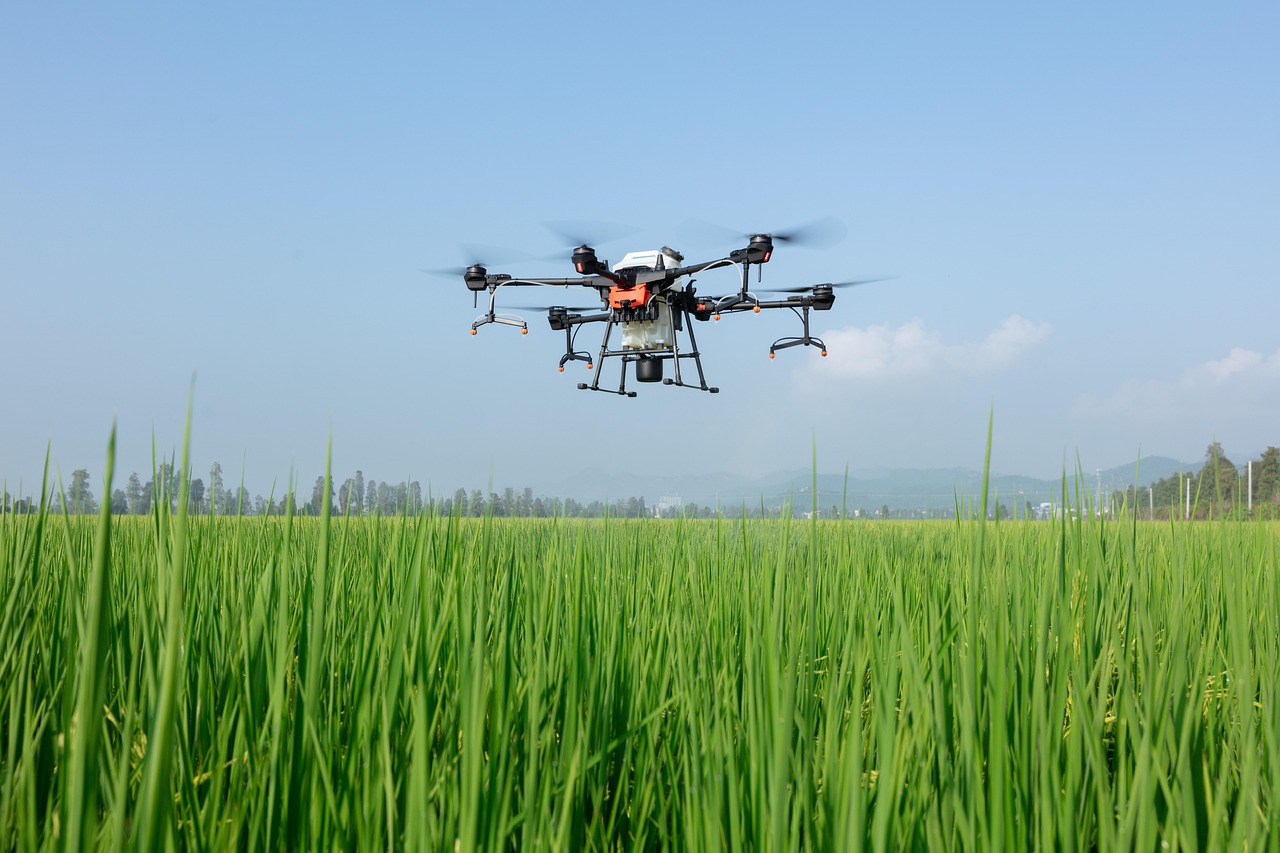

Climate-Smart Agriculture Practices to Support Environmental and Personal Fitness
Sustainable agriculture practices are essential as they help reduce environmental degradation and promote holistic well-being. Climate-smart agriculture integrates various methods that focus on enhancing productivity while maintaining ecosystems. Farmers are encouraged to adopt techniques that contribute to climate resilience, ensuring better yields under changing environmental conditions. Techniques such as cover cropping improve soil health, increase biodiversity, and provide habitat for beneficial organisms. These practices ultimately lead to better food quality and nutritional value for consumers. Moreover, agroforestry systems, which merge trees and crops, offer multiple benefits including wind protection, shade, and improved soil moisture retention. Cities can also adopt urban agriculture practices while promoting community wellness. These community gardens not only provide access to fresh produce but also foster social connections among residents. Educational programs focused on sustainable gardening can empower individuals to grow their own food sustainably. Furthermore, incorporating rotational grazing strategies enhances soil carbon sequestration while providing nutrient-rich pastures for livestock. By integrating these practices, communities can encourage physical activity, improve mental health, and support local economies. Therefore, climate-smart agriculture is undeniably a pathway towards achieving environmental and personal fitness.
Sustainable practices also emphasize the importance of organic farming methods that reduce chemical dependency. By avoiding synthetic pesticides and fertilizers, organic agriculture supports biodiversity by creating healthier ecosystems. Organic farming systems often utilize crop rotation, composting, and natural pest control, ensuring the soil remains alive and fertile. By engaging in these practices, farmers contribute to ecosystem balance while producing food that benefits human health. Moreover, they can involve consumers in the process through community-supported agriculture (CSA) programs, forging deeper connections between individuals and the sources of their food. These initiatives support local economies and foster a sense of responsibility towards food sourcing. Furthermore, regenerative agriculture steps it up by focusing on methods that restore soil health, enhance biodiversity, and sequester carbon. Farmers practicing regenerative techniques use cover crops, reduce tillage, and emphasize diverse rotations. These practices help in building resilient farming systems capable of withstanding climate instability. In reducing carbon footprints, farmers also lessen their impact on global warming and protect natural resources. By prioritizing sustainable practices, agriculture can play a vital role in combating climate change while promoting public health and nourishment.
Recognizing that improving environmental sustainability is interconnected with human health, agriculture increasingly focuses on the use of integrated pest management (IPM) strategies. These methods allow for the effective control of pests while reducing adverse environmental effects. Farmers utilizing IPM rely on natural pest predators, crop rotation, and precision agriculture technologies to minimize chemical use. This ensures the protection of beneficial insect populations and maintains biodiversity on their farms, which directly supports ecosystem health. The reduction of chemical usage results in fewer harmful residues entering food systems. Consumer awareness about pesticide residues prompts initiatives towards sustainable farming standards, making health a priority. Furthermore, on-farm biodiversity enhances the resilience of agricultural systems against diseases and climate extremes. By promoting diverse crop rotations and inter-cropping, farmers increase the overall health and nutrition of their produce. Adopting these diverse agricultural systems positively influences the local economy, creates job opportunities, and fosters local production. Additionally, connecting local producers with markets ensures the community’s access to fresh, high-quality food. Consequently, climate-smart agriculture promotes synergy between environmental health and personal fitness, benefitting both ecosystems and local communities.
Community Engagement and Education in Sustainable Practices
Engaging communities in sustainable agriculture practices fosters collective responsibility and emphasizes environmental stewardship. Education forms the cornerstone of promoting climate-smart approaches, translating knowledge into action that benefits both families and neighborhoods. Workshops, local farming events, and school programs highlight the significance of sustainability in agriculture and inspire individuals to participate in local farming initiatives. By involving youth in agriculture, we can instill values of sustainability and appreciation for nature. Incorporating these concepts into educational curriculums empowers future generations with knowledge necessary for addressing global challenges such as food security and climate change. Additionally, community gardens serve as living classrooms, allowing individuals of all ages to learn and connect with food sources. Furthermore, local farmers’ markets emerge as important venues for knowledge exchange, where consumers learn directly from producers about sustainable practices. Providing consumers with transparency about how their food is grown strengthens their commitment to supporting local agriculture. Local governments can play a role by facilitating partnerships between farmers and residents, ensuring the viability of sustainable initiatives. Thus, community engagement proves vital for the promotion and longevity of climate-smart agriculture practices.
Policymakers also play an influential role in advancing sustainable agriculture practices through supportive legislation and funding opportunities. Government incentives can promote the adoption of climate-smart techniques, providing farmers with financial assistance for transitioning to more sustainable practices. This may include grants for implementing renewable energy technologies, such as solar panels or wind turbines, on farms. Additionally, establishing conservation programs supports farmers in adopting practices that enhance ecosystem health while maintaining productivity. These initiatives help in reducing environmental impact in agriculture by emphasizing soil management, water conservation, and habitat restoration. Moreover, creating a regulatory framework that prioritizes sustainable food systems encourages cooperation throughout food supply chains. By integrating sustainable principles into agricultural policies, governments can enhance food security, environmental health, and economic vitality within their regions. Public awareness campaigns highlighting the benefits of sustainable farming could further enhance community engagement, connecting consumers with the origins of their food. Encouraging agroecological practices through policy initiatives fosters public health while creating vibrant rural economies. As policymakers continue to prioritize sustainability, the ambition to balance agricultural productivity with environmental fitness becomes a reachable goal.
As consumers increasingly seek quality and health-conscious choices, the market for sustainable and climate-smart agriculture products is growing rapidly. Shoppers are now more informed and motivated to make choices that align with their values regarding environmental and personal well-being. This changing consumer behavior increases the demand for organic, locally-sourced, and sustainably-produced food items, creating new opportunities for farmers. Farmers who adopt such practices not only contribute to environmental health but also position themselves favorably in the marketplace. An emphasis on traceable food sources and eco-friendly farming methods fosters consumer trust and loyalty, leading to consistent demand for those products. Additionally, as the global population rises, innovative approaches in sustainable agriculture are critical for ensuring food security. These farming practices must address climate mitigation challenges, aiming to reduce greenhouse gas emissions associated with traditional agriculture. Furthermore, sustainable practices such as permaculture or aquaponics maximize productivity while using fewer resources, providing eco-friendly solutions for urban and peri-urban environments. Thus, the growing consumer market for sustainable agriculture helps shape the future of food systems that prioritize planet wellness.
Conclusion: The Future of Climate-Smart Agriculture
In summary, climate-smart agriculture offers an essential pathway to fostering environmental fitness and improving community well-being. By implementing various sustainable practices, farmers can contribute to increased food production while mitigating the impacts of climate change. These approaches not only combat environmental degradation but enhance local economies and empower communities. Education and awareness are crucial components of ensuring a successful transition to climate-smart agriculture. By engaging communities, policymakers, and consumers, we can collectively create a movement towards sustainable practices that honor both people and the planet. As technology advances, innovative solutions are set to enhance sustainable agriculture further. Research and development efforts will continue refining practices that promote resilience against climate change while recognizing the importance of personal fitness. By prioritizing climate-smart agriculture, we participate in global efforts to create a healthier planet and society. Ultimately, every one of us holds the power to influence food systems positively, contributing to healthier landscapes, better produce, and enhanced quality of life. Collaborative efforts aimed at sustainability can lead us toward a flourishing future where environmental fitness and agricultural productivity harmoniously coexist.