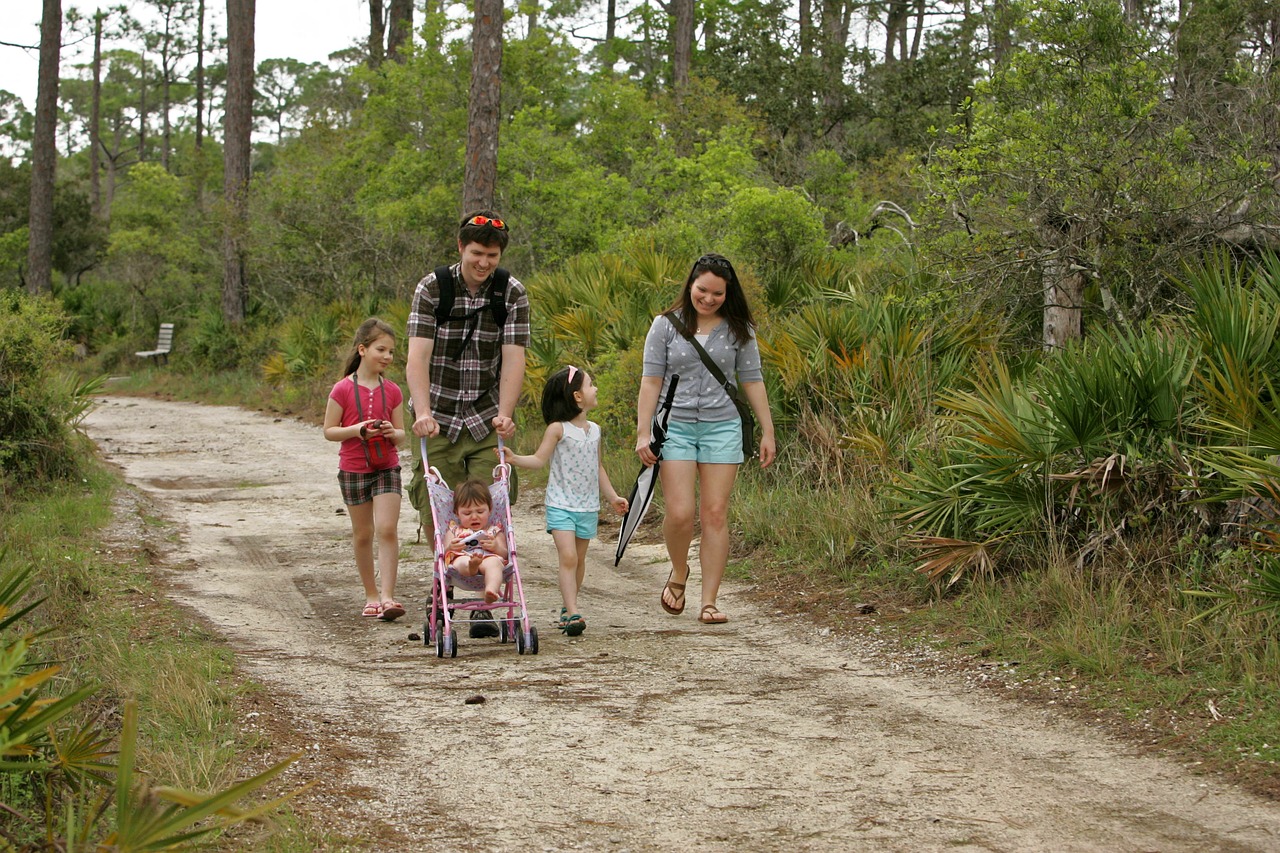

The Benefits of Nature Walks for Kids’ Physical and Mental Health
Nature walks provide a unique opportunity for children to connect with the great outdoors. These simple yet effective activities promote various aspects of physical fitness, stimulating cardiovascular health and muscle development. Kids can benefit significantly from the fresh air and natural surroundings while enjoying leisurely hiking experiences. Engaging them in such activities helps alleviate stress levels and promotes relaxation. Moreover, participating in these walks encourages an active lifestyle rather than sedentary indoor activities. Parents can include nature walks in routine family outings, fostering togetherness and making fitness enjoyable for youngsters. The sounds and sights of nature help create an immersive experience for kids, encouraging curiosity and exploration skills while engaging their minds. Such activities are critical in managing weight, promoting healthy bone development, and improving overall metabolism. They build better stamina and provide ample opportunities for social interaction among peers, boosting self-esteem. Overall, encouraging nature walks within the framework of family fitness builds lifelong habits that support physical well-being and mental resilience in children. Combine this with proper nutrition for optimal health for each child.
Physical Benefits of Nature Walks
Walking in nature offers numerous physical benefits that contribute significantly to children’s health. Firstly, it enhances cardiovascular fitness as kids engage in moderate exercise while exploring their surroundings. Improved heart health is crucial for young ones, as it sets a strong foundation for lifelong physical activity. Furthermore, regular nature walks help build muscle strength and endurance, which are essential for children’s growth and development. As they navigate diverse terrains, children improve their coordination and balance, skills that are vital for various physical activities and sports. Being outdoors also exposes them to sunlight, which is beneficial for vitamin D production, supporting healthy bone growth. Additionally, walking boosts the immune system, reducing susceptibility to common illnesses. Children are more likely to achieve their daily recommended physical activity levels through enjoyable nature walks compared to rigid exercise routines. When combined with engaging conversations or family bonding, these outings become more meaningful and impactful, leading to better mental and emotional well-being. As a result, children can enjoy a sense of achievement through their active lifestyles, making fitness a natural and seamless part of their daily lives.
Beyond physical advantages, nature walks have remarkable positive impacts on kids’ mental health. The natural environment acts as a soothing balm against anxiety, stress, and depression in children. Research indicates that spending time outdoors can enhance mood and promote feelings of happiness and relaxation. Exposure to green spaces and natural settings helps increase feelings of well-being. This connection to nature fosters creativity, curiosity, and problem-solving skills in younger individuals, igniting their imaginations. Walking amidst trees, rivers, or mountains enriches sensory experiences and encourages children to observe and appreciate their environment. Such mindfulness can help improve their focus and concentration levels in school and various activities. Furthermore, nature walks provide children with a welcomed escape from their screens and technology, fostering an appreciation of the world around them. This break can lead to improved social connections and interaction with family members or peers during shared outings. Engaging in nature walks presents endless opportunities to teach them about ecology, wildlife, and sustainability, enriching their knowledge and creating balanced, responsible individuals. Thus, nature walks become significant in fostering healthier minds through simple yet profound experiences.
Importance of Family Involvement
Family involvement in nature walks is crucial for enhancing children’s overall experiences in these activities. Firstly, when families participate together, it nurtures closer relationships and creates treasured memories that involve shared experiences. These emotional connections motivate children to remain engaged and committed to healthy habits. Parents often serve as role models for their kids in demonstrating the value of staying active and maintaining a healthy lifestyle. Furthermore, joint outings encourage open communication and strengthen family bonds as they navigate challenges together, whether it’s a challenging trail or understanding nature’s intricacies. Such enjoyable experiences can also serve as teaching moments where parents educate their children about local flora and fauna, cultivating an appreciation for environmental conservation. Children who walk with their families develop deeper ties to nature and a desire to protect it. Additionally, parents can use nature as a platform to teach essential life skills, such as teamwork and goal setting. Encouraging family fitness fosters lasting habits that carry into adulthood, promoting healthier lifestyles throughout life. Family involvement is vital for establishing a strong foundation for kids towards a holistic approach to fitness and well-being.
The educational aspects of nature walks also play a vital role in children’s development. These outings provide an excellent forum for experiential learning, where children can observe and interact with the environment. Parents can use nature walks to teach their kids about ecosystems, the importance of biodiversity, and conservation. Children passionately experience firsthand the wonders of their surroundings while learning how to respect and care for nature. Engaging them in discussions about different plants, animals, and their habitats encourages curiosity and enhances their scientific knowledge. This blend of fitness and education empowers children to think critically and analyze the world around them. Additionally, promoting observational skills and enhancing natural curiosity fosters a lifetime of learning and civic responsibility towards the planet and its resources. This dual benefit of physical health and education ensures that nature walks remain a valuable tool for holistic growth and understanding. Kids also often find delight in capturing nature through sketches, photographs, and stories, thus integrating creative expression into their experiences. Creating an appreciation for art and science through these hikes leads to enriched academic skills, contributing further to their emotional, social, and cognitive development.
Making Nature Walks Fun
Making nature walks fun and engaging is essential for maintaining children’s interest in these activities. Introducing games or challenges can transform mundane walks into exciting adventures that pique curiosity. For instance, scavenger hunts involving searching for specific natural elements or wildlife make each trek thrilling. Parents can set up themed trails focusing on particular subjects, such as birds, plants, or even seasonal changes to deepen children’s engagement. Exploring different local parks or scenic routes can also prevent monotony and encourage exploration, providing varying experiences. Incorporating technology, such as mobile apps designed for outdoor activities, can enhance learning by allowing children to identify plants or animals they encounter. Such interactive elements cater to modern kids’ enthusiasm for gadgets while promoting active engagement with nature. Sharing stories and experiences during walks fosters camaraderie and instills a sense of adventure in kids. Additionally, planning picnics or playing outdoor sports can further enhance the experience while integrating fitness. Ultimately, by using creative approaches, families can ensure that nature walks remain joyful and enriching, inspiring children to seek adventure and completely embrace a healthy lifestyle.
The long-term impact of engaging in nature walks from an early age is profound. Regular exposure to natural settings encourages children to develop healthy habits and a lifelong appreciation for the outdoors. Research suggests that kids who frequently enjoy outdoor activities are more likely to remain physically active into adulthood. Consequently, this lays a robust foundation for enhancing public health as children grow into well-adjusted individuals. Walking in nature not only strengthens physical capabilities but also fosters various cognitive benefits, such as problem-solving and critical thinking. Moreover, it enhances emotional resilience, equipping kids to handle stressful situations effectively. The value of instilling these core life skills cannot be overstated, as they translate to improved performance in academics and personal endeavors. Children raised appreciating nature and its benefits are more likely to become environmentally conscious adults. Such generational changes positively affect communities and contribute to a more sustainable future. Understanding the importance of staying connected with the outdoors shapes kids into responsible stewards of the environment. Ultimately, this integration of physical fitness and nature exploration ensures healthier lives and well-rounded individuals dedicated to sustainability.