
Self-Massage Techniques Inspired by Sports Massage Practices
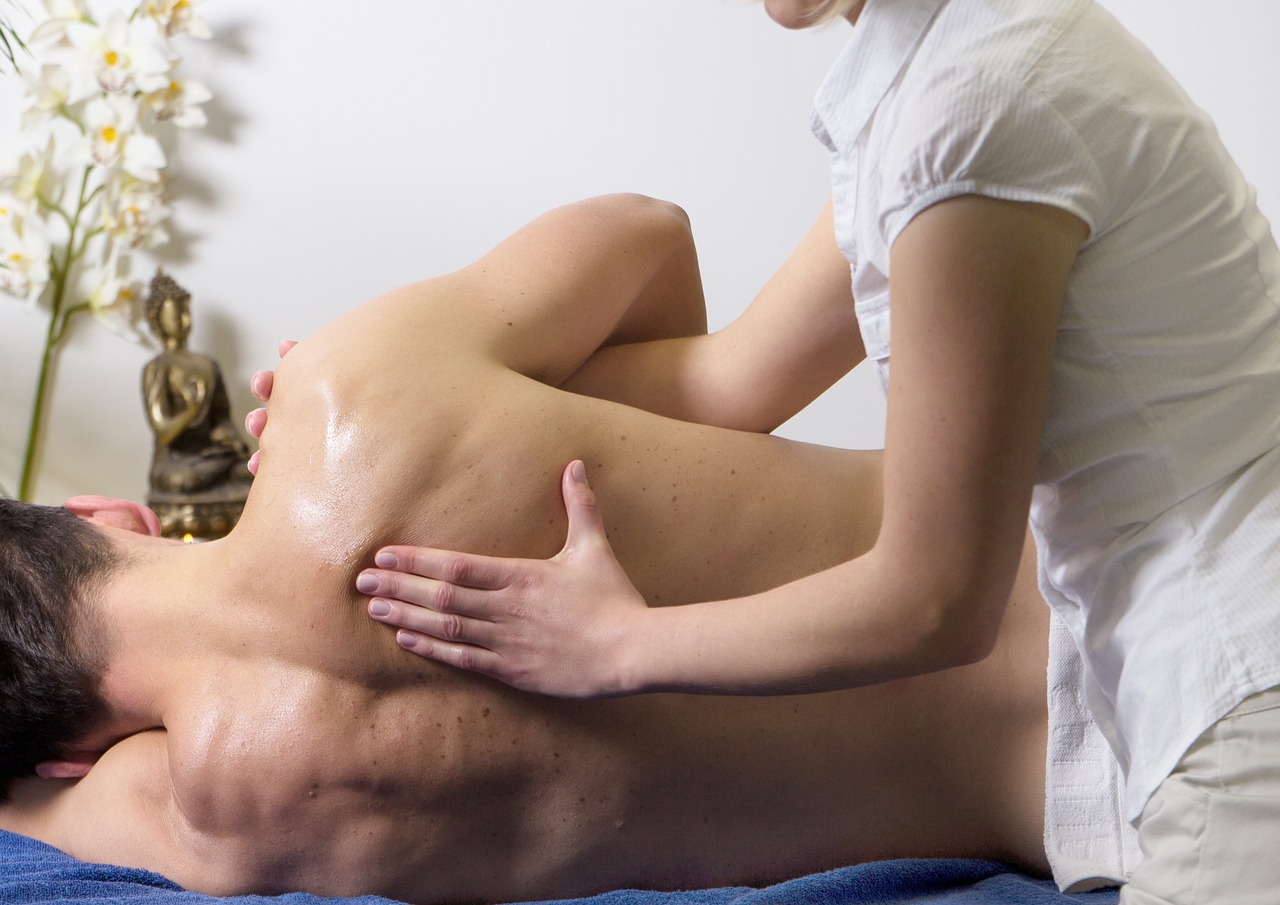
In recent times, athletes have discovered that self-massage can be equally effective as professional sports massage. Self-massage techniques help alleviate muscle soreness and enhance flexibility. These methods can improve overall performance while also reducing injury risks. Learning and practicing self-massage techniques can save both time and money, as a regular sports massage may not always be feasible. Individuals can easily apply these techniques at home after workouts. By using self-massage, one can develop a deeper mind-body connection. This article highlights several effective self-massage techniques that borrow from professional sports massage strategies. First, it is important to understand the body’s muscle groups and how they respond to pressure. Implementing proper techniques will maximize benefits and prevent injuries. Prior to engaging in self-massage, one should ensure the environment is conducive to relaxation. Ideally, select a calm and quiet space, perhaps with soft music. Warm-up your muscles with gentle stretching exercises to prepare for deeper massage work. Always remember to hydrate properly after self-massage sessions, as this aids recovery. Lastly, keep a consistent routine for best results and optimal performance in sports.
One popular self-massage technique involves using a foam roller. This tool is excellent for myofascial release, helping to loosen tight muscles and improve blood flow. Start by selecting the area targeted for massage, such as your quadriceps or IT band. Begin with gentle pressure, rolling slowly over the muscle group for approximately 30 seconds to one minute. Focus on any particular knot or tight area, applying slightly more pressure as tolerated. Foamy rollers come in various densities, ranging from soft to firm. This means users can select the roller that best suits their comfort levels. Ensure to breathe deeply to promote relaxation while rolling. Another effective method is utilizing massage balls for deeper tissue work. A tennis ball or lacrosse ball can pinpoint specific tight spots, especially in the shoulders, calves, and feet. Place the ball directly on a knot, and gently apply pressure while rolling back and forth. Hold pressure for a few seconds on these tight spots to allow muscle fibers to release tension. Both foam rolling and targeted ball massage can significantly enhance athletic performance and overall well-being.
Using Your Hands for Self-Massage
Hand techniques can also provide an effective self-massage experience. You don’t need specialized equipment; your hands can achieve a lot with just simple techniques. First, find a comfortable seated position, and begin with your hands. Use your thumbs to apply pressure to the base of the fingers, gradually working through each digit. You can also employ circular motions with your palms, moving across your forearms and shoulders. Focus on any sensitive areas, allowing your muscles to relax fully. Using your palms, apply soothing strokes down your arms towards your wrists. Incorporating knuckle pressure can also help relieve muscle tension significantly. Pay special attention to your traps and neck, as they often bear the brunt of stress and strain. Gently kneading these areas with your fingers can yield fantastic results. Combine different pressures for varied effects, making sure to listen to your body. Self-massage is not a one-size-fits-all process; instead, tailor it according to your needs. Running your hand in slow motions can enhance relaxation and help connect mentally with your body while promoting recovery and flexibility.
Stretching while engaging in self-massage creates a synergistic effect. As you massage one area, incorporate gentle stretches to enhance flexibility. For example, while massaging your hamstrings, sit with one leg extended and reach towards your toes. This method allows deeper muscle relaxation and also loosens surrounding tissues. When focusing on the back, combine self-massage with a gentle twist of the torso. Utilize a chair for support while lightly massaging your lower back, leading to a release in tightness. Incorporating passive stretching methods can amplify results while performing self-massage techniques. It’s effective to perform self-massage on rest days, as it enhances recovery. Active rest is essential for muscle restoration and benefits from increased blood flow following self-massage. Start with the lower body, working progressively to your upper body, keeping movements fluid. Use slow, purposeful strokes rather than quick motions. Following a targeted self-massage, spend time relaxing on a comfortable surface or yoga mat. Engage in breathing techniques during this down-time to help relax your mind and body further, enhancing recovery tactics essential for athletes and active individuals.
Enhancing Your Self-Care Routine
To foster a successful self-massage habit, consider establishing a dedicated schedule. Incorporating massage sessions into your routine will emphasize the importance of self-care. Regular massage, even if brief, can lead to significant improvements in muscle recovery and overall wellness. Aim for specific days during the week to engage in these practices. Develop a duration that caters to your body’s needs. Whether dedicating 10 minutes after workouts or longer sessions on rest days, establish consistency. Completing your routine with specific music or relaxation techniques may help you enter a mindfulness state. Being aware of your body’s responses to massage can lead to better decision-making regarding pressure and technique. Since muscle soreness and tightness vary, frequent evaluation is essential. As you incorporate self-massage into your routine, keep a journal tracking the differences in your performance and recovery times. This habit can reveal how self-care promotes health and well-being. Additionally, explore other self-massage modalities like hot stone therapy, which can add variations to your routine. Always remember that the goal of self-massage is to support overall performance while prioritizing that essential connection between mind and body.
When engaging in self-massage, be mindful of the pressure applied. It’s crucial to strike a balance, as excessive pressure can result in bruising or aggravation. Instead, focus on controlled, gentle pressure to stimulate healing effectively. Experiment with different techniques to find what feels comfortable for each muscle group. Individual preferences may vary; what works well for one person might not resonate with another. Listen to your body and respond accordingly. Moreover, exploring additional techniques like skin rolling, in which you gently lift the skin, can yield beneficial results for muscle recovery. This technique helps improve circulation, leading to enhanced nutrient delivery to muscles. Furthermore, essential oils can enhance the self-massage experience, particularly for relaxation. Incorporating oils like lavender or peppermint may promote enhanced relaxation and quickly energize your spirit. Look for high-quality oils and be sure to perform a patch test to avoid skin allergies. As you enjoy self-massage, consider sharing your discoveries with fellow athletes or friends who may benefit. Promote the practices that helped you improve your performance, demonstrating the value of taking care of your muscles.
Conclusion: Optimize Your Performance
In conclusion, self-massage techniques inspired by sports massage practices can significantly enhance athlete performance. With effective application, individuals can target muscle soreness while improving flexibility and saving time. By understanding body mechanics and using effective methods, athletes ensure a robust recovery environment. Techniques such as foam rolling, and using your hands, all cater to varying areas of discomfort. Furthermore, engaging in stretches while self-massaging allows for an even greater benefit to muscle recovery. Establishing a consistent practice ensures that self-care becomes an integral part of daily routines. Not only does self-massage foster recovery, but it also contributes to overall well-being. Incorporate what you’ve learned into your routine, discovering the techniques that resonate best with your needs. Share self-massage techniques within your sporting community to help others benefit as well. Optimizing your performance is just as essential as training your muscles. Essential routines can lead to improved outcomes both physically and mentally. Consistent practice will yield the best results, allowing you to achieve your athletic goals through effective self-care strategies that maintain a healthy body.
Emphasizing a holistic approach will help improve sports performance. As you explore and modify your self-massage routine, prioritize practicing safety and comfort above all. Addressing muscle tension before it escalates is crucial. Self-massage techniques provide the perfect foundation for maintaining a comprehensive self-care regime. So, embrace this affordable option while emphasizing the importance of your physical health. Remember to celebrate small achievements along your self-massage journey, noting improvements in physical performance. With adequate practice and consistency, the potential benefits are vast. Incorporating both guided and personal techniques can help establish a customized self-care routine. This empowerment enables athletes to actively manage their physical prevalence persistently. As techniques develop, so will awareness of muscle responses and needs during workouts. Stay in tune with your body’s signals. Foster a supportive environment to facilitate successful self-massage techniques. A dedicated corner or area of tranquility may enhance personal practices further. There exists an intimate connection between self-massage and mental recovery, which shouldn’t be overlooked. Strengthening this bond will help you achieve athletic success, guiding you toward optimal performance achievements while achieving desired sports goals.