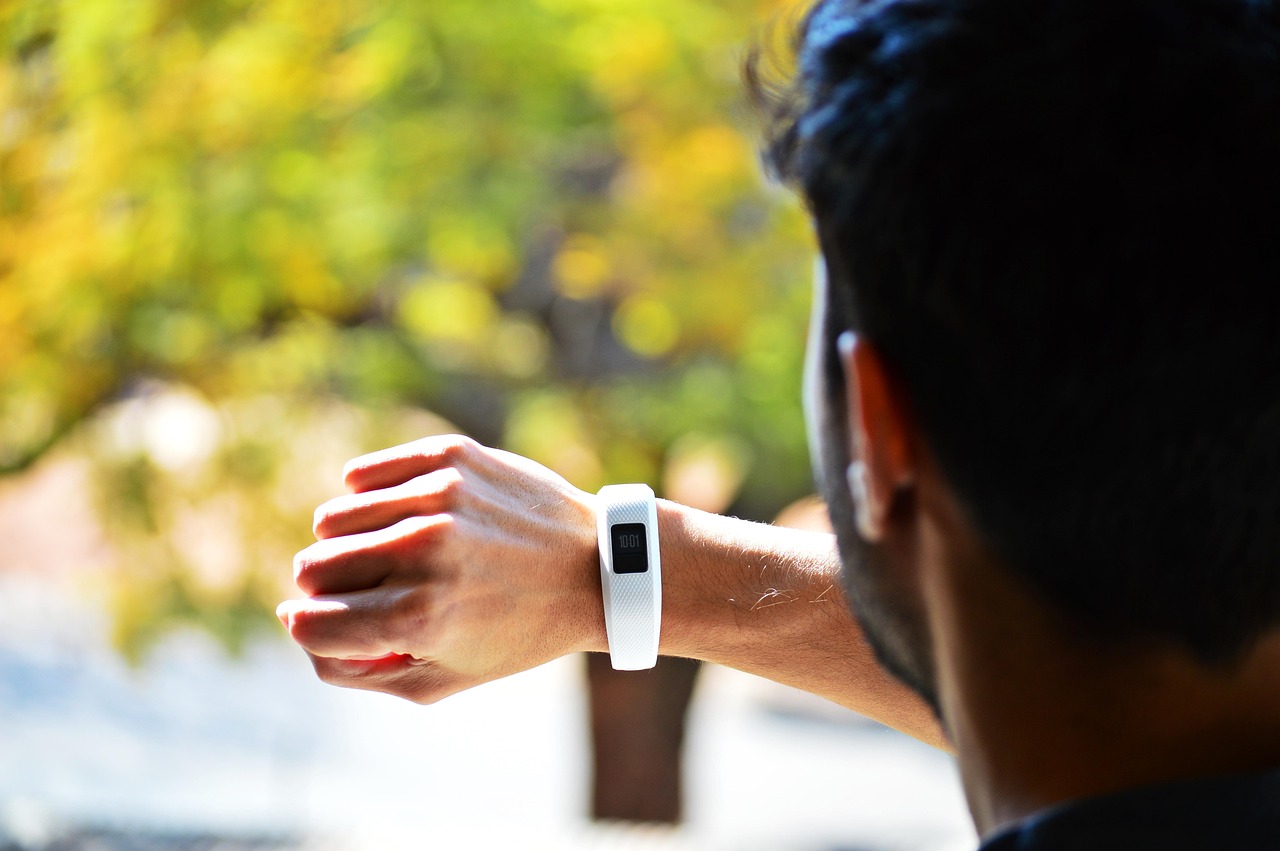

Revolutionizing Chronic Disease Management Through Fitness Tracking Devices
The advent of modern technology has brought significant shifts in healthcare, particularly for individuals facing chronic diseases. Devices aimed at fitness tracking represent a critical innovation in the continual management of these conditions. These devices facilitate monitoring biological parameters, such as heart rate and activity levels, allowing users to gain insights into their health trends. With personalized data, patients can tailor their exercise regimens to their specific needs, enhancing overall wellness and management of chronic diseases. Leading brands have produced user-friendly devices that seamlessly integrate with mobile applications, providing a platform for continuous health tracking. This feature empowers users by turning data into actionable insights for more effective disease management. Furthermore, fitness tracking devices encourage a proactive approach to health, fostering improved lifestyle choices among users. The ability to set goals and receive real-time feedback motivates consistent engagement in fitness activities. Consequently, various research studies highlight a direct correlation between the use of these devices and improved health outcomes for patients with long-term health issues. These advances showcase the potential of technology in promoting healthier behaviors and improved disease management.
Benefits of Fitness Tracking Devices
Among the numerous advantages attributed to fitness tracking devices, improved adherence to treatment plans stands out. Chronic disease patients often struggle with maintaining medication schedules or adhering to exercise regimens. However, incorporating fitness trackers can enhance engagement by offering reminders and motivational feedback. As research shows, patients who use these devices tend to report higher levels of physical activity. Additionally, these fitness trackers can significantly help in symptom monitoring and management through accumulated data. Chronic disease management often involves various health professionals, and having consolidated data accessible across platforms can enhance collaborative care. Healthcare providers gain critical insights into a patient’s activity levels and compliance, allowing for more tailored recommendations. A typical fitness tracker will monitor parameters such as steps taken, sleep patterns, and caloric intake, which are vital for managing chronic diseases like diabetes, hypertension, and heart disease. This wealth of data informs healthcare decisions and promotes better outcomes. Importantly, the ability to share data with healthcare providers fosters transparency and fosters a more interactive patient-provider relationship which ultimately enhances the overall quality of care.
The ability to analyze data collected through fitness trackers aids in identifying trends that are pertinent to individual health. For instance, patients with chronic respiratory conditions can measure their activity levels, relate them to respiratory health, and adjust activities according to their symptoms. This ability to track changes over time empowers users to understand their health better. As these devices evolve, advanced features, such as ECG monitoring and blood oxygen level measurement, are becoming increasingly common. This evolution signifies a shift towards more holistic and detailed health monitoring for patients. Moreover, user-friendly interfaces ensure patients of all ages can utilize these devices. Educational content tied to fitness trackers can guide users on how to interpret their health data effectively. As studies illustrate, they foster not only physical fitness but mental well-being as well, encouraging a holistic approach to chronic disease management. The incorporation of gamification features, where users can earn rewards for achieving fitness milestones, serves to increase compliance. Incorporating community links with other users also promotes social interaction, further motivating individuals to commit to their fitness journeys.
Challenges in Implementation
Despite the evident benefits of fitness tracking devices, they present certain challenges that must be considered for widespread adoption. Chief among these challenges is the accessibility of technology for varying demographics. There remains a significant gap in technology access among older adults or lower-income individuals, impacting their ability to benefit from these innovations. Additionally, data privacy concerns present hurdles, with patients wary of how their personal health information might be used or shared. Assurances regarding data protection are crucial to encourage patients to engage fully with these devices. Technical literacy can also be a formidable barrier; some patients may find it challenging to navigate device functionalities or interpret analytics provided through associated applications. These aspects can lead to underutilization and missed opportunities for improving health outcomes. Moreover, while evidence supports the efficacy of fitness trackers, further rigorous research is required to establish standardized protocols for using these devices effectively in chronic disease management. For developers and healthcare providers, addressing these issues is essential to ensure that innovations translate into real-world benefits for all patients facing chronic diseases.
Healthcare professionals must adapt to utilize fitness tracking data most effectively within patient care strategies. While devices provide a wealth of information, inadequate clinician training on interpreting this data can limit their potential benefits. Continuous education around these technologies can empower healthcare providers to maximize the value derived from the insights that patients present. Implementing a system to integrate data from fitness trackers into electronic health records would enhance healthcare delivery’s seamlessness. A critical challenge remains in identifying the appropriate clinical guidelines specific to fitness tracker data utilization in chronic disease management. Research plays a vital role in addressing these gaps; studies examining the multifaceted impacts of fitness tracker data on health outcomes are necessary for establishing effective guidelines. Ultimately, as healthcare systems continue to evolve with technology, an integrated approach involving collaboration between technology developers, patients, and providers is imperative. This collaborative effort will enhance chronic disease management outcomes derived from fitness tracking technology. Such synergies will undoubtedly lead to richer user experiences and improved patient outcomes.
The Future of Fitness Tracking Technology
Moving forward, the future of fitness tracking technology appears promising, particularly in the context of chronic disease management. Advances in artificial intelligence and machine learning will likely enable fitness devices to offer even more personalized insights into health. These developments can revolutionize how individuals manage chronic diseases, tailoring recommendations based on real-time data and user behavior patterns. Incorporating smart sensors within wearable devices has the potential to monitor multiple health parameters concurrently, giving a comprehensive understanding of daily health. Furthermore, establishing connectivity will allow for easy data sharing between devices and healthcare systems. Such integration can facilitate real-time monitoring and immediate interventions when needed. Future research must continue investigating how fitness tracking technology can synergistically operate with existing medical treatments. Understanding its role within the broader healthcare landscape will assist in fine-tuning usage protocols that enhance the management of chronic conditions. Ultimately, a paradigm shift toward integrating fitness tracking technology into routine healthcare practices may fundamentally reshape chronic disease management. This approach aims to not only improve clinical outcomes but also empower users, making them active participants in their health journeys.
In conclusion, fitness tracking devices represent a groundbreaking shift in managing chronic diseases effectively. With their ability to promote patient engagement, provide critical data, and foster interactive healthcare experiences, these devices can significantly enhance wellness. As outlined, numerous benefits stem from the integration of fitness technology into health management strategies. From improving adherence to transforming insights into actionable health goals, the potential for positive impacts is tremendous. However, addressing challenges such as accessibility, privacy concerns, and clinician training remains paramount. By tackling these challenges head-on, stakeholders can foster an ecosystem conducive to effective chronic disease management. The continued evolution of fitness tracking technology alongside healthcare practices will yield exciting opportunities for innovation in patient care. As we move forward, collaboration among technology developers, healthcare professionals, and patients will be critical to achieving equitable access to such devices. The ultimate goal is a future where chronic disease management is proactive, personalized, and patient-centered, leading to healthier lives for millions. Together, we can leverage technology’s potential, revolutionizing the currently fragmented healthcare landscape while empowering individuals on their health journeys.
Conclusion
In conclusion, fitness tracking devices represent a groundbreaking shift in managing chronic diseases effectively. With their ability to promote patient engagement, provide critical data, and foster interactive healthcare experiences, these devices can significantly enhance wellness. As outlined, numerous benefits stem from the integration of fitness technology into health management strategies. From improving adherence to transforming insights into actionable health goals, the potential for positive impacts is tremendous. However, addressing challenges such as accessibility, privacy concerns, and clinician training remains paramount. By tackling these challenges head-on, stakeholders can foster an ecosystem conducive to effective chronic disease management. The continued evolution of fitness tracking technology alongside healthcare practices will yield exciting opportunities for innovation in patient care. As we move forward, collaboration among technology developers, healthcare professionals, and patients will be critical to achieving equitable access to such devices. The ultimate goal is a future where chronic disease management is proactive, personalized, and patient-centered, leading to healthier lives for millions. Together, we can leverage technology’s potential, revolutionizing the currently fragmented healthcare landscape while empowering individuals on their health journeys.