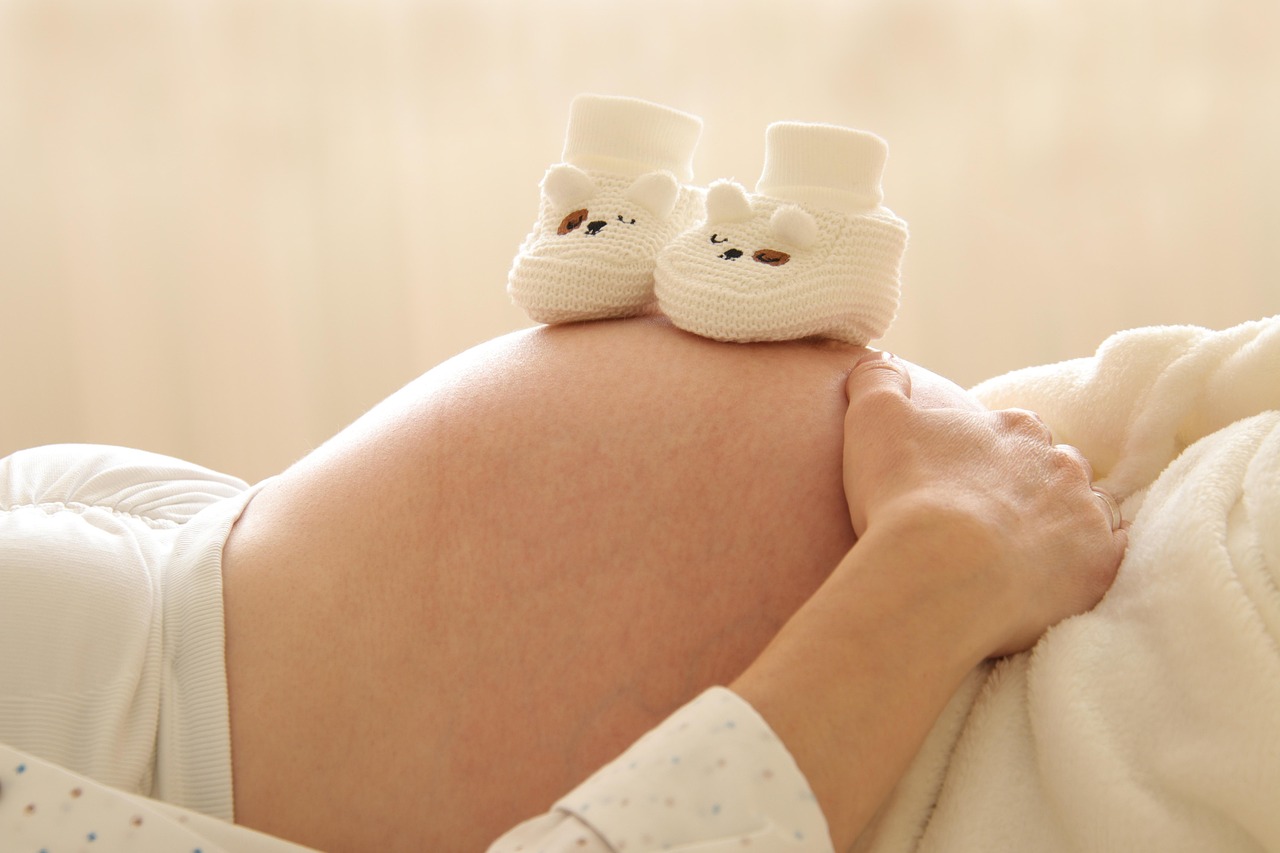

Pregnancy and Heavy Metal Detox: Safety Considerations
Pregnancy is a crucial time for both the mother and developing fetus, necessitating careful choices regarding diet and detox. Heavy metal exposure can have negative health effects, making detoxing appealing. However, expectant mothers often question the safety of detox methods during pregnancy. It’s vital to approach any detox plan with caution. While the body naturally eliminates some heavy metals, the removal process may be disrupted during pregnancy. Therefore, straightforward dietary changes or natural supplements are typically sufficient for supporting detoxification. Pregnant women should avoid aggressive detox diets to prevent potential risks to the fetus. Such diets may contain herbal ingredients that have unknown effects on pregnant women, which could trigger adverse reactions. Consult healthcare professionals for personalized advice before starting any detox regimen. Additionally, a nutritious, well-balanced diet contributes to minimizing the effects of toxins. Consuming organic foods when possible can reduce pesticide exposure. Prioritizing hydration aids the body in flushing out toxins. Ultimately, the goal is to ensure both mother and baby are safe and healthy, maintaining balance and stability throughout the pregnancy journey. Understanding the importance of safety during detox is essential in promoting maternal and fetal wellbeing.
Heavy metals like lead, mercury, and cadmium pose risks during pregnancy. They can affect fetal development, leading to potential health issues. This concern has led many women to seek detox options while pregnant. Awareness of heavy metal sources is crucial. Common sources include contaminated food, water, and even certain cosmetics. Reducing exposure to these sources is often considered a safer approach than detox regimens. Incorporating certain foods can naturally support the body in eliminating heavy metals. Foods rich in vitamins C and E, along with fiber, may help combat the effects of toxins. Consuming foods such as leafy greens, berries, and nuts can also enhance the body’s natural detox abilities. Additionally, drinking plenty of water supports kidney function, aiding in detoxification. Expecting mothers should focus on wholesome, nutrient-dense foods. It’s advisable to limit processed foods, which often contain high levels of additives and preservatives. Maintaining a balanced diet can effectively minimize exposure without risking the mother’s or baby’s health. Moreover, exploring gentle detox practices such as light exercise and stress management can further enhance overall wellbeing throughout pregnancy.
Consulting Healthcare Providers
Before considering any detox method, pregnant women should consult their healthcare provider. Medical professionals can provide customized recommendations based on individual health status. Each pregnancy is distinct, and what works for one person may not suit another. Discussions about detoxing should include potential risks and benefits. A healthcare provider may recommend safe dietary changes or specific supplements if necessary. Regular check-ups can be instrumental in monitoring both the mother’s and baby’s health during this period. Doctors can evaluate heavy metal exposure through appropriate tests, recommending further steps if needed. Recognizing signs of exposure is important; symptoms may include fatigue and digestive issues. Early intervention is crucial for both mother and child. Additionally, healthcare providers may suggest referrals to nutritionists specializing in prenatal care. A nutritionist can craft a personalized dietary plan. This plan can prioritize both detoxification and nutritional needs, ensuring a comprehensive approach. Remembering that not all detox methods are beneficial, professional guidance is indispensable in navigating this sensitive aspect of health. Ultimately, the goal is to promote a safe, healthy pregnancy while staying informed of potential health risks associated with heavy metals.
Stress levels can also influence toxin accumulation in the body. Pregnant women may experience heightened stress, which can further complicate detoxification efforts. Thus, using stress management techniques can complement a healthy lifestyle during pregnancy. Practices such as yoga, deep breathing, and meditation foster physical and mental balance. Engaging in gentle exercise can enhance circulation, which may support detoxification processes. Women shouldn’t undergo high-intensity workouts but can opt for more restorative activities. Walking and prenatal yoga, for example, can be beneficial. Creating a nurturing environment also eases anxiety, positively impacting overall health. Women should prioritize self-care routines that nurture both body and mind. Adequate rest is equally essential; sleep allows the body to rejuvenate and recover. Avoiding caffeine and limiting sugar intake may also help maintain stable energy levels. Seeking support from friends and family strengthens emotional wellbeing during this pivotal time. Connecting with other expecting mothers furthermore provides shared experiences and emotional relief. Staying connected while focusing on self-care helps improve overall resilience throughout pregnancy. Ultimately, adopting a balanced approach by managing stress while remaining cautious about detoxing can significantly enhance both maternal and fetal health.
Natural Detox Alternatives
For pregnant women seeking detox methods, natural alternatives often prove effective and safe. The focus should be on gentle practices that support the body’s natural abilities rather than aggressive detox diets. Herbal teas, such as ginger or peppermint tea, may help soothe digestive discomfort often experienced during pregnancy. Additionally, incorporating detox-friendly foods like garlic and onions can promote liver health. These foods contain compounds that help the body expel toxins naturally. Broccoli and other cruciferous vegetables have similar properties, making them excellent additions to a pregnancy diet. Increasing fruit intake also supports detoxification due to their fiber content. Bananas, apples, and citrus fruits are particularly beneficial. Hydration must remain a top priority; drinking water and herbal infusions keeps the body functioning optimally. If nausea affects water intake, consuming coconut water may provide electrolytes while alleviating stomach discomfort. Even light consumption of lemon water may aid digestion and detox processes. Maintaining a healthy fluid intake keeps the body efficient in filtering out heavy metals and other toxins. Overall, the focus should be on balanced nutrition, hydration, and gentle practices that naturally support detoxification and the overall health of mother and baby.
It’s crucial to remain informed about potential heavy metal exposures. Various industries might expose individuals to these toxic substances. Pregnant women working in high-risk environments should take extra precautions. Occupations in mining, manufacturing, or even some healthcare roles may entail greater exposure to metals. Wearing protective gear and following safety protocols can mitigate these risks. Additionally, keeping education and awareness about environmental factors high is vital. Pregnant women should educate themselves about local environmental contaminants, especially in water and soil. Participating in community health programs can offer insights into local pollution levels and sources. This knowledge can empower mothers to advocate for themselves and their children. Foods sourced from organic farms and reputable suppliers can significantly reduce contamination risks. Involving one’s family in discussions about health and safety can foster a supportive environment. This healthy dialogue ensures shared responsibility toward maintaining detoxification efforts. Finding community support enhances education and encourages positive practices that align with detox goals. By advocating for safe practices, women can mitigate the potential impacts of heavy metals on their health and that of their developing babies, promoting a healthier future.
Conclusion: A Balanced Approach
Maintaining a balanced approach toward health during pregnancy is essential, especially when considering detoxification strategies for heavy metals. Each decision should involve careful consideration, professional advice, and a focus on nutritional adequacy. Pregnant women who wish to detox should prioritize natural methods over aggressive diets. Emphasizing a nutrient-dense diet supports the body’s detoxification capabilities. The health of both mother and baby is paramount, requiring adjustments based on individual circumstances. Knowledge about safe practices and potential risks enhances informed decision-making. Regular healthcare consultations ensure ongoing support and monitoring throughout pregnancy. Detox implications are complex; therefore, remaining cautious, informed, and proactive is vital. A supportive community can likewise provide the emotional and practical backing needed during this transformative period. Rediscovering the power of nature through wholesome foods can contribute significantly to both health and wellness. Ultimately, fostering a holistic and balanced lifestyle benefits the entire pregnancy journey. By focusing on education, nutrition, stress management, and support, expecting mothers can navigate this period gracefully, ensuring optimal conditions for themselves and their babies. Promoting health during pregnancy requires a collaborative approach where knowledge, care, and balance all play critical roles.
In summary, the conscious decisions that pregnant women make concerning detoxification are paramount for the health and safety of themselves and their developing babies. Given the complexities surrounding heavy metal exposure and its impact, maintaining a thoughtful and measured approach is essential. Combining nutritious foods, hydration, and gentle detox methods may yield the best outcomes. Regular consultations with healthcare providers facilitate informed choices. Each step taken towards understanding heavy metals and their effects contributes to empowering mothers for healthy pregnancies. Ultimately, focusing on a nutritional, balanced approach during this critical time ensures a positive outcome for both mother and child. Ensuring awareness about detox methods alongside traditional healthcare creates an informed path toward wellbeing.