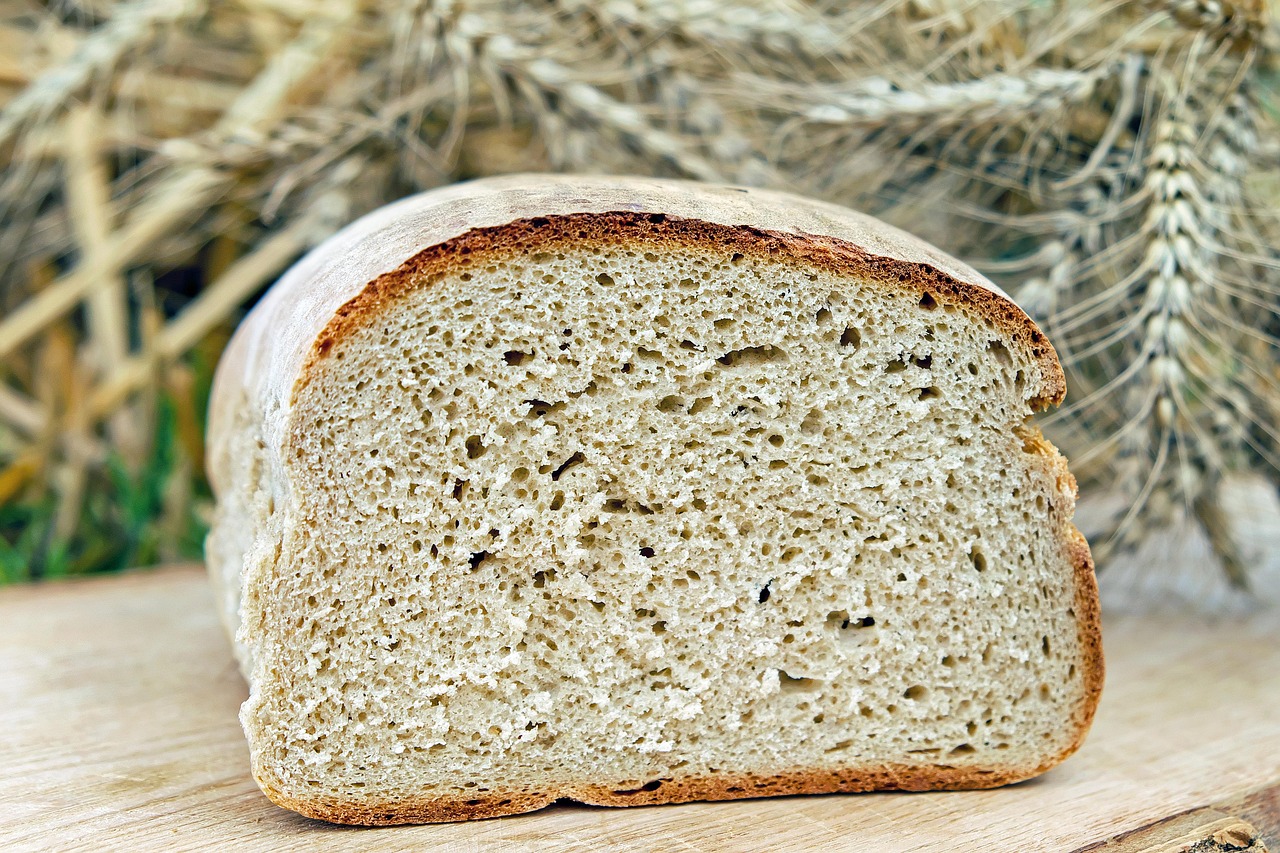

Low-Sodium Baked Goods: Tips and Tricks for Healthier Treats
Incorporating low-sodium options into baked goods doesn’t need to be challenging. Start by familiarizing yourself with sodium substitutes that maintain flavor and texture. Ingredients like vinegar or lemon juice can enhance the taste profile without adding sodium. Furthermore, consider using herbs and spices for seasoning rather than salt. Think about options such as cinnamon, ginger, or nutmeg to give baked items a satisfying kick. When selecting ingredients, ensure to read labels, as packaged items often contain hidden sodium. Replace traditional baking soda and baking powder with salt-free versions. They offer the necessary lift while keeping the sodium levels down. Prioritize fresh ingredients as much as possible, as they are less likely to contain added preservatives that contain sodium. Experiment with more whole grains such as oats and whole wheat flour, which not only promote better health but also enhance taste. Lastly, be mindful of portion sizes. Smaller servings mean naturally lower sodium consumption, allowing for occasional indulgences.
Choosing the Right Flour for Low-Sodium Baking
When embarking on low-sodium baking, flour selection can significantly impact the final outcome. Whole grain flours, such as whole wheat or spelt flour, possess unique flavors and provide added nutrients. They typically have lower sodium levels compared to refined flours. Additionally, trying out almond flour or oat flour can provide a gluten-free alternative while being low in sodium. These flours each bring their distinct flavors and textures, enriching your baked goods. Don’t hesitate to blend different flours to create a balanced flavor profile; this can replicate the taste you love while keeping sodium in check. Remember that adjusting hydration is essential when changing flour types since different flours absorb liquid differently. For instance, almond flour may require additional moisture to prevent a dry finish. Always measure accurately in terms of weight to facilitate consistent outcomes. Adjusting baking times may become necessary as well, leading to perfectly baked goods regardless of the flour brand. Don’t forget that the right flour choice can significantly enhance the nutritional value in your treats as well.
Sweeteners are a major component of baked goods, and choosing low-sodium options doesn’t mean sacrificing sweetness. Natural sweeteners, such as honey or maple syrup, can lend complexity to flavors without added sodium. Furthermore, stevia and other non-caloric sweeteners can also lead to delectable results while keeping the sodium levels low. When substituting sugar with sweetness, always consider the conversion ratios to ensure your baked goods achieve that sweet satisfaction. While experimenting with flavors, consider incorporating fruits or even fruit purees. Ground dates, mashed bananas, or applesauce can introduce moisture and sweetness. Remember, however, that adjustments to baking times may be necessary due to the added moisture content. Keep in mind the natural flavors of your baked goods; they often shine when sodium is reduced. As another point of consideration, lowering sugar content alongside sodium can lead to healthier options. While focusing on sweet components of your recipes, maintain a balance with other ingredients, enhancing overall taste with minimal sodium buildup.
Utilizing Healthy Fats When Baking
The choice of fats can play an influential role in low-sodium baking. Traditional recipes often utilize butter or margarine, but alternatives such as avocado or unsweetened applesauce can maintain moisture levels while reducing sodium. Incorporating natural fats like olive oil or coconut oil can elevate flavors. When measuring these alternatives, understand that they can have different properties compared to butter; for example, oil can create a denser texture. Try using these substitutes in combination with whole grain flours for healthier results. Explore combinations that balance sweetness and fat content for best outcomes. Additionally, keep in mind the proportion of fats in your recipes. While reducing or swapping fats, maintain structural integrity, and adjust liquid components accordingly. The right fat also influences the spread, crust, and overall mouthfeel, making mindful choices essential. Don’t shy away from experimenting with nut butters, they provide flavor richness and healthy nutrients too. With careful substitution and adjustments to technique, you can produce baked goods appealing in taste while containing minimal sodium.
Another crucial area when baking low-sodium goods is the rising agents you select. Conventional baking soda often contains sodium, so consider alternatives like potassium bicarbonate. This option performs fabulously, raising goods without the sodium content. Similarly, ensure any baking powder you choose is labeled as sodium-free or low-sodium. Creating your own baking powder substitute can also be a function of other ingredients. A mixture of cream of tartar with potassium bicarbonate can serve as an effective leavening in your recipes. Keep in mind, proper ingredient ratios are essential to prevent dense products. Another option might involve whipped egg whites, offering an airy burst every time. The method can elevate cakes and cookies exceptionally when executed well. For items such as muffins or quick breads, mixing dry and wet ingredients carefully helps maintain fluffiness. Timing of mixing plus baking affects the final product’s consistency. Following these guidelines while implementing rising agents ensures your baked products are both delightful and low in sodium.
Flavor Additions for Low-Sodium Baked Goods
Enhancing flavors without the presence of sodium is possible, and an exciting venture for bakers! Integrating flavor boosters like extracts and spices can outweigh the absence of salt. For example, vanilla or almond extract can bring out sweetness with no sodium content. Ingredients like zests from lemons or limes inspire freshness, and balancing flavors encourages complimentary tastes to emerge in baked goods. Not only can these elements replace the sodium, but they can also lighten up sweetness levels. Give roasted nuts or seeds a try; when crushed, they add a delicious crunch along with nutritional benefits to your treats. Incorporate items like unsweetened cocoa powder and spices to create richness. Flavors can drastically transform recipes and keep the excitement in healthy alternatives without added salt. Set aside a few minutes to experiment with various combinations to find the perfect flavor balance. Each iteration can advance your skill level, creating opportunities to surprise taste buds. Finally, document your findings; tracking progress helps with refining personal favorites.
Last but not least, mastering the presentation of your low-sodium baked goods can truly make the experience memorable. Neat and attractive presentation not only enhances appeal but encourages mindful consumption. Thoughtfully arranging pastries and treats on a plate or in a container can elevate a simple dessert experience. Consider garnishing with fresh fruits or edible flowers to create visual charm while adding natural flavors. Creativity through drizzles of chocolate or yogurt can also widen flavor choices while keeping sodium to a minimum. Additionally, educational posts can accompany your baked goods; sharing sodium info assists consumers in making healthier choices. Remember that visuals play a role in perception, and beautiful presentations encourage enjoying foods mindfully. Be daring; create themes for your baked goods that resonate with seasonal offerings. Each themed batch provides a unique canvas and experience. Visual identity and taste harmoniously tell a story, especially important for healthier alternatives. Despite any challenges, creating delightful low-sodium baked goods remains rewarding, yielding delicious results with every effort.
Ultimately, embarking on the journey of low-sodium baked goods promotes a healthier lifestyle while allowing creativity to flourish. As you implement various substitutions and ingredient combinations, know that practice fosters improvement. Be patient with your choices, and remember that each baked good offers possibilities for enhancement. Taste testing is crucial; evaluating each iteration leads to great learning moments and flavor discovery. Keep up with research on healthy baking practices, ensuring awareness of the evolving trends in nutrition. Discovering new techniques or ingredient options can inspire fresh ideas, shifting familiar recipes into healthier avenues. Thanks to an increasing number of resources, the community of healthy bakers continues to expand. Sharing experiences, recipes, and tips with fellow bakers generates excitement; it helps bridge gaps between taste and health. Make it a goal to share how you navigate low-sodium baking with friends and family. With a supportive network, overcoming baking obstacles becomes significantly easier. In conclusion, engage fully with the process and enjoy creating low-sodium baked goods that satisfy both taste and health preferences. After all, baking remains a beautiful blend of science and art, offering endless opportunities for discovery.