
Incorporating Functional Movement Patterns into Your Workout Routine
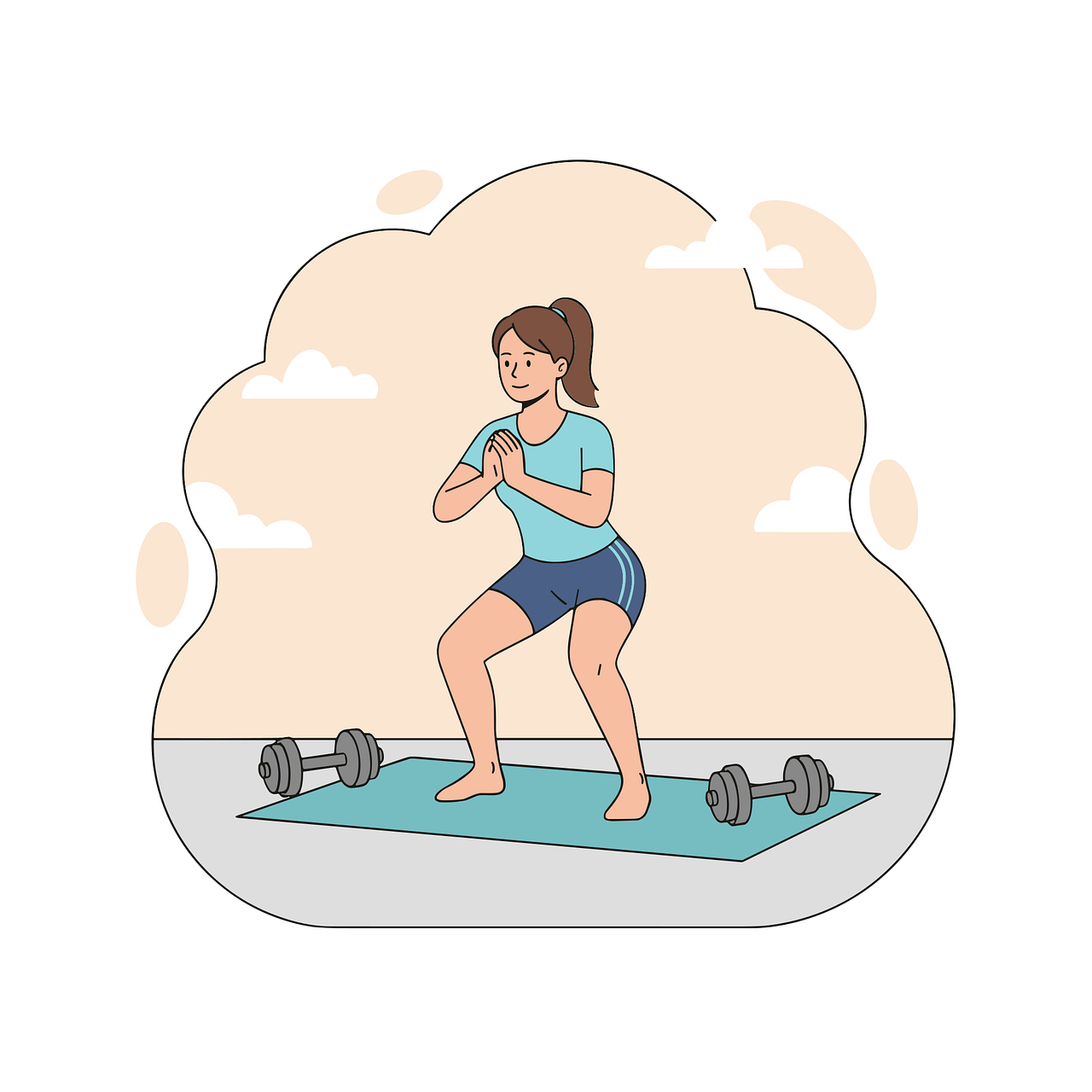
Incorporating functional movement patterns into your workout routine enhances overall performance, improves strength, and builds flexibility. These patterns mimic daily movements we naturally perform, such as bending, squatting, and lifting. Unlike traditional weight lifting that isolates specific muscles, functional training integrates multiple muscle groups, promoting synergy throughout the body. This holistic approach not only increases efficiency but significantly reduces the risk of injury in both casual workouts and sports activities. Placing emphasis on core stability allows for enhanced balance, making everyday tasks less strenuous. Furthermore, functional movement patterns cater to all fitness levels, allowing beginners to familiarize themselves with basic movements while offering advanced athletes versatile means to challenge themselves. Examples of functional exercises include squats, lunges, push-ups, and kettlebell swings. Also, incorporating resistance bands and stability balls into workouts amplifies their effectiveness. They help activate the core and encourage muscle engagement. Before embedding these patterns into routines, it’s vital to concentrate on form, ensuring safe execution to attain maximum benefits. A properly executed functional movement routine can lead to remarkable improvements in quality of life in and out of the gym, steering individuals toward their fitness goals.
Prioritizing mobility is essential for successful incorporation of functional movement patterns. Mobility encompasses flexibility, stability, and range of motion in joints, allowing smoother transitions between movements. When integrating these patterns, it’s important to begin with warm-up exercises that specifically target key areas such as hips, shoulders, and ankles. Dynamic stretches like leg swings and arm circles prepare your body for a functional workout. Following the warm-up, begin with basic functional movements, ensuring good technique throughout. Focus on proper breathing patterns, which enhances core engagement and control. Additionally, gradually introduce more complex movements as you become familiar with basic patterns. Once good form and mechanics are established, consider adding weight or resistance to increase intensity. Transitioning to advanced exercises such as overhead squats or single-leg deadlifts challenges the body further, activating different muscle groups comprehensively. Moreover, consider functional tools like a balance board or foam roller to improve engagement and muscle activation during workouts. As strength and mobility improve, so will endurance, agility, and overall functional fitness, leading to better performance in both sports and daily activities. This progressive approach allows for gradual adaption and continued improvement.
Assessing Your Current Fitness Level
Before diving into functional movement patterns, it is crucial to assess your current fitness level. Understanding baseline ability allows you to tailor your training to match personal goals while ensuring safety. Begin by consulting with a fitness professional who can guide you through the assessment process. Key areas of assessment include strength, flexibility, stability, and endurance. Performing simple tests such as the squat test or the push-up test provides insight into current capabilities. Performing a basic movement screen can also highlight any limitations or imbalances in the body, allowing for targeted interventions. Utilize tools like the Functional Movement Screen (FMS) for a comprehensive overview of your functional mobility. Following the assessment, create a personalized exercise plan that focuses on enhancing weak areas while still challenging strong ones. Remember that progress may take time, and consistency is key. Regularly re-assess your fitness level to track your improvements and adjust your training accordingly. By frequently monitoring your progress, you can determine when to introduce advanced exercises or increase resistance. This tailored approach promotes an effective and sustainable transition into incorporating functional movement patterns into your routine.
Incorporating functional movement patterns into group classes can be incredibly beneficial. Working out with others fosters motivation, accountability, and social support, which can significantly enhance results. Design group classes that emphasize functional movements, ensuring that participants understand the importance of these exercises for daily activities and athletic performance. Start with warm-up exercises that prepare the body for movement, followed by a mixture of advanced and beginner functional movements suitable for various skill levels. For example, offer modifications for lunges depending on each participant’s fitness level to maintain inclusivity. Group leaders should focus on ensuring members perform exercises correctly, emphasizing the importance of form and mechanics to prevent injury. Utilize interval training techniques to keep participants engaged while building endurance simultaneously. Providing challenges such as timed circuits or team competitions can create a fun atmosphere, enticing more individuals to join. Tailor the intensity of classes based on the group’s overall fitness level to maximize their effectiveness continually. Incorporating these functional movements in a group setting can also lead to better social interaction among participants, allowing for an enjoyable, motivating, and successful fitness experience.
Creating a Balanced Workout Routine
A balanced workout routine incorporating functional movement patterns should cover various aspects of fitness. It’s essential to include strength training, flexibility, balance, and cardiovascular elements. A well-rounded routine begins with functional strength exercises such as kettlebell swings, deadlifts, and bodyweight squats. These movements lay a solid foundation, enhancing overall strength and stability. Following strength-building exercises, include flexibility routines such as yoga or targeted stretching sessions to promote increased range of motion and recovery. Regularly practicing these routines reduces the risk of muscle imbalances that can lead to injuries during functional activities. Next, add balance training to improve coordination and body control. Incorporating exercises like single-leg stands and stability ball work can significantly enhance this component. Finally, include cardiovascular conditioning to boost endurance, facilitating better performance during functional patterns. Activities like running, cycling, or climbing stairs support overall cardiovascular health. Aim to integrate functional movement patterns in most of these exercises, ensuring that routines remain challenging yet achievable. This balanced approach promotes holistic improvement in fitness, addressing all essential facets while preparing individuals for daily tasks and active lifestyles.
Adapting functional movement patterns for specific goals is a vital component of effective training. Individuals may have various objectives such as weight loss, strength gains, or improved athletic performance. Understanding one’s goals enables you to modify functional movements effectively. For instance, if an individual aims to increase strength, adding resistance to exercises like squats or deadlifts is beneficial. Conversely, if the primary goal focuses on weight loss, incorporating high-intensity interval training (HIIT) alongside functional movements can lead to greater calorie expenditure. In this case, circuits combining exercises such as burpees, kettlebell swings, and jump squats would be effective. Performance-focused goals may require a more sport-specific approach, integrating movements that replicate sport-related actions. For example, a basketball player might incorporate lateral lunges or medicine ball twists. Consideration of personal preferences and limitations is crucial, as exercises should feel enjoyable and comfortable to maintain adherence. Also, ensure that each workout includes a mix of functional movements to keep routines engaging. By adapting functional movement patterns to specific goals, individuals can maximize their training while directly relating to their desired outcomes.
Tracking Progress and Making Adjustments
Tracking progress is vital to ensure continued improvement and success while incorporating functional movement patterns into workouts. Maintaining a fitness journal or utilizing mobile applications can help facilitate this process, allowing individuals to log workouts, set goals, and track achievements over time. Recording personal bests, number of repetitions, and feelings of exertion during exercises provides insight into strengths and weaknesses. Periodically reviewing progress enables individuals to ascertain when adjustments to their routines are necessary. For those seeking improvement, consider drafting a training schedule that outlines specific objectives each week. This schedule can incorporate varied exercises targeting different functional movement patterns, preventing burnout from repetitive workouts. Furthermore, regular re-assessment every 4-6 weeks elucidates progression in strength, flexibility, and endurance while ensuring readiness for more advanced movements. It’s essential to listen to the body and adapt routines based on individual experiences. If fatigue or discomfort becomes evident, modifications may be needed to provide relief. Maintaining an open mindset towards feedback and making adjustments empowers individuals to continue growing in their functional fitness journey. Embracing this process leads to long-term success and greater overall satisfaction.
Incorporating functional movement patterns into your workout routine can yield profound benefits, contributing to overall physical well-being and vitality. Understanding this approach helps develop a practical, efficient, and fulfilling fitness experience. Implementing these functional patterns allows individuals to engage in versatile activities fundamental to daily living while significantly improving personal fitness levels. Overall, addressing mobility, strength, endurance, and balance through functional training translates seamlessly into improved performance in everyday tasks, athletic endeavors, and recreational activities. Building a strong community around these exercises can enhance motivation and provides support among participants. Remember that every fitness journey requires patience, adaptability, and commitment. Acknowledging the importance of adaptability ensures smoother transitions throughout the fitness process. Ultimately, a focused approach towards incorporating functional movement patterns creates an empowering environment for achieving personal fitness goals while enjoying more active lifestyles.