
How Smart Fitness Equipment Is Revolutionizing Home Workouts
The fitness equipment market has undergone a remarkable transformation over recent years, with smart devices leading the charge. Traditionally, home workouts involved basic tools such as dumbbells and resistance bands. However, today’s fitness enthusiasts have access to advanced machines that track progress and offer personalized workouts. Smart equipment, like interactive treadmills and connected ellipticals, provides users real-time feedback, which cultivates motivation and accountability. For instance, platforms like Peloton and Mirror have redefined workout experiences by blending technology with fitness. Their applications offer guidance from professional trainers, ensuring exercisers navigate their routines correctly. Furthermore, many of these devices sync with mobile applications, allowing users to set goals, monitor heart rates, track calories burned, and analyze workout data. These features not only enhance the workout experience but also provide valuable insights that encourage continuous improvement. The integration of technology within fitness is not just about convenience; it personalizes the journey, making fitness more engaging for users of all experience levels. Additionally, with the rise of virtual classes, smart equipment serves as a bridge for community interaction, keeping users motivated and connected.
The rise of home fitness solutions reflects changing consumer habits and increased demand for convenient exercise options. With the busy lifestyles many lead today, traditional gym settings often seem less appealing. People seek ways to maintain fitness routines that fit seamlessly into their schedules. This is where smart workout gadgets excel. Not only are they convenient, but they also create versatile environments for various exercises, enhancing engagement and catering to diverse fitness levels. Moreover, smart fitness equipment allows users to save time with at-home workouts, eliminating the need to commute. This is especially appealing amid the ongoing discussions surrounding health and safety in public spaces. As a result, various fitness brands have shifted focus towards offering innovative solutions. The incorporation of gamification elements into workouts further increases user engagement by making exercises feel less burdensome and more enjoyable. Games and challenges can motivate individuals who may struggle to commit to a static routine. As technology evolves, so do the features, creating an ecosystem rich in possibility. Flexibility, data tracking, and community interaction are driving home workouts into a new era, making it more appealing than ever before.
Personalization and Data Tracking in Smart Fitness Equipment
One significant advantage of smart fitness equipment is the ability to tailor workouts to personal goals. Unlike traditional methods, today’s smart devices utilize advanced algorithms that analyze user data, generating specific recommendations accordingly. This means each session can be uniquely adjusted based on the user’s performance, preferences, and fitness aspirations. Moreover, the integration of artificial intelligence in some devices helps to refine these predictions over time. As users consistently interact with the app, the system learns from their choices, ultimately enhancing the overall experience. This hyper-personalization is motivating; exercisers are more likely to stick with their routines when they’re easier to follow and accurately reflect their desired outcomes. Additionally, features like heart rate sensors and motion tracking provide insights that aid in preventing injuries and maximizing effectiveness. Some equipment even integrates hydration reminders and nutrition tips, emphasizing a holistic approach to fitness. By focusing on the user experience like this, smart fitness devices not only support physical improvement but also nurture mental well-being. This multi-dimensional approach contributes to cultivating healthier lifestyles overall, vital in today’s fast-paced world.
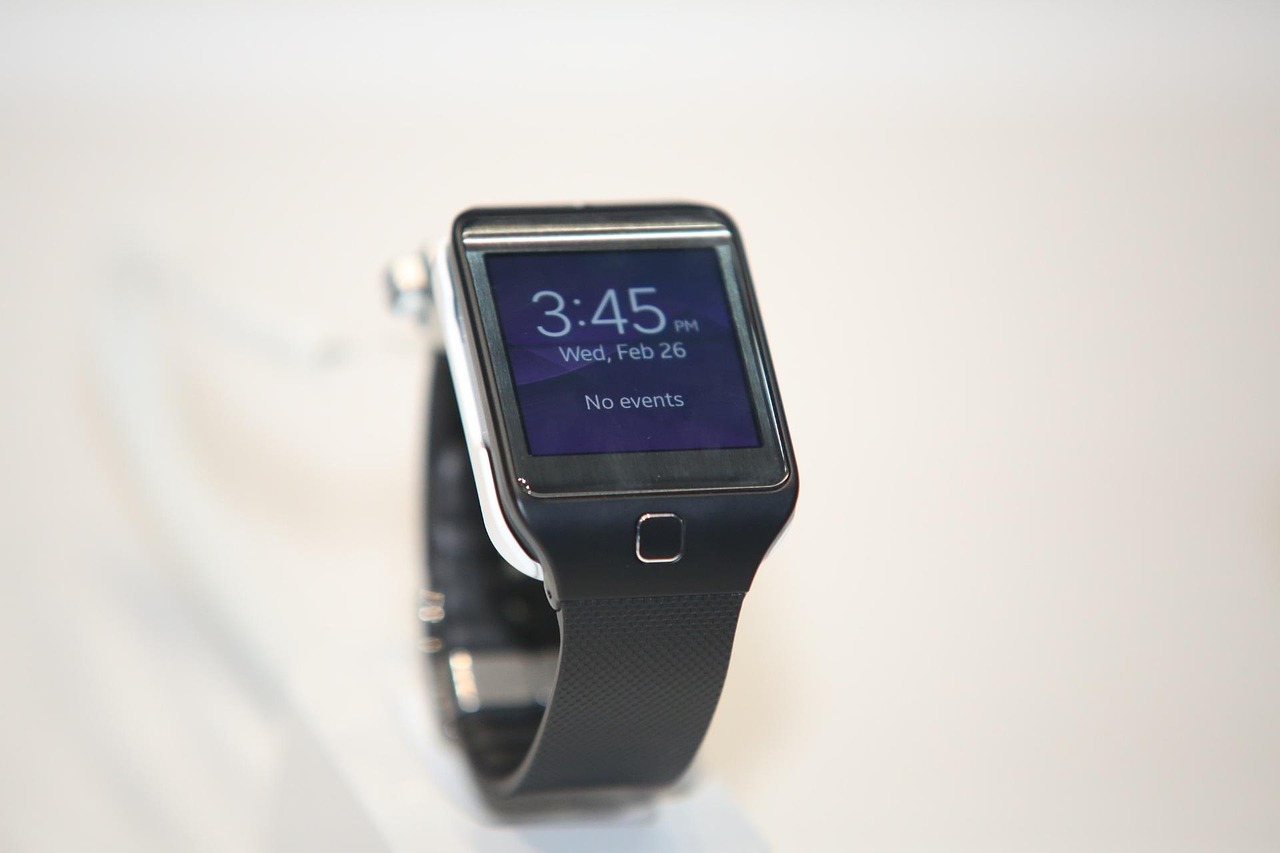
Another trend arising from the popularity of smart fitness equipment is connectivity. Many devices can now interact with each other and other health-tracking tools, offering a comprehensive view of one’s overall well-being. This interconnectedness means that workouts can be coordinated with nutrition and recovery sessions, creating a balanced approach to fitness. Health-oriented applications facilitate this convergence, providing users with tailored workout plans based on their personal health data. Overall, integrating technology leads to more informed approaches in achieving fitness goals, including improved nutrition, sleep patterns, and even mental health. For example, wearables like smartwatches can monitor heart rates and provide feedback during workouts by syncing with fitness equipment. This provides a seamless method to optimize exercise efficiency. The user-friendly interface of many applications also enables easy data access, allowing exercisers to see progress over time and inspiring them to set new goals. Consequently, this connectivity serves not only fitness-focused individuals but also casual users looking to improve their personal health journey without overwhelming complexity. Technology streamlines experiences, driving a more informed and balanced approach to fitness today.
A Rise in Interactive Workouts and Virtual Classes
The demand for interactive workouts and virtual classes has surged alongside the popularity of smart fitness equipment. Individuals everywhere find themselves embracing live-streaming sessions featuring professional trainers that lead routines from the comfort of their homes. This shift represents a significant departure from traditional gym environments, as participants are empowered to choose the content and timing that best suits them. Smart devices often feature real-time capabilities, allowing instructors to tailor feedback and encourage participants, creating a sense of community. Many apps allow interaction among users, presenting opportunities for camaraderie, such as virtual competitions or collaborative challenges. This sense of belonging plays a crucial role in keeping participants engaged and motivated to continue their fitness journeys. Thus, technology provides a platform that bridges the gap between exercise and social interaction, emphasizing the psychological aspects of fitness. Importantly, feedback systems via smart devices enable publishers to curate programs that resonate with users while emphasizing continuous improvement. This adaptability within the fitness space is essential to accommodate various skill levels and preferences, enriching every user’s journey by ensuring relevance in their experiences.
Moreover, smart fitness equipment often contains built-in libraries of workout routines, allowing users to select sessions that align with their individual goals. This flexibility caters to varying preferences, ensuring that exercise remains engaging. Through the integration of gamified elements, users experience workouts as fun challenges rather than monotonous tasks. For instance, integrated leaderboards can encourage friendly competition among peers or family members, enhancing motivation further. Social features, including shared accomplishments and milestone celebrations, foster accountability as users strive to meet their fitness objectives within supportive environments. Such innovations position smart fitness devices as essential components of a modern fitness regimen, emphasizing the enjoyment derived from physical activity. As smart technology continues to develop, trends reflect a significant shift towards a more engaging and informed workout experience. The ability to adjust features according to individual needs ensures equipment remains relevant, helping individuals pursue sustained fitness journeys. Whether users are seasoned athletes or beginners starting, smart equipment drives the transformation of fitness practices into enjoyable and effective activities. This evolution emphasizes not only physical health but also the importance of social connections in achieving success.
The Future of Smart Fitness Equipment in Home Workouts
In conclusion, smart fitness equipment presents a pathway to revolutionize how individuals approach their home workouts. By combining convenience, personalization, and community interaction, these devices have reshaped the fitness landscape dramatically. Continuous advancements in technology offer promising enhancements to user experiences, emphasizing the need for adaptability in future offerings. As health and fitness trends evolve, so too must the tools that aid individuals along their journeys. Companies focusing on integration, innovation, and community will likely see remarkable growth as users increasingly seek ways to maintain their fitness aspirations. The global pandemic highlighted the importance of accessible workout solutions, further fueling the growth of the smart fitness equipment market. As people look for innovative ways to support their health and fitness goals, many will embrace these evolving technologies. The future holds incredible potential as fitness enthusiasts worldwide seize the opportunity to cultivate healthier lives within their unique environments. In turn, infrastructure surrounding fitness will likely continue evolving, as market demands drive development. This collaboration between innovation and user needs promises a vibrant future for both smart fitness equipment and the home workout realm.
Overall, the introduction of smart fitness equipment marks a significant evolution in how individuals pursue their health aspirations. These devices not only ensure accessibility and convenience but also motivate users through gamified experiences, personalized data, and community interaction. By prioritizing user-centered design, brands provide comprehensive solutions that cater to a diverse audience, regardless of experience level. As technology and fitness industries converge further, the opportunities grow exponentially. The future appears bright for the fitness equipment market, driven by a strong demand for smart, adaptable, and connected workout solutions. As individuals recognize the value of a holistic fitness approach, smart devices will play a pivotal role in shaping their journeys ahead. Therefore, the investment in intelligent fitness technology seems promising, offering sustainable returns for users and manufacturers alike. Alongside the progressive development, consumers eagerly anticipate what new innovations lie ahead in this dynamic field, forging a path that intertwines technology, health, and well-being seamlessly. This ongoing transformation in personal fitness experiences nurtures a strong sense of community, fostering a culture of support and motivation that empowers everyone to thrive.