
Functional Fitness for Beginners: What to Expect
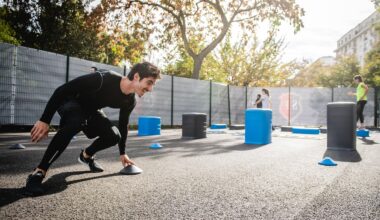
Functional fitness is a training approach that focuses on exercises which increase strength, balance, flexibility, and coordination for everyday activities. If you’re new to exercise or coming back after a break, participating in functional fitness can be beneficial. The aim of functional fitness is to prepare your body for real-world movements, whether it be lifting groceries, walking up stairs, or playing sports. With classes designed specifically for beginners, you can expect an encouraging environment. The goal is to teach you proper techniques, which are essential for preventing injuries. Everyone, regardless of fitness level, can engage in functional fitness. Classes often include a variety of movements that mimic day-to-day tasks, utilizing various equipment like kettlebells, resistance bands, and bodyweight exercises. It helps enhance your overall physical performance and promotes better posture. Engage with a community of like-minded individuals can also motivate you to stay committed. Don’t hesitate to ask the instructor questions if a movement feels challenging. They can provide modifications tailored to your abilities and ensure you are gaining the maximum benefit from the program.
The key to success in functional fitness is consistency and gradual progression. When you start, classes will generally be structured to include a warm-up, followed by a series of exercises targeting different muscle groups, and a cool-down period. Warm-ups prepare your body for more intense movements subsequently. They improve blood circulation and reduce the chance of injury. Exercises may include squats, lunges, deadlifts, and various core exercises, focusing on mobility and stability. A cool-down helps to lower your heart rate back safely and includes stretching exercises that can enhance recovery. You’ll find that the pace of beginner classes may vary; however, most instructors encourage you to listen to your body and work at your own speed. This adaptive training style not only caters to beginners but also helps more advanced participants by giving them the option to challenge themselves further with heavier weights or more complex movements. Engaging consistently in functional fitness can help develop not just strength, but also agility and endurance. To maximize your gains, maintain a balanced diet and stay hydrated.
Class Structure and Components
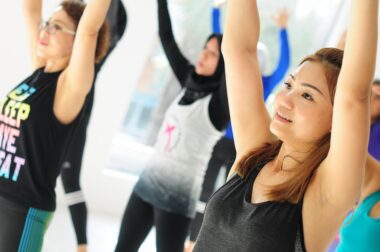
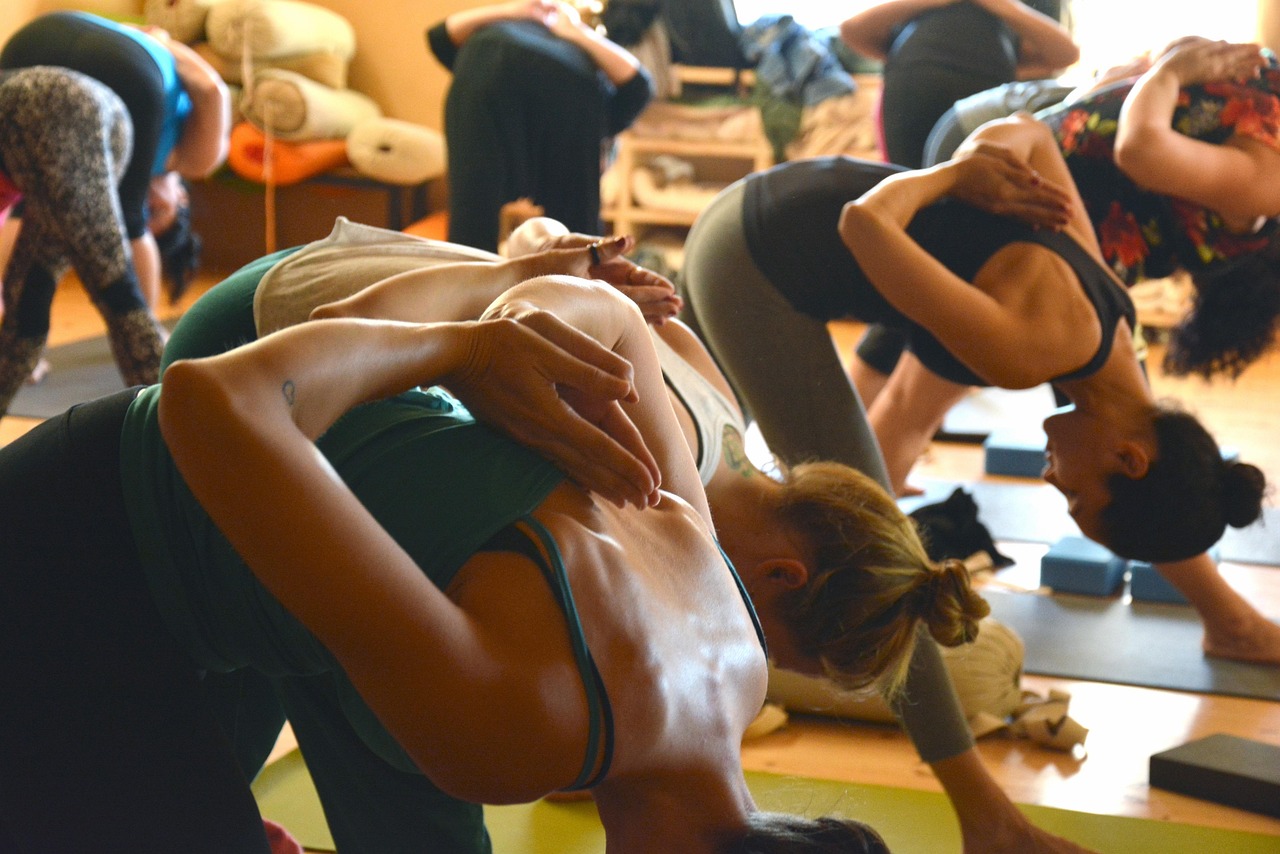
Functional fitness classes typically follow a structured format designed to gradually elevate your fitness level. During these sessions, you can expect a mix of strength, cardiovascular, and flexibility training to promote overall health. Most classes begin with a dynamic warm-up, which may include movements like arm circles, leg swings, or light jogging. This sequence prepares the body for activity and increases your range of motion. Following this is the main workout component, which consists of various functional exercises targeted at different body parts. The plan may include solo exercises along with partner drills to foster teamwork and social interaction. The variety helps to keep workouts engaging and enjoyable. Instructors often introduce modifications within these routines, allowing participants to find a pace for their skill level. The energy in a group setting can be contagious, providing encouragement. After the main workout, a cool-down phase is critical for recovery. This often consists of stretches and deep breathing exercises, helping to re-center your body after intense physical activity. As you progress, you will notice improvements in your strength, coordination, and overall fitness level.
To truly benefit from functional fitness, it’s essential to adopt a holistic mindset toward your physical health. Fitness does not only refer to the act of exercising but also encompasses nutrition, recovery, and mental well-being. To begin, focus on enhancing your daily dietary choices, including whole foods like fruits, vegetables, lean proteins, and healthy fats. Adequate hydration is essential during workouts to maintain peak performance, especially during intense classes. Additionally, listen to your body when you feel fatigued. Rest days are just as important as training days, allowing your muscles time to repair and grow. Incorporate recovery strategies such as foam rolling or yoga on your off days to enhance flexibility and muscle recovery. Also, consider getting adequate sleep, as it plays a crucial role in replenishing energy levels and improving overall mood. Keep a positive mindset while working through physical challenges is equally important. Celebrate small victories, track your progress, and remember that fitness is a journey, not a destination. Consistency and patience will lead to long-term results, ultimately enhancing your quality of life.
Benefits of Functional Fitness
Engaging in functional fitness not only enhances your physical performance but also promotes overall health and quality of life. One of the most significant advantages is improved balance and stability. This is crucial as it helps reduce the risk of injury during everyday activities. A well-rounded approach to fitness strengthens the core and stabilizing muscles that support your movements. With enhanced strength and flexibility, regular activities such as bending, lifting, and reaching become easier and safer. Furthermore, functional fitness can also have transformative effects on your mental health. Exercise releases endorphins, the body’s natural mood elevators, which help to alleviate stress and anxiety. You may find that socializing with others during classes fosters camaraderie and motivation, helping you stay on track. Moreover, the sense of achievement felt when mastering a new skill can boost your self-confidence. Functional fitness also serves as a foundation for other physical pursuits, enhancing your overall athletic performance if you’re involved in sports. Prioritizing functional movements into your routine allows you to maintain physical independence as you age, encouraging a more active and fulfilling lifestyle.
As a beginner in functional fitness classes, it’s important to set realistic goals that align with your personal health aspirations. Focus on gradual improvements rather than expecting immediate results. Start by assessing your current fitness level and establish short-term and long-term objectives that are achievable. Short-term goals may include attending a certain number of classes each week, learning proper technique, or mastering a specific exercise. This will empower your motivation and help you stay on track. Long-term goals can expand into performance targets, such as increasing weights lifted or improving your fitness endurance. Consider tracking your progress through fitness apps or journals, as this can provide you with valuable insights. Surround yourself with supportive peers who share similar fitness journeys. This camaraderie can create positive experiences and strengthens your commitment to the program. Always remember to consult with a fitness professional or instructor about any concerns you might have regarding your progress. They can provide encouragement, resources, and advice tailored to your unique needs, guiding you towards achieving your fitness journey successfully.
How to Choose the Right Class
Finding the suitable functional fitness class for beginners can be a rewarding process. Research local gyms and studios that offer such classes, focusing on their schedules and types of sessions available. Check reviews and ask for recommendations from friends or social networks. Ensure the instructor has expertise in working with beginners, as this makes a significant difference in creating a comfortable environment and ensuring safety. You may want to participate in a trial class to get a feel for the space, community, and class dynamics before making a commitment. Observe the class’s mechanics for pacing, duration, and the instructor’s communication style. Classes can vary in size, so determine if you prefer smaller group settings for personalized attention or larger classes for energy and social interaction. Pay attention to the equipment being used and ensure it’s suitable for your comfort level. As you explore your options, trust your instincts; the right class will feel welcoming and inclusive, providing an opportunity for growth and connection. Keeping an open mind about trying different styles may help you find a suitable fit, ultimately enhancing your fitness experience.
To sum up, functional fitness is an exciting and beneficial approach, especially for beginners eager to improve their overall quality of life. Engaging in functional fitness classes offers countless advantages, including enhanced strength, mobility, and coordination, which are essential for daily activities. You learn various exercises aiming at real-world applications, ensuring you get the most out of your efforts. Consistency is key to making meaningful progress, so setting realistic and attainable goals will motivate you throughout your fitness journey. Following a well-rounded training program can reduce the risk of injury while fostering a sense of community among classmates. Nutrition, hydration, and recovery strategies should also be prioritized to maximize results. Embrace the supportive environment provided by instructors and fellow participants, encouraging you to push past perceived limits. As you progress, you will witness significant improvements in all aspects of your life, promoting mental and physical wellness. Remember to keep an open mind, as functional fitness is an ongoing journey that can continually enhance your health and fitness for years to come. Dive into this fantastic fitness world and discover a more empowered version of yourself!