
Foot and Ankle Injury Prevention in Competitive Bodybuilding
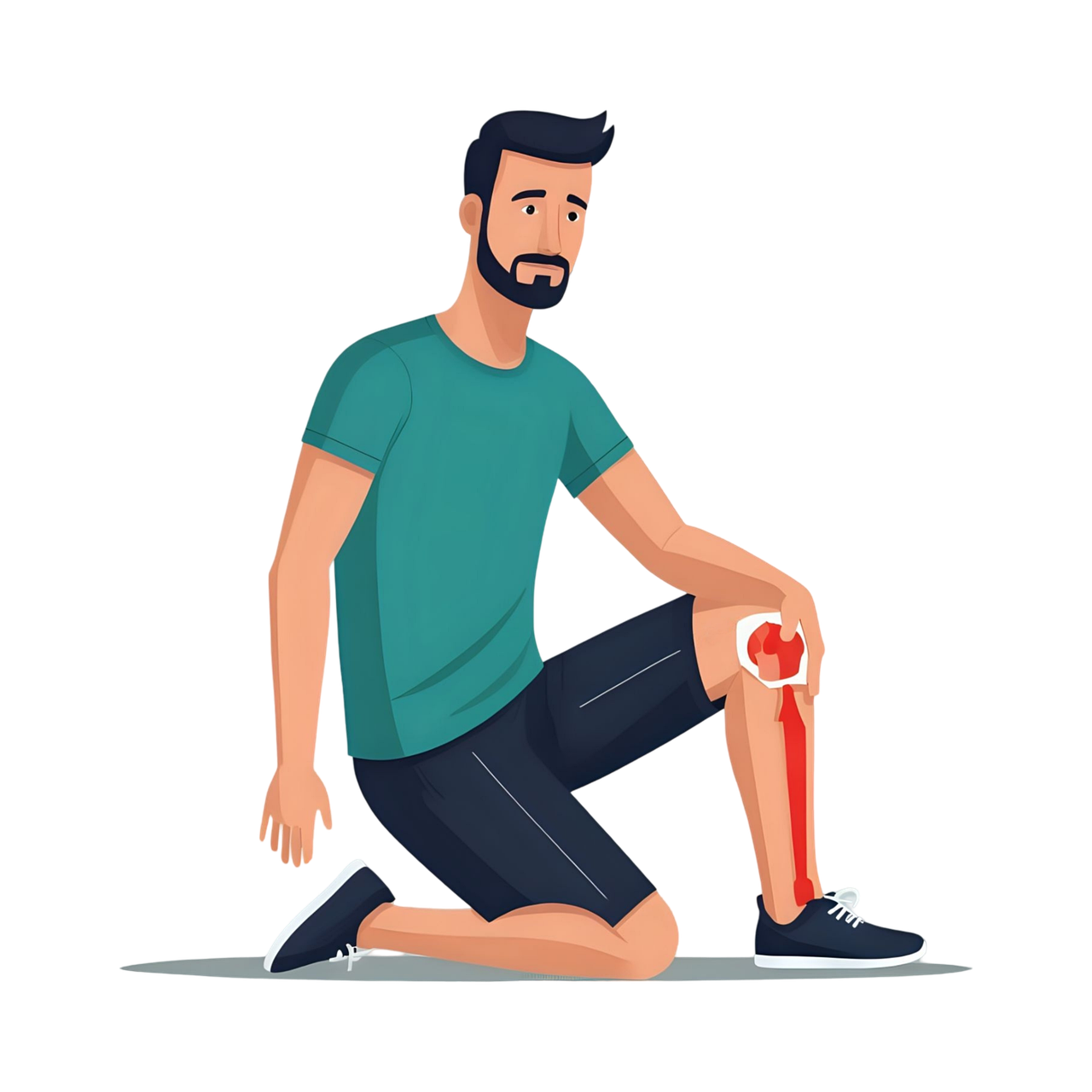
Bodybuilding competitions demand peak physical performance, placing considerable stress on the body. Among the most vulnerable body parts are the foot and ankle, responsible for maintaining balance and supporting tremendous weights. Competitive bodybuilders frequently engage in high-intensity workouts that can lead to injuries such as sprains, fractures, and tendonitis in these areas. Foot and ankle injuries can severely impact performance and overall well-being, requiring bodybuilders to adopt preventive measures. Awareness of common injuries stemming from poor technique or inadequate footwear is essential. Incorporating a proper warm-up routine and effective stretching techniques can significantly reduce injury risks. Additionally, using appropriate athletic shoes that provide ample support is crucial for protecting this essential area. Understanding body mechanics and enhancing flexibility can further mitigate injuries, as can developing a balanced training regimen. Bodybuilders are encouraged to listen to their bodies, allowing adequate recovery time. A comprehensive approach focusing on prevention will ensure longevity in the sport and optimal performance during competitions.
Another effective strategy for preventing foot and ankle injuries in bodybuilding involves focusing on core strength and stability. A strong core not only supports overall body mechanics but also aids in maintaining proper posture during lifts. Exercises like planks, bridges, and rotational movements contribute to core stability, thus reducing undue stress on the lower extremities. Additionally, the role of proprioception in injury prevention cannot be overlooked; balance exercises, such as single-leg stands or stability ball movements, can enhance awareness of body positioning. This conscious awareness helps bodybuilders adjust quickly if they feel unstable, decreasing injury likelihood. It is also wise for athletes to incorporate specificity in their training, ensuring that they practice movements relevant to their competition routines. This specificity prepares their muscles and joints, honing muscles in the foot and ankle areas. Furthermore, cross-training can play a beneficial role in reducing injury risks, allowing bodybuilders to engage different muscle groups while retaining fitness levels. Activities like swimming or cycling can enhance cardiovascular health without overloading the lower extremities.
Proper Nutrition and Its Role
Nutrition also significantly influences injury prevention in bodybuilding. A well-balanced diet that provides essential nutrients supports overall musculoskeletal health. Proteins, carbohydrates, and healthy fats are vital for muscle repair and energy production, while vitamins and minerals play a critical role in maintaining bone density and connective tissue strength. Calcium and Vitamin D are of particular importance, as they directly contribute to bone health, reducing fracture risks in the foot and ankle. Furthermore, hydration is crucial during intense training sessions; dehydration can impair performance and increase injury susceptibility. Bodybuilders should strive to consume adequate fluids before, during, and after workouts. Incorporating anti-inflammatory foods such as berries, fatty fish, and green leafy vegetables can also reduce inflammation and promote faster recovery after strenuous exercises. Monitoring body weight effectively prevents excessive strain on the joints. Regularly assessing nutritional habits with a registered dietitian or nutritionist ensures that bodybuilders optimize their diets. Customizing nutrient intake based on individual needs can further enhance recovery and performance while minimizing injury risks.
Implementing effective recovery strategies is another essential component of foot and ankle injury prevention. Recovery is often overlooked by competitive athletes, but it plays a critical role in allowing the body time to heal. Techniques such as active recovery, stretching, foam rolling, and rest days can support tissue repair after intense workouts. Engaging in low-impact activities aids the recovery process while maintaining fitness levels. Adequate sleep is also vital; sleep deprivation can hinder recovery, increasing susceptibility to injuries. Bodybuilders should create consistent sleep patterns, aiming for at least seven to nine hours per night. Furthermore, seeking professional guidance from physiotherapists or athletic trainers can help identify weaknesses or imbalances that may predispose injuries. These professionals can also tailor rehabilitation programs specifically for the foot and ankle. Regular assessments can pin-point progress and necessary adjustments, ensuring competitive bodybuilders remain at the top of their game. Emphasizing recovery and incorporating professional support leads to well-rounded training, ultimately enhancing performance during competitions.
Importance of Footwear
Choosing the right footwear is crucial for injury prevention in bodybuilding when lifting or training. Well-constructed shoes provide necessary arch support and cushioning to absorb impact during workouts. Failing to wear appropriate footwear can lead to overuse injuries affecting the feet and ankles, as improper mechanics can arise from inadequate shoe structure. Bodybuilders should select shoes tailored to their specific activities, accounting for various lifting styles and surfaces. For instance, powerlifters often benefit from shoes with a flat sole, providing stability while performing heavy lifts. Conversely, bodybuilders may opt for shoes with more cushioning to safeguard against high-impact movements. Regularly assessing the condition of workout shoes is also important; once shoes lose their cushioning and support, the risk of injury increases. Bodybuilders should replace worn-out shoes promptly and consider rotating multiple pairs to reduce wear. Consulting product reviews and discussing footwear options with fellow athletes ensures informed decisions when investing in high-quality footwear. This strategic approach to shoe selection directly contributes to foot and ankle integrity, providing a solid foundation for successful training.
Injury prevention in bodybuilding extends beyond physical preparation; mental conditioning plays an vital role in maintaining focus during workouts. Bodybuilders can benefit from techniques such as visualization, mindfulness, and stress management to enhance mental resilience. Visualizing successful lifts and executing proper form can better prepare the mind for workouts. Mindfulness practices can increase awareness of alignment and body signals, allowing for timely adjustments to avoid injury. Stress can lead to muscle tension and interfere with concentration; implementing stress-reduction techniques enhances overall workout quality. Bodybuilders may find benefit in establishing a training routine that incorporates mental conditioning, setting aside time for visualization or relaxation before workouts. Additionally, engaging with a sports psychologist can provide personalized strategies to enhance mental strength. Creating an environment that fosters confidence and focus enhances performance outcomes while reducing the chance of injury through attentive movements. Ultimately, developing a comprehensive plan amalgamating physical and mental strategies leads to well-rounded preparation and resilience, essential traits for competitive bodybuilding. Building a strong mental game solidifies confidence in executing movements without compromising safety.
Conclusion
In conclusion, preventing foot and ankle injuries in competitive bodybuilding demands a multifaceted approach that combines education, exercise strategies, nutrition, and mental conditioning. Understanding the common injuries, coupled with the importance of proper footwear, stretches and exercises that enhance stability, serves as an effective foundation for risk management. Implementing recovery strategies, prioritizing nutrition, and integrating mental practices are essential components that significantly impact long-term health and performance. By focusing on injury prevention, bodybuilders can prolong their athletic careers, maintaining peak performance in competitions. It is crucial to recognize the interconnectedness of physical and mental strategies in safeguarding against injuries. As a competitive athlete, staying informed and proactive about foot and ankle health yields substantial benefits. Therefore, create a balanced regimen that includes strength training, flexibility work, proper nutrition, and mental conditioning. Regular assessments and incorporating professional guidance create an environment conducive to growth and safety in bodybuilding. With these approaches, competitive bodybuilders pave the way for success, achieving their personal bests while minimizing injuries throughout their careers.
This is an additional paragraph if you need more content or insights about injury recovery, offering practical examples and expert opinions to cement your understanding and strategies for success.