
Does Salt Affect Your Mood? Myths and Evidence
When discussing nutrition, especially salt intake, myths abound regarding its impact on mental well-being. A common belief is that high salt consumption leads directly to feelings of irritability. However, the relationship between dietary salt and mood is complex. Salt, primarily composed of sodium chloride, is essential for various bodily functions, including fluid balance and nerve transmission. Research has shown that adequate sodium levels are vital for maintaining mood stabilization. Dehydration or low sodium intake can result in mood swings due to electrolyte imbalance. Claims stating that too much salt directly causes mood disturbances often fail to consider other factors, such as overall diet quality or lifestyle habits. For instance, a balanced diet full of fruits, vegetables, and whole grains can mitigate negative moods, regardless of salt levels. Thus, examining salt in isolation may not lead to accurate conclusions about mood. Instead, it is crucial to understand how it fits into your overall dietary pattern. In summary, while excessive salt has its risks, it does not necessarily correlate with poor mood health. Always seek a balanced approach to diet and lifestyle choices for optimal mental well-being.
In exploring salt’s role in emotions, we ought to clarify that sodium is critical for brain function. Sodium ions support electrical signals necessary for neuronal communication. Hence, a sodium deficiency can lead to cognitive impairments and contribute to mood disorders. Numerous studies illustrate that maintaining adequate sodium levels is important for brain health. On the contrary, excessive sodium from processed foods can increase blood pressure and potentially lead to health issues, including negative emotional states. Many individuals experience discomfort when consuming large salty meals, which raises stress levels, not necessarily due to salt itself but rather due to overall health decline. We often witness the association of fast food with frantic lifestyles and poor mental health. Additionally, salt consumption is often a byproduct of unhealthy eating habits, which can lead individuals to feel sluggish or lethargic. Moderation is key, and being aware of sources like packaged snacks or takeout can help. Focus on obtaining salt from natural sources like vegetables. Incorporating a variety of foods ensures that your mood benefits from nutrients beyond just sodium, thus supporting overall psychological well-being. Aim to prioritize whole foods in daily meals while maintaining awareness of salt intake.
Myths Surrounding Salt Intake
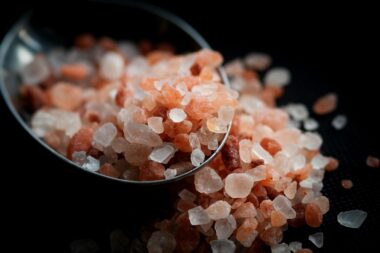
Various myths exist about salt intake being solely negative, overshadowing its benefits. One major myth is that all sodium is harmful, but this is simply untrue. The body needs sodium to function optimally. For instance, sodium plays a key role in regulating blood volume and pressure. Therefore, it’s crucial to distinguish between different types of salt. Natural salts, such as sea salt and Himalayan salt, contain trace minerals that can provide health benefits. These salts may actually support hydration better than refined table salt. Another misconception asserts that eliminating salt entirely improves mood. In reality, low sodium diets can lead to fatigue and irritability. Sodium is also essential for proper hydration, affecting overall energy levels, which, in turn, can influence mood. Public health guidelines generally recommend limiting sodium intake to prevent certain health issues, yet many people misinterpret this as consuming none at all. Instead, a balanced intake is essential for mood and cognitive function. Understanding the nuances of salt consumption can help individuals make informed decisions. This knowledge empowers people to maintain their health while enjoying flavorful foods that contribute to a well-rounded emotional state.
Dietary habits significantly influence mood and emotional health; thus, the role of sodium cannot be underestimated. Many individuals who consume a standard diet rich in processed foods often unknowingly exceed the recommended sodium levels. This is because processed foods typically contain high amounts of hidden salt. The consequences of a high-sodium diet are often misattributed to the salt itself rather than to accompanying unhealthy dietary practices. As research indicates, the psychological effects associated with these foods correlate more with their overall lack of nutritional value. Individuals might experience a decline in mood, health, and energy levels. Finding a balance is essential, as allowing sodium intake primarily from whole foods, like vegetables and lean proteins, supports brain function without the adverse effects found in processed options. Those who seek to enhance their emotional health should also consider stress management, exercise, and sleep alongside dietary choices. Such factors contribute to brain health as much as nutrition does. Thus, although sodium has been portrayed negatively, it’s essential for well-being when consumed within a balanced dietary framework. Adopting a holistic view of nutrition and its impact on mood will yield the best results.
The Importance of Context in Understanding Salt
The discussion surrounding salt intake and mood should consider the broader context of a person’s lifestyle. Emotional health is multifaceted, influenced by factors such as stress, sleep quality, physical activity, and nutrition. A person’s overall diet plays a significantly larger role than individual nutrient levels. Therefore, contextual factors must be weighed. For instance, someone may consume a diet high in salt but also engage in regular exercise and maintain good sleep hygiene, which can contribute positively to mood. On the other hand, an individual with a low-sodium diet may struggle with overall health due to poor food choices, making them more susceptible to mood disorders. Moreover, psychological responses to diet vary greatly among individuals, emphasizing the need for personalized approaches to nutrition. While some people may thrive on higher sodium diets, others may need to moderate their intake because their body responds differently. Thus, rather than solely blaming sodium, it’s pivotal to consider how salt fits within a broader pattern of lifestyle choices that influence mental health. Adopting an individualized nutrition plan based on overall dietary habits will support better outcomes for emotional well-being.
Furthermore, the impact of sodium on mood can also be closely linked to hydration. Sodium plays an integral role in fluid balance within the body, and dehydration can lead to feelings of fatigue and irritability. When individuals restrict salt far too aggressively, they may inadvertently disrupt their body’s balance, leading to further complications. Some studies suggest that proper hydration, along with adequate sodium levels, can support cognitive function and help maintain stable moods. Therefore, particularly in hot weather or after vigorous exercise, maintaining appropriate salt levels is crucial for optimal performance and mood stability. Ensuring you drink plenty of water and incorporate natural sources of salt can establish a harmonized dietary approach. It’s pertinent to listen to your body’s signals and understand its needs as hydration varies based on numerous factors. In addition to dietary adjustments, paying attention to emotional triggers and patterns enhances a comprehensive approach to mental health. Consuming balanced meals rich in nutrients, including the right amount of sodium, supports positive mental states. Integrating healthy habits creates more resilient emotional health, which directly correlates to how one feels daily.
Conclusion on Salt and Emotional Health
In conclusion, examining the myths surrounding salt intake and mood reveals that a balanced, moderate approach is key. Sodium is a vital nutrient that the body requires for numerous functions. The evidence suggests that while excessive sodium might lead to health concerns, appropriate amounts of salt can aid in maintaining mood stability and overall wellness. It is imperative to recognize that diet encompasses a broader selection of nutrients, and isolation of any single element can lead to misunderstandings. Instead of attributing emotional issues solely to salt intake, it’s essential to explore comprehensive dietary habits. Physical and emotional health are interrelated, and recognizing that salt serves a purpose can alter perceptions. As new research on nutrition continues to emerge, the understanding of connections between diet and mental health evolves. Emphasizing whole, minimally processed foods alongside adequate hydration, balanced sodium intake presents a sustainable approach to support emotional well-being. Individuals ought to focus on an array of foods that nourish the body while considering lifestyle elements. With this knowledge, you can cultivate a more informed relationship with salt and nutrition, positively impacting mood and health.