
Benefits of Dynamic Balance Exercises for Everyday Life
Dynamic balance exercises play an essential role in enhancing coordination and stability. These exercises challenge the body’s ability to maintain stability while in motion. They are crucial for individuals of all ages, especially seniors, who require balance to prevent falls. Strong balance is foundational for performing daily tasks effectively. Moreover, engaging in dynamic balance training can improve overall body awareness. This increased awareness aids in reducing the risk of injury by fostering better movements. Implementing these exercises into a daily routine can also lead to improvements in other functional activities. This enhancement ensures that individuals can navigate their surroundings with greater confidence and ease. Fitness experts emphasize incorporating balance drills, such as single-leg stands or agility ladder workouts. These practical methods help target muscle groups involved in maintaining balance. Practice is essential; the more one focuses on dynamic balance, the more improvements one will notice. Additionally, balancing exercises help in developing core strength, which is directly linked to stability. By strengthening these core muscles, a person can improve posture and facilitate safer movements.
One significant advantage of dynamic balance exercises is their application in enhancing athletic performance. Athletes, especially those involved in sports requiring quick changes of direction, benefit greatly. Dynamic balance drills enhance muscle coordination and swift reaction times. Such improvements are vital for activities like basketball, soccer, and tennis, where agility and stability are paramount. As muscles learn to communicate better with the central nervous system through these exercises, athletic skills sharpen. Practicing movements that mimic actual sport scenarios boosts participants’ overall game performance. By incorporating balance-enhancing routines into regular training sessions, athletes can achieve optimal results. They may experience faster times, greater power, and injury reduction, which are critical for sports success. Emphasizing footwork, core strength, and body position through dynamic exercises creates a holistic approach to physical training. Additionally, these exercises can become enjoyable challenges that keep participants motivated. They help foster a growth mindset, where continuous progress becomes not only attainable but also part of the enjoyment. The excitement in mastering a new skill can translate to increased dedication and commitment.
Improving Posture with Dynamic Balance Techniques
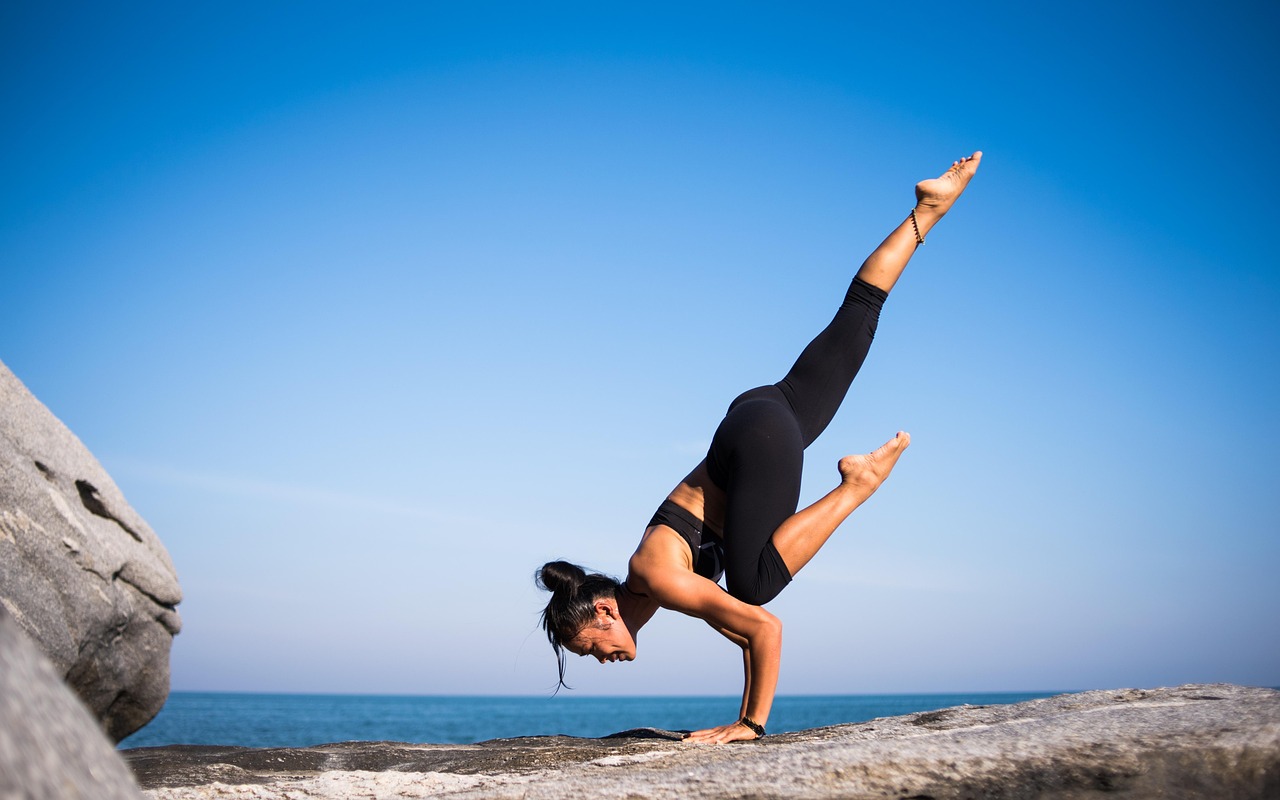
Implementing dynamic balance exercises can significantly improve posture, contributing positively to overall health. Poor posture is often linked to numerous issues, such as back and neck pain. By focusing on balance, individuals strengthen the muscles that support the spine, helping to promote comfortable alignment. Practicing exercises like lunges or yoga poses reinforces these postural muscles effectively. These activities train the body to stand tall and maintain alignment during movement, thus minimizing strain on muscles and joints. Improved posture subsequently leads to better breathing and improved blood circulation. As breath deepens and the diaphragm functions optimally, energy levels can increase throughout the day. Moreover, maintaining an upright posture contributes to confidence and mental clarity. With improved balance and posture, individuals often find greater ease in engaging with their environment. They can participate in social settings without the distraction of discomfort caused by improper alignment. It’s essential to remember that dynamic balance requires consistent practice. Progress will build over time, allowing anyone to reap the rewards. As strength develops, participants may also notice enhanced focus and concentration, making balance a multifaceted benefit for life.
Another noteworthy benefit of dynamic balance exercises is the enhancement of functional mobility. As individuals age, maintaining mobility becomes increasingly critical. Incorporating balance exercises into daily life ensures that individuals retain independence for as long as possible. Simple activities executed with balance techniques, like getting up from a chair or reaching for an object, become safer and effortless. This newfound confidence can significantly contribute to a better quality of life, enhancing overall happiness. Moreover, improved mobility benefits all ages, as dynamic exercises prepare children and teens for sports and active play. They help build a strong foundation for physical activity that supports lifelong health. Engaging in dynamic movements teaches coordination, timing, and spatial awareness. As coordination improves, navigating environments safely becomes second nature. Furthermore, these exercises can be adapted to suit various fitness levels. Tailored routines can be created for families, allowing everyone to participate together. This joint exercise experience can foster family bonding while promoting health awareness. Emotional wellness is equally important, and dynamic balance exercises provide satisfaction that reinforces a sense of achievement through progress.
Reducing Injury Risks through Dynamic Balance Practices
Dynamic balance exercises can significantly reduce the risk of injuries in everyday life. Enhancing stability helps prevent falls, one of the leading causes of injury among older adults. Committing to a regular balance training routine strengthens muscles and improves proprioception, or the body’s awareness of its position in space. Comprehensive workouts targeting various muscle groups ensure that no areas are neglected. This holistic approach lowers vulnerability to muscle strains and sprains during any activity. Safety becomes increasingly prioritized when individuals cultivate better balance. Practicing balance techniques, including standing on one leg or navigating balance beams, builds confidence in one’s ability. Key elements of stability training also allow individuals to adapt quickly to unexpected movements. For example, if someone slips, their improved balance can assist in recovering without falling. Additionally, injury prevention is essential for anyone engaged in physical activities, not just seniors. Athletes who actively cultivate dynamic balance are less likely to experience setbacks due to injuries. Maintaining a strong foundation promotes longevity in athletic pursuits, resulting in prolonged activity and enjoyment.
Dynamic balance exercises also have a remarkable impact on mental health and cognitive function. The crucial connection between physical activity and mental well-being has been extensively acknowledged. Engaging in balance training often encourages mindfulness as individuals focus their attention on body movements and positioning. This increased concentration fosters mental clarity, relaxation, and reduced stress. Moreover, teachers adapt these techniques to encourage children to develop focus and discipline through play. Physical exercise, particularly when combined with balance activities, releases endorphins, which contribute to mood elevation. When individuals experience improved mental health, other areas of life may thrive, including social interactions and work performance. Boosts in self-esteem and self-efficacy emerge through mastering new skills in balance training. As progress continues, a sense of accomplishment cultivates motivation, making it easier to pursue a healthier lifestyle. Also, challenging oneself with new movements and routines can counteract boredom in fitness, making it a sustainable activity. Overall, the synergy between physical balance training and mental health is enriching and essential for personal growth.
Conclusion: Embedding Balance Exercises into Daily Routines
To fully benefit from dynamic balance exercises, integrating them into daily routines is crucial. Finding ways to challenge balance throughout the day ensures consistent progress and improvement. Activities such as standing on one foot while brushing teeth or performing yoga poses can become integral components of life. Simple practices can progressively enhance balance without needing extra time, making it convenient. Incorporating balance drills into warm-up or cool-down routines during workouts adds variety and purpose. This inclusion keeps participants motivated and attentive to their movements. Additionally, joining group classes focusing on balance can create enjoyable social experiences. Shared challenges and camaraderie serve as powerful motivators for maintaining a commitment to balance training. Overall, the integration of dynamic balance exercises into life fosters a well-rounded approach to health and wellness. A commitment to practicing these fundamental techniques paves the way for lasting benefits. As individuals witness improvements in balance, mobility, and overall well-being, lifelong participation in such exercises becomes an invaluable asset.
Dynamic balance exercises offer numerous benefits, enhancing stability, mobility, and overall health. Igniting enthusiasm for these practices can inspire others to embrace balance as part of a healthy routine.