
Avoiding Common Swimming Injuries in Pregnancy
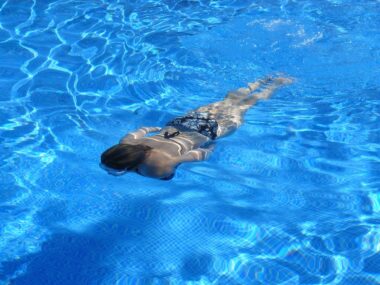
Swimming is a fantastic form of exercise during pregnancy, providing both physical and mental benefits. However, pregnant women may face certain injuries if proper precautions are not taken. It is essential to be aware of common swimming injuries such as shoulder strains and ankle sprains. These injuries can arise due to the body’s shifting weight and altered center of gravity. A regular warm-up routine is vital for preparing your body before swimming. Opt for gentle stretches focusing on shoulders, legs, and hips to enhance flexibility. Engaging in specific strengthening exercises outside the pool can also help in reducing the risk of injury. When entering the water, do so slowly to avoid sudden impacts, which may cause slips. Adapting swimming techniques to accommodate your changing body can prevent injuries. Always listen to your body, and don’t push through any discomfort. Stay hydrated to maintain energy levels, and consider swimming in a clean, safe environment. Remember, swimming should be enjoyable and beneficial; with the right practices, you can minimize the risks associated with this delightful exercise.
Understanding the Risks
While swimming during pregnancy is generally safe, understanding potential risks is crucial. The hormonal changes in pregnant women can lead to greater flexibility in ligaments and joints. This increased flexibility may make pregnant women more susceptible to strains or sprains, especially when participating in physically demanding activities like swimming. Alongside flexibility, weight gain during pregnancy alters the body’s center of gravity, potentially affecting balance in the water. A misstep while swimming can easily lead to falls or overstretched muscles. Adequate water temperature is vital; avoid swimming in excessively cold or hot pools to prevent overheating or muscle cramping. Swimming in chlorinated pools can pose risks for those sensitive to chemicals; always ensure proper ventilation. Always stay mindful of your stamina levels as your body requires more energy when pregnant. Furthermore, pre-existing conditions or complications should always be discussed with a healthcare provider before beginning any exercise regimen, including swimming. Having the right support can aid in making informed decisions to maximize the benefits of swimming while minimizing the likelihood of injuries.
When swimming during pregnancy, choosing the right swimwear can enhance comfort and safety. Look for swimwear specifically designed for maternity use, offering adequate support for the growing belly. Supportive swimwear not only helps in providing comfort but also enhances confidence while moving in the pool. Additionally, consider investing in a quality pair of water shoes. They can reduce the chance of slipping on wet surfaces while providing stability, especially in crowded pools. Always choose swim styles that feel comfortable and natural for your body. Freestyle and backstroke are generally recommended due to their gentle and low-impact nature. Avoid strokes that require excessive twisting or turning of the body. Paying attention to your swimming pace is equally important; slow and steady movements can prevent overexertion. If you feel exhausted or dizzy, it is essential to take breaks frequently. Also, enlist a swimming buddy whenever possible to ensure safety during your sessions. Swimming should be a source of joy, relaxation, and fitness; with proper preparations, you can significantly reduce your risk of injuries and embrace the many benefits of this activity.
Techniques to Prevent Injury
To prevent injuries while swimming during pregnancy, proper techniques are vital. Focus on maintaining proper form while swimming, ensuring that movements are fluid and controlled. Avoid abrupt changes in direction that may strain your muscles. Consider using flotation devices for additional support, enabling you to focus on form without overexertion. Block out feelings of fatigue by resting when necessary; establishing time limits for your swims can also help maintain comfort and steadiness. If you’re new to swimming or have concerns about your technique, it may be worthwhile to work with a skilled instructor. A professional can guide you on safe practices best suited for pregnant women. Additionally, regular check-ins with your body are essential—being aware of any pain or discomfort during swimming. Moreover, alternate water exercises like aqua aerobics can diversify your routine while maintaining a low-impact workout. They often focus on strengthening muscle groups safely and efficiently. Listening to your body and adapting your swimming routine accordingly can significantly minimize injuries while providing the enjoyable experience that swimming during pregnancy should be.
In addition to swimming techniques, consider integrating complementary exercises into your regimen. Activities such as yoga and stretching can enhance flexibility while promoting relaxation and stress relief. These can be particularly beneficial when combined with swimming. Not only does yoga improve balance, but it also encourages deep breathing, beneficial for both mother and baby. You can follow online tutorials or join classes available in your area, which cater specifically to pregnant women. Prioritize rest alongside exercise; your body is undergoing significant changes, and recovery is crucial. Furthermore, consider engaging in prenatal classes that combine swimming and water aerobics. Many local facilities offer specialized classes for pregnant women, ensuring a safe and nurturing environment. If safety concerns arise—whether physical discomfort or pool conditions—don’t hesitate to exit the water. Your well-being is paramount; swimming should be a joyful experience without worry. Maintain regular communication with your healthcare provider regarding your swimming activities and overall health. Overall, embracing a well-rounded fitness approach will benefit your pregnancy journey and ensure both you and your baby thrive.
Post-Swimming Care
Post-swimming care is equally important as the swimming routine. After your swimming sessions, ensure you take the right steps to cool down and restore your body. Engaging in gentle stretching can help prevent muscle stiffness and promote recovery. Eat a light snack rich in protein and carbohydrates to replenish your energy levels. Hydration remains crucial even after swimming, as you may lose fluids through sweat. Rest is essential to allow your muscles to recover and to mitigate potential soreness. Taking a warm shower afterward can help ease any tightness and rejuvenate your body. Moisturizer is advisable for your skin to combat dryness created by chlorine exposure. Always remember to schedule regular visits with your healthcare provider for check-ups throughout your pregnancy. Keeping track of any physical changes is vital for ensuring your exercise regimen remains appropriate. If there are ever any signs of pain or discomfort, you must consult your doctor before continuing your swimming routine. Embracing the delightful nature of swimming during pregnancy is more achievable when safe practices are adhered to and overall health is prioritized.
Ultimately, avoiding common swimming injuries during pregnancy revolves around preparation, awareness, and care. A good mindset toward swimming, along with a commitment to the safety and wellness tips discussed, can foster a powerful and enjoyable exercise routine. As you prepare to navigate through your pregnancy journey, your approach toward swimming can impact not only your body but also your mood and overall experience. Finding a supportive community or getting a workout buddy can enhance motivation, making swimming sessions more enjoyable and less daunting. Always explore various styles of swimming, and don’t hesitate to mix in other water-based workouts. Your adventure into pregnancy fitness does not have to be lonely; engaging with other mothers can create a safe space for sharing experiences and tips. Ensure you are always aware of your limitations, and never hesitate to seek professional advice when uncertain. Swimming can be a fantastic outlet as you navigate through the many physiological changes you will experience. Embrace this time, enjoy the swim, and cherish the journey towards motherhood. With the right precautions, swimming can become a cherished routine for health and relaxation.