
Yoga Challenges Tailored for Seniors’ Mobility and Balance
Yoga offers a multitude of benefits, especially for seniors focusing on mobility and balance. Challenges specifically designed for older adults can help improve physical stability and enhance overall well-being. Seniors often face limitations in mobility due to various health concerns, making it crucial to adapt yoga practices to their unique needs. Tailoring yoga challenges also involves understanding the levels of flexibility and strength among participants. A well-structured program may include safe modifications to ensure everyone can participate comfortably. Classes can incorporate chair yoga, which allows seniors to perform poses seated, providing them with necessary stability and confidence. By gradually increasing their proficiency, seniors can overcome their fears and enhance their strength. Additionally, the use of yoga props, such as blocks and straps, further enables seniors to execute moves safely. The focus on breath control in yoga also aids in improving overall relaxation and ease of movement, which is vital for this age group. Enrollments in specialized classes, including gentle yoga sessions, can help instill a sense of community and motivation among seniors, encouraging them to stay active and involved.
When selecting suitable yoga challenges, instructors should prioritize a supportive environment. Building a connection with participants can help foster trust and enhance their experience in the class. Some seniors might have prior experience with yoga, while others may be new to the practice entirely. Recognizing individual capabilities and limitations is essential in planning effective sessions. It’s also important to incorporate exercises that emphasize balance and coordination, which are crucial for preventing falls. Poses such as tree pose or mountain pose can be beneficial. With consistent practice, participants will likely notice improvements in their balance and posture over time. Educating seniors about the physiological impacts of each pose is beneficial, as it motivates them to push their boundaries. Additionally, instructors should highlight the significance of gentle movements and mindfulness during these practices, emphasizing the mental benefits alongside physical growth. Each class should end with a cool-down period, allowing the participants to reflect on their progress and experiences. Offering feedback and guidance can significantly aid in establishing attainable goals for seniors, leading to successful outcomes in their yoga journeys.
Mindfulness and Meditation Integration
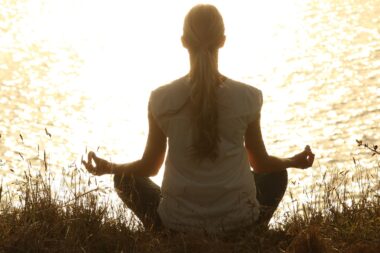
Overcoming mobility issues often leads to increased anxiety in seniors, which is why integrating mindfulness into yoga challenges is essential. Relaxation techniques can be taught alongside physical poses to equip seniors with tools for reducing stress. Mindfulness practices encourage individuals to stay present in the moment, promoting emotional clarity and focus. During yoga sessions, guided meditations can help participants tune into their bodies, encouraging awareness of their movements and stability. Encouraging deep breathing is a crucial aspect of this practice, as it reduces tension and enhances an overall sense of calmness. Seniors can learn techniques like visualization, where they picture themselves achieving balance and mobility. The combination of meditation and yoga creates a holistic approach to enhancing both mental and physical health. Regular engagement in these activities can lead to improved moods, reduced feelings of isolation, and enhanced social interactions. Establishing a sense of community through group classes further encourages participation and builds relationships among seniors. As they progress, the positive impacts on their mental well-being become more evident, contributing to healthier, happier lives.”}, {
Yoga challenges tailored for seniors should also consider their unique health issues, such as arthritis or osteoporosis. Offering alternative poses and gentle stretches ensures that participants do not exacerbate their conditions. For seniors with limited range of motion, restorative poses can provide relief and support without strain. These types of challenges focus on promoting flexibility, strength, and relaxation without risk. Constant communication with participants about their comfort level and pain thresholds is vital for their safety and empowerment during classes. Instructors can also provide education on the importance of regular practice; consistency leads to lasting benefits. Encouraging seniors to incorporate small daily exercises, even at home, reinforces their sense of agency and capability. Additionally, suggesting specific poses that can be practiced independently boosts their confidence and accountability. Prioritizing recovery, rest, and hydration throughout their yoga journey is just as critical. By observing their body’s signals and practicing self-care, seniors can cultivate a deeper appreciation for their practice, ultimately leading to improved mobility and balance. Personalized approaches create a more engaging experience that caters to individual journeys.”}, {
Creating a Supportive Community
Building a supportive community is key to the success of senior yoga programs. Encouragement and shared experiences foster a spirit of camaraderie among participants. Instructors should create opportunities for social interaction, whether through group discussions or partner exercises. Regular feedback sessions offer insights into improvements and challenges faced by participants, enhancing their sense of belonging. Furthermore, incorporating elements such as yoga challenges, social outings, or workshops can create a well-rounded experience. These activities not only enhance physical abilities but also build friendships that positively impact mental health. Organizing community events, like open houses or health fairs, aids in raising awareness about the benefits of yoga for seniors, attracting new participants. Developing partnerships with local healthcare providers or senior centers can facilitate outreach to a broader audience. Promoting inclusivity in classes ensures that everyone can participate regardless of their physical abilities. Sharing success stories can motivate individuals to take the first step in their journey. An inclusive, supportive environment helps seniors remain committed to their yoga practices, ensuring lasting effects on their mobility, balance, and overall quality of life.
Lastly, it’s essential to highlight the importance of ongoing assessment and feedback for senior yoga participants. Regularly evaluating progress ensures that yoga challenges evolve with the individuals, addressing their changing needs. Instructors can create personalized goals based on the evaluations, allowing seniors to feel invested in their journey. They should also celebrate milestones, regardless of size, to encourage continued commitment. Techniques such as journaling their experiences or taking part in reflection sessions can be beneficial for tracking developments over time. This practice reinforces accountability and provides a deeper understanding of their progress. Incorporating mobile apps or trackers helps participants monitor their performances, reinforcing their motivation to participate in more challenging poses over time. Additionally, building an online platform can give seniors valuable resources, reminding them to practice regularly and stay informed about upcoming classes or workshops. Furthermore, maintaining communication with participants outside class hours enriches their experience, ensuring ongoing support. Ultimately, as seniors engage in yoga challenges tailored to their needs, they cultivate a strong sense of community, confidence, and empowerment, significantly improving their mobility and balance.
Implementing these yoga challenges takes time and patience, but the rewards can be life-changing for seniors struggling with mobility and balance. Providing a safe, supportive environment encourages older adults to explore their physical capabilities without fear and fosters a love for yoga. As practices become more ingrained in their daily routines, they uplift both mind and body. Building strength, increasing flexibility, and enhancing balance ultimately empowers seniors, motivating them to lead active, engaged lives. By emphasizing positivity and inclusiveness, instructors can create enriching experiences that leave lasting impressions on participants. Taking small steps each day toward understanding their bodies can result in significant progress. Seniors may start small, but with each class, their confidence and mobility grow. Within a nurturing framework, individuals can rediscover their passion for movement. Through progressive challenges, they become more aware of their physical abilities, setting an essential foundation for a healthier lifestyle. Therefore, adapting yoga challenges for seniors not only improves their quality of life but also instills values such as mindfulness, patience, and resilience, creating pathways for more vibrant life experiences.
In conclusion, yoga challenges tailored for seniors focus on enhancing their mobility and balance through customized practices. Integrating mindfulness, creating a supportive community, and ensuring personalized progress are essential components of successful programs. By understanding each individual’s unique capabilities and limitations, participants can embark on their yoga journey in a comfortable, safe environment. Over time, seniors cultivate resilience and adaptive skills that significantly enhance their physical and mental well-being. With consistent participation, they can witness improvements that lead to greater independence and mobility. These tailored challenges help redefine what it means to age gracefully, enabling seniors to approach their later years with confidence and vitality. Fostering a strong sense of community through shared experiences rather than competition promotes lifelong engagement in their practice. Getting involved in yoga nurtures well-being, alleviates stress, and elevates self-esteem. As seniors find joy in movement, they connect with others in their journey, ensuring that they remain active and engaged within their communities. This holistic approach to support will undoubtedly create remarkable outcomes for seniors as they continue their path toward greater strength and balance.