
Self-Defense Strategies in Hapkido for Street Encounters
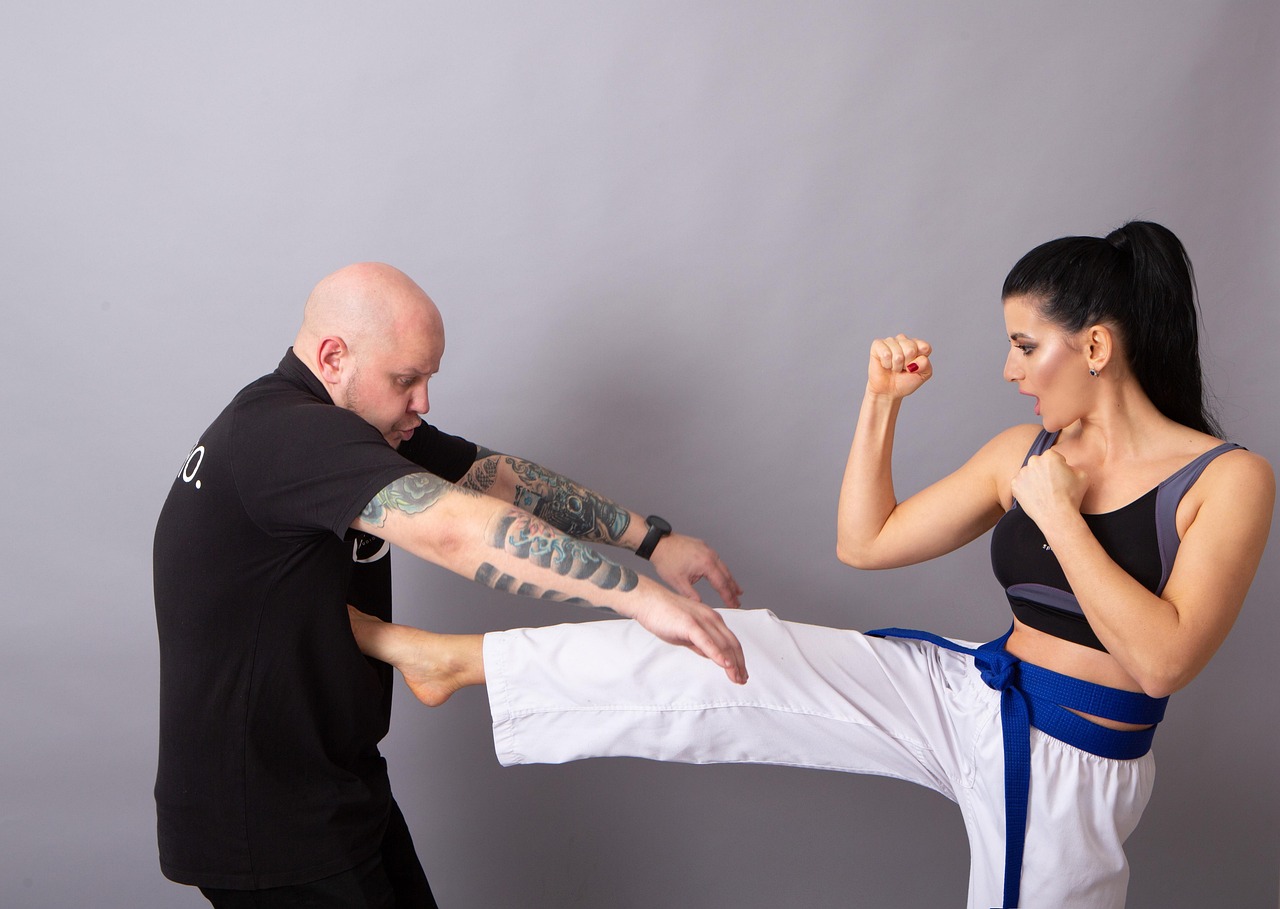
Hapkido is a unique martial art that emphasizes self-defense techniques aimed at real-world scenarios, making it particularly effective for street encounters. Practitioners learn how to utilize their environment and the opponent’s energy against them. One of the critical areas of focus in Hapkido is joint locks, which can immobilize an attacker effectively. Techniques such as wrist locks or arm bars allow the defender to neutralize a threat without relying solely on brute strength. Additionally, students become adept at using pressure points, providing a quick and efficient method to subdue an assailant. Hapkido also integrates striking techniques, allowing for both offensive and defensive capabilities. These strikes, including kicks and punches, are crucial in controlling distance and setting up for joint locks or throws. Training in Hapkido also instills a sense of awareness, enabling practitioners to assess situations and determine the best course of action. The art promotes the concept of de-escalation and understanding when to engage or disengage, which is essential during real-life confrontations. Ultimately, Hapkido prepares individuals not only physically but also mentally to handle unexpected street encounters.
Another vital aspect of Hapkido involves throws and takedowns, which can be essential in a self-defense situation. Understanding how to throw an opponent can quickly turn the tables during a confrontation. Techniques such as hip throws or shoulder throws can be utilized to unbalance attackers, allowing practitioners to gain the upper hand. When performed correctly, these techniques require minimal effort, relying more on timing and technique than strength. Familiarity with ground defense is also crucial, as many confrontations can end up on the ground. Hapkido incorporates a variety of techniques designed to counter attacks while on the ground, facilitating escape from unfavorable positions. Moreover, students practice both offensive and defensive tactics while on the floor, ensuring they can defend themselves no matter their circumstances. A well-rounded practitioner of Hapkido learns to assess situations rapidly. They can shift from standing to ground techniques fluently, creating a versatile skill set vital for self-defense. Furthermore, these skills promote confidence among practitioners, empowering them to confront potentially dangerous situations with greater assurance. Hapkido’s comprehensive approach to self-defense provides users with necessary tools to protect themselves effectively.
Situational Awareness and Prevention
Situational awareness is an often-overlooked aspect of self-defense, and Hapkido places significant emphasis on it. Practitioners learn to be conscious of their surroundings, helping them avoid dangerous situations before they escalate. By understanding their environment, individuals can make better decisions regarding their safety. Techniques taught in Hapkido encourage students to remain vigilant, recognizing potential threats early. This foresight allows for proactive measures, including avoiding high-risk areas or avoiding confrontation entirely. Moreover, the understanding of body language and social dynamics makes it easier to identify when someone is behaving aggressively. Training in Hapkido includes drills that simulate real-life scenarios, helping students practice their situational awareness skills. These drills cultivate a mindset focused on safety and preparedness. Participants are encouraged to approach situations with caution and utilize preventive measures. Additionally, becoming adept at conflict resolution techniques and de-escalation can drastically alter possible confrontations. By prioritizing the avoidance of physical altercations, Hapkido practitioners learn valuable lessons in self-control and confident interactions. Thus, situational awareness becomes a powerful form of self-defense, emphasizing intellect alongside physical capability.
Incorporating Hapkido’s principles into everyday life can enhance personal safety and confidence. From recognizing potential threats to employing emergency techniques, practitioners develop insights that go beyond the studio. These principles can be applied in various settings, helping individuals navigate an increasingly unpredictable world. Additionally, participating in regular training offers social benefits since spanning a supportive community connected through martial arts can foster friendships and partnerships. Many find that their training evolves their self-discipline and focus, enhancing their professional and personal lives. Hapkido also emphasizes perseverance; overcoming challenges in training translates into resilience in life. Moreover, integrating physical exercise improves not only self-defense skills but also overall health. The fitness aspect of Hapkido offers numerous benefits, including increased flexibility and improved cardiovascular function. Regular training helps develop muscle memory, ensuring that techniques can be deployed instinctively when needed most. Thus, Hapkido plays a substantial role in personal development beyond mere physicality; it cultivates strong, confident individuals ready to face various challenges. Through its multidimensional approach, individuals learn vital life skills alongside effective self-defense strategies, contributing to a well-rounded personal lifestyle.
Finding a Hapkido School
Choosing the right Hapkido school is crucial in maximizing the benefits of training in self-defense. Aspiring practitioners should look for qualified instructors with a solid background in Hapkido and significant teaching experience. Before committing, it’s wise to observe classes to evaluate the teaching style and the environment. A positive and respectful atmosphere is essential for effective learning and retaining skills. Prospective students should inquire about class structures; whether they incorporate sparring, forms, and self-defense techniques is important. Additionally, training with various partners of differing sizes and skill levels can enhance the learning experience. It’s also beneficial to learn about the school’s affiliations with other martial arts organizations. This connectivity often leads to exposure to multiple disciplines, enriching one’s training experience. Furthermore, joining a community of practitioners can create motivation through support and camaraderie. Continuous education through seminars and workshops is often available at established schools, providing ongoing skill enhancement opportunities. Finally, considering logistics such as proximity, costs, and class schedules can influence long-term commitment. Finding a suitable Hapkido school is a vital step that creates the foundation for successful self-defense training.
Ultimately, self-defense strategies using Hapkido techniques should be adapted to individual needs and experiences. Each encounter presents its unique challenges and how practitioners react depends on factors such as the context and their physical capabilities. Therefore, training should continuously evolve to meet these demands, utilizing various techniques and approaches that work best for each individual. Emphasizing knowledge and flexibility allows practitioners to modify their strategies based on circumstances. Regularly visiting classes enables trainees to refine techniques under realistic conditions, enhancing retention and adaptability. Moreover, practitioners should continue educating themselves about self-defense tactics outside traditional classes, utilizing resources that provide additional skills, such as online tutorials or self-defense courses. Incorporating elements from various martial arts disciplines can also enrich one’s skill set, making an individual formidable. This versatility is essential during street encounters, ensuring practitioners can react proficiently in varying situations. By applying the core philosophies of Hapkido to integrate mind and body training, individuals can develop effective self-defense strategies that transcend physical confrontation. Thus, a holistic understanding of self-defense empowers practitioners to protect themselves and navigate challenges effectively beyond the dojo.
Conclusion
In summary, Hapkido’s approach to self-defense equips practitioners with the necessary skills to manage street encounters effectively. Its comprehensive blend of techniques, including joint locks, throws, striking, and situational awareness, forms a well-rounded skill set. By enhancing both physical and mental training, students become not just reactive fighters but proactive individuals who prioritize safety. The focus on situational awareness and prevention fosters essential attributes that extend beyond martial arts. Additionally, the persisting practice of Hapkido leads to personal growth and fitness benefits. For those looking to build self-defense capabilities in real life, finding the right training environment and adapting strategies appropriately is crucial. Ultimately, as practitioners delve deeper into the principles of Hapkido, they enhance their abilities to deal with unforeseen situations efficiently. The practicality of Hapkido ensures students develop a confident mindset while learning to navigate various challenges, reinforcing their skills. Thus, Hapkido serves as a powerful tool for self-defense, paving the way for individuals to live confidently and safely in an increasingly complex world.