
Safe Cardio Routines for Seniors to Boost Heart Health
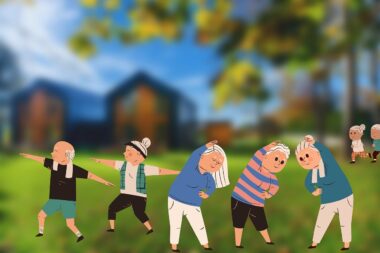
Maintaining heart health becomes increasingly crucial with age, especially for seniors. Engaging in safe cardio routines can boost cardiovascular fitness and improve overall health. It is important for older adults to choose activities that are gentle yet effective. Routine cardiovascular exercises help enhance blood circulation. Before starting any fitness program, consulting with a healthcare provider is essential. They will help identify suitable exercises based on personal health conditions. Gentle activities such as walking, swimming, or cycling are great options. These low-impact exercises reduce strain on joints and provide cardiovascular benefits. A good target is to aim for at least 150 minutes of moderate-intensity exercise weekly. Incorporating shorter sessions throughout the week can make this achievable and enjoyable. In addition, consider participating in group classes tailored for seniors. These classes not only promote exercise but also social engagement. Engaging socially while exercising can further enhance heart health. Set realistic goals, and consider tracking progress. This approach can encourage consistency and motivation to maintain an active lifestyle. Building a routine takes time, but the benefits to heart health are worth the effort.
Another effective routine includes strength training, which significantly supports heart health. Weight lifting or bodyweight exercises help build muscle mass, boosting metabolism and aiding in weight management. For seniors, focusing on lighter weights for more repetitions is safer while being beneficial. This approach reduces the risk of injury while ensuring that the cardiovascular system is engaged. Stronger muscles facilitate an improved ability to perform everyday activities, enhancing independence. It’s essential to combine cardiovascular exercises with strength training at least twice a week. Resistance bands and light free weights can also be used at home. They provide a variety of exercises that strengthen different muscle groups. Simple movements that target major muscles should be included, like squats and arm raises. These activities can easily be adapted to personal comfort levels. Stretching exercises are also critical, as they improve flexibility and balance. Incorporating yoga or tai chi not only aids flexibility but promotes relaxation. These activities can alleviate stress, which is advantageous for heart health. Overall, a balanced program includes cardiovascular fitness, strength training, and stretching to create a comprehensive workout plan tailored for seniors.
Monitoring Heart Rate During Exercise
Monitoring heart rate during exercise is essential for ensuring safety and effectiveness. Seniors should learn how to check their pulse or use heart rate monitors during workouts. Keeping the heart rate within a safe target zone helps prevent overexertion while maximizing benefits. The target heart rate can be calculated by subtracting the senior’s age from 220, and then determining 50 to 70% of that number. This formula helps outline a suitable range for moderate-intensity exercise. During activities like walking or gentle cycling, aim to stay within this range to optimize heart health. A good strategy includes a proper warm-up and cool-down before and after routines. This practice gradually elevates and lowers heart rate, reducing risks of cardiovascular strain. Encouraging frequent water breaks is equally important, as hydration can impact heart health. Recognizing signs of fatigue or dizziness during exercise is crucial. If any discomfort arises, stopping the activity immediately is recommended. Taking breaks and adjusting the pace are also important, helping to maintain safe and effective workouts. Remember to listen to the body; it’s integral to developing a long-term fitness routine.
Social engagement plays a vital role in maintaining motivation for fitness. Joining exercise groups, community classes, or fitness clubs simplifies staying active while fostering friendships. These interactions are beneficial not only for physical health but also for mental well-being. Socializing during physical activities makes fitness enjoyable and provides accountability. A partner can encourage consistency, help navigate new exercises, and celebrate achievements together. Seniors should explore available community resources, such as senior centers that often offer free or low-cost fitness programs. In addition, online groups or classes can also provide options for those preferring to exercise at home. This flexibility keeps routines diverse and exciting. Group activities can include walking clubs, dance classes, or aerobic sessions specifically designed for seniors. Trying various forms of exercise can help identify personal preferences and strengths. Exploring different activities can prevent boredom, ensuring seniors remain engaged in their fitness journey. Importantly, these classes often adapt to varying abilities, making them inclusive. Finding enjoyable forms of exercise helps seniors maintain heart health while developing social connections, significantly enhancing overall quality of life.
The Role of Nutrition in Heart Health
An effective fitness routine must be complemented by balanced nutrition to support heart health. Eating a heart-healthy diet can significantly enhance results from physical activities. Focus on incorporating whole foods like fruits, vegetables, whole grains, and lean proteins. Consuming healthy fats, such as those from avocados or olive oil, is beneficial. At the same time, minimizing sodium and sugar intake can positively affect heart function. Nutrition rich in antioxidants supports the cardiovascular system, helping reduce inflammation. Foods like berries, leafy greens, and fatty fish are among the best choices. Make it a point to stay hydrated, drinking plenty of water throughout the day. Hydration aids overall body functions and supports effective workouts. Planning meals ahead can also ensure dietary goals are being met. Consider consulting a nutritionist for personalized advice tailored to individual health needs. This guidance can provide insights into creating meal plans that align with fitness goals. Understanding nutrition’s role empowers seniors in taking proactive steps towards better heart health. The synergy of proper diet and consistent exercise is vital for enhancing longevity and promoting a healthier lifestyle.
By combining safe cardio routines with holistic health practices, seniors can optimize their fitness journey. Mindfulness, yoga, and deep breathing exercises can bolster both physical and mental health. These practices help manage stress, which has a profound effect on heart health. Learning relaxation techniques enables seniors to cultivate mental resilience alongside physical strength. Incorporating mindfulness can enhance the quality of workouts, allowing for a more focused exercise experience. Engaging in activities that promote mental well-being should not be overlooked, as emotional health directly influences heart health. In addition, adequate rest and sleep remain vital components of any fitness routine. Seniors often underestimate the importance of rest in recovery and overall well-being. Quality sleep restores energy, aids in muscle recovery, and contributes to emotional balance. Hours dedicated to resting must not be seen as wasted but rather, essential to rejuvenation. Establishing a solid nighttime routine can enhance sleep quality significantly. Pursuing hobbies that bring joy can also have similar effects, fostering relaxation and overall happiness. Ultimately, a well-rounded approach enhances both physical fitness and emotional resilience for seniors seeking healthier lifestyles.
Conclusion and Commitment to Health
In conclusion, committing to safe cardio routines helps seniors significantly boost heart health. Understanding individual health conditions and modifying exercises accordingly is essential. Gradually increasing exercise intensity allows the body to adapt effectively. Building a supportive environment with friends, family, and community resources enhances motivation through accountability and encouragement. Exploring various forms of exercise keeps routines engaging, while nutrition enhances the benefits of cardiovascular activities. Regular evaluations of progress and adjustments can lead to continual improvement in fitness levels. Seniors should remain proactive about their health, advocating for personal needs and preferences. It’s crucial to stay resilient, adjusting routines as necessary. Together, nutrition and exercise create a holistic approach to heart health. Practicing mindfulness and addressing emotional well-being further solidifies commitment to safe routines. By implementing these strategies, seniors can lead fulfilling, active lives while successfully prioritizing heart health. The collective effort betters quality of life and promotes independence. Make the commitment, embrace the journey, and enjoy the exciting benefits that arise from an active lifestyle! This blend of fitness and heart health can redefine aging, inspiring brighter tomorrows.
Becoming more active creates avenues for social connections and friendships. Making conscious choices about health plays a significant part in sustaining both physical fitness and mental well-being.