
Meal Prep Tips for Low Glycemic Index Eating All Week
Meal prepping can tremendously simplify the process of maintaining a low glycemic index (GI) diet. Planning your meals ahead helps you avoid those high-GI foods tempting you throughout the week. First, dedicate time once a week to prepare and organize your meals. This way, you have healthy, low-GI options at the ready, ensuring you don’t resort to quick, less healthy choices. Secondly, when shopping for ingredients, prioritize low-GI foods like whole grains, legumes, vegetables, and certain fruits. Always check the nutrition labels to ensure you meet your low-GI dietary requirements. Consider bulk cooking staple items, like quinoa and brown rice, in large batches to cut down on time. These grains form a solid base for many meals and are ideal for lunch boxes. In conclusion, meal prepping supports your commitment to eating healthily, saving time and effort while maintaining a balanced diet.
Meal prep can be even easier when you organize your kitchen and storage properly. Invest in quality containers that are divided into sections to keep different food items separate. Glass containers are eco-friendly and are generally preferred since they don’t trap odors like plastic. Label your meals with dates to monitor freshness effectively. Moreover, take advantage of your freezer. Cook larger portions and freeze individual meals to enjoy later, reducing daily stress. Another tip is to experiment with flavoring. Use herbs and spices generously to make low-GI meals delicious. Preparation might seem tedious, but it provides delicious meal options and helps control portions. Always remember to include a mix of protein and fiber in your meals to stabilize blood sugar levels. Keep a variety of colors and textures to make your dishes more appealing. All these tips will help keep your meals exciting while you reap the health benefits of eating a low-GI diet consistently.
Creating Balanced Low-GI Meals
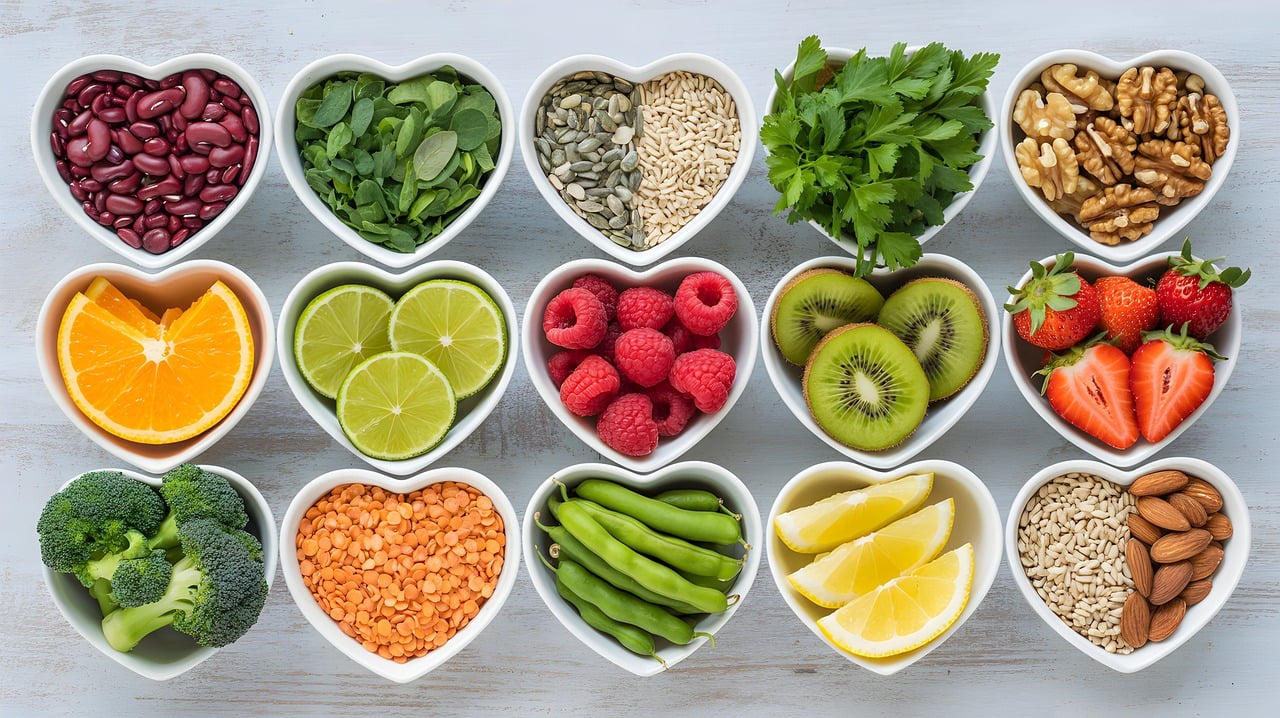
Balancing your meals is crucial in achieving a successful low-GI diet. Ensuring your meals include an adequate ratio of carbohydrates, proteins, and healthy fats can help you feel full longer. A good principle to follow is the half-plate method: fill half of your plate with vegetables, a quarter with protein, and a quarter with low-GI carbohydrates. For instance, pairing grilled chicken with a side of steamed broccoli and quinoa offers a satisfying choice without spiking your blood sugar levels. Additionally, legumes like lentils or chickpeas are excellent for protein and fiber. Include healthy fats from avocados, nuts, or olive oil for added nutrition that promotes satiety. Avoiding sauces or dressings with added sugars is essential. Instead, opt for homemade dressings using balsamic vinegar or lemon juice, ensuring you keep the overall glycemic index of your meal low. Prioritize seasonal vegetables, as they often contain more nutrients and flavor, making your meals healthier and more enjoyable.
Storage is essential when meal prepping for a low-GI diet. Use your freezer advantageously to store cooked grains and proteins. Prepare some meals in advance so that they are ready to heat and eat when your schedule gets busy. You can also prepare snacks that align with your low-GI goals. For example, create portions of hummus paired with veggies or whole-grain crackers. These snacks provide sustained energy without causing blood sugar spikes. Keeping nutritious snacks on hand is crucial to preventing temptation from high-GI quick fixes you might encounter during busy days. Don’t forget to incorporate eggs into your meal prep. They are not only low-GI but also incredibly versatile and easy to prepare in bulk. Hard-boil several and store them in the fridge for a quick protein option. Using these easy and accessible snacks helps maintain even energy levels throughout your day while aligning with your dietary requirements.
Utilizing Seasonal Ingredients
Seasonal ingredients often taste better, are fresher, and can be less expensive, enhancing your low-GI meal choices. Regularly visiting local farmers’ markets provides a treasure trove of options that can inspire your weekly meal prep. Seasonal vegetables and fruits come with naturally lower glycemic loads, making them perfect for your meal plans. For instance, spring vegetables like asparagus and snap peas are excellent choices, while winter squash is fantastic during the colder months. By focusing on what is in season, you can provide variety and nutrients to your meals. Always choose local products when possible, as they are usually harvested at peak freshness. This ensures the maximum flavor and nutritional value for better health. Incorporating diverse seasonal produce fosters creativity in your meal prep as you experiment with different flavors. You can also grow your herbs for additional freshness! Having these available while cooking can elevate the taste of your low-GI meals dramatically, keeping you engaged in cooking and healthier meal habits.
Keep track of your progress to remain committed to your low-GI meal prep routine. Utilize meal prep apps or simple journals to document what you eat throughout the week. Record any improvements you notice in your energy levels and how satiated you feel after meals. Monitoring your nutrition can highlight where adjustments are necessary. With this awareness, you can ensure you commit to your low-GI lifestyle effectively. Noticing these improvements will motivate you to stick to that wholesome habit. Additionally, share your experience with friends or family pursuing similar dietary goals. Creating a community around healthy eating fosters motivation and provides accountability. Group efforts can help maintain your personal achievements and inspire others, making healthy living more enjoyable. You can even exchange recipe ideas with them, further enriching your low-GI meal repertoire. Remember, your journey towards a healthier lifestyle takes consistency and awareness, but with proper preparation, it can be a delightful experience.
Encouraging Mindful Eating
Mindful eating is an important concept to incorporate into your low-GI diet. Slow down during meals to fully savor the taste, texture, and aroma of the food you consume. This practice not only enhances the overall experience but also improves your digestion and blood sugar control. Chewing thoroughly and appreciating the flavors can help you realize when you feel satisfied, preventing overeating. Try to avoid distractions while eating, such as watching TV or using your phone; instead, focus on your meal and the process of eating mindfully. Furthermore, paying attention to portion sizes is crucial to uphold low-GI principles. Using smaller plates may trick your brain into thinking you are consuming more. Additionally, aim to consume foods in their natural state more often, emphasizing whole foods over processed alternatives. This will promote healthier eating habits while ensuring you maintain consistent energy levels throughout your day. Mindful eating encourages greater awareness of food choices and their effects on health, aligning perfectly with a dedicated low-GI lifestyle.
Finally, staying consistent with your low-GI meal prep requires determination and effort. You can maintain motivation by joining forums or social media groups centered around healthy eating and low-GI lifestyles. Connecting with like-minded individuals fosters a supportive network where you can share experiences. Celebrating your achievements and discussing challenges can motivate you further while providing innovative ideas for keeping your meals fresh and exciting. Remember, this lifestyle change is a gradual process. Celebrate small victories along the way because every step taken is progress! Also, regularly reassess your meal prep strategy to incorporate new foods and techniques you learn from fellow group members. Always initiate fresh cooking methods to reduce boredom with your meals and encourage variety. Remember to involve family members in your meal prep, as they can bring great ideas and perspectives while making the experience enjoyable. In conclusion, meal prep for a low-GI diet is not only manageable but can also be exciting and fulfilling. Embrace the journey, commit to your health, and enjoy the delicious meals you create.