
Integrating Habit Tracking Apps with Wearables for Enhanced Fitness Monitoring
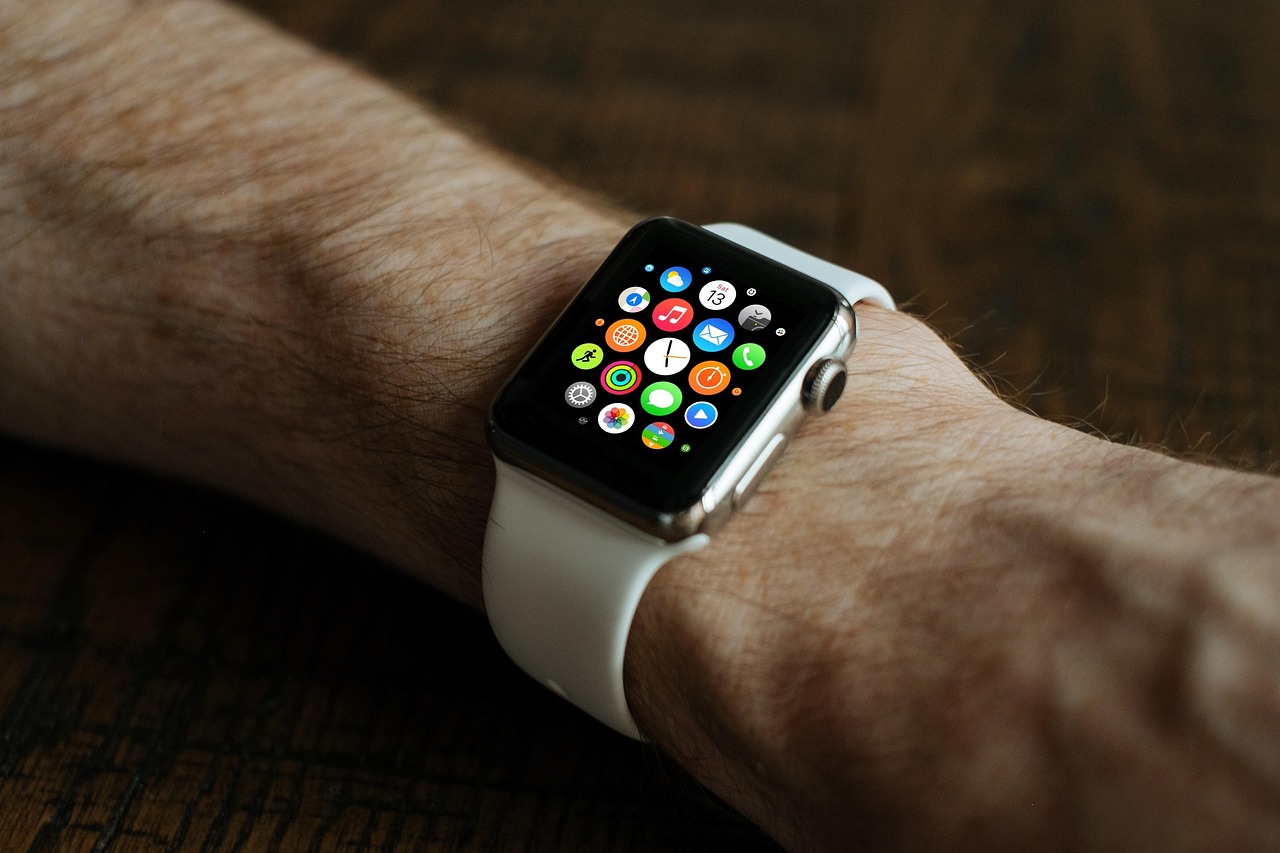
Track your habits with precision by integrating habit tracking apps with wearables. Today’s technology allows for seamless data transfer, leading to better fitness outcomes. Devices like smartwatches and fitness bands not only monitor physical activities but also provide insight into your daily habits. By utilizing these wearable devices, users can track their progress in real time, ensuring that their fitness goals are not just set but actively pursued. Wearables offer functionality beyond simple tracking; they also provide notifications, reminders, and motivational prompts. This integration creates an efficient ecosystem where fitness data is collected and analyzed. Data such as step count, heart rate, and sleep quality are directly linked to the diligent habit tracking on apps. This synergy can bolster your awareness of your fitness journey, leading to better health choices. Ultimately, integrating these technologies will help promote sustainable lifestyle changes. The ease of access to data enables users to adjust their behaviors based on the metrics provided. Therefore, maximizing the usage of these apps can directly influence your fitness path.
Benefits of Using Wearables for Habit Tracking
Using wearables for tracking habits presents numerous benefits that enhance your fitness journey. First and foremost, real-time analysis of your activities allows for immediate adjustments. With live feedback on your progress, you can make informed decisions. A major advantage is the motivational aspect. Receving constant updates and achievements push users to stay committed to their goals. This accountability not only boosts confidence but drives a sense of accomplishment. Additionally, wearables often come equipped with reminders for activities, keeping you on track throughout the day. Another compelling reason is the comprehensive data they gather. Most apps consolidate this information into easy-to-understand formats, which help users identify patterns in their behaviors. You can clearly see how habits correlate with fitness levels, providing insights into necessary changes. The UI of these apps typically offers social sharing options, allowing you to connect with friends or communities for added encouragement. Finally, the ability to measure sleep patterns through wearables helps in understanding recovery periods, which is essential for habit formation and overall fitness improvement.
To maximize the effectiveness of habit tracking apps, syncing them with wearables is essential. This process usually involves linking your devices through Bluetooth and ensuring both are updated. Many fitness apps offer built-in compatibility with popular devices such as Fitbits, Apple Watch, and various Android wearables. Ensure that you have the latest version of the app, as improvements in functionality typically enhance tracking accuracy. Once paired, these devices allow for synchronized data collection, making it easier to analyze your actions on a daily or weekly basis. The visual representation of your data will show patterns, aiding you in adjusting your goals systematically. Setting specific, measurable targets becomes achievable when data integrates seamlessly. Additionally, be sure to explore the advanced settings within these apps. Customizing your preferences, such as the types of notifications or alerts, will enhance engagement. Professional advice often emphasizes setting achievable goals aligned with tracked data. Taking time to adjust the tech to your personal preferences ensures it becomes an invaluable tool for habit tracking and fitness monitoring.
Popular Apps for Habit Tracking with Wearables
There are several apps that excel in integrating habit tracking with wearable technologies. Some of the most well-regarded applications include MyFitnessPal, Strava, and Habitica. MyFitnessPal stands out for its comprehensive tracking abilities, allowing users to log food intake and exercise seamlessly while synchronizing with wearables. Strava is ideal for those focusing on running and cycling, providing detailed metrics related to performance and progress. For a gaming approach, Habitica turns habit forming into an engaging experience through quests and rewards based on your activity. Each of these apps offers unique features tailored to diverse fitness goals, providing an array of tracking options. Explore features like custom targets and social connectivity to enhance your experience. Notably, most provide insights based on gathered data, making adjustments easier. By using these applications, users can fine-tune their habit formations and align them with fitness pursuits. Take time to find an app that resonates with your methods and remember to sync regularly with your devices to fully utilize the potential of this technology.
To facilitate long-term habit formation, combining habits with fitness goals is key. Establishing a routine that includes both structured workouts and daily habits can significantly impact overall health outcomes. Start with small, achievable milestones, focusing on one habit at a time to avoid overwhelm. Consistency is crucial; wearable devices serve as daily reminders and performance feedback to help maintain focus. Consider integrating practices like hydration and meditation into your fitness regime. By connecting these habits with your fitness tracker, you create a holistic approach to well-being. The displayed metrics will motivate you, providing insights into how improved habits reflect on physical performance. Over time, users can assess the long-term health impacts of monitored habits through historical data analysis. Review patterns in your behavior to keep adapting your fitness plans as necessary. Building a community around these practices can further reinforce habit formation, where participants share their progress. Find local or online groups with similar goals to enhance accountability. Engaging with others creates a support system, making it easier to stay committed to your fitness journey.
Challenges of Integrating Wearables with Habit Tracking
Despite the benefits, integrating wearables with habit tracking is not free from challenges. A common challenge users face is the potential for data overload. With excessive metrics being collected, it can become overwhelming to distinguish between valuable insights and extraneous information. Users may also struggle with device compatibility across various platforms, leading to frustration. This disconnect often results in poor data syncing, which detracts from the operational efficiency. Another issue is motivation; while data can be motivating, discrepancies between progress and expectations can lead to demotivation. Users might become discouraged if they perceive they are not making sufficient advancements. Additionally, some individuals may habitually forget to wear their devices or charge them, leading to gaps in data collection. The importance of forming habits shouldn’t solely rely on technology. It’s essential to maintain a balance between relying on tech and intrinsic motivation. Lastly, privacy and data security remain a concern. Users must know how their data is handled and whether the app has robust security measures in place.
Successful integration of wearable technology with habit tracking apps hinges on several best practices. One effective strategy involves regular engagement with your data insights to establish a deeper connection. Review your progress weekly or bi-weekly and adjust your goals accordingly. Create a visual representation of your achievements to proactively confront challenges. Utilize app notifications to remind yourself of tasks, ensuring you maintain accountability. This practice encourages users to stay committed to their goals, eliminating complacency that can emerge. Another essential aspect is to leverage the community features of these apps. Engage with fitness forums or group challenges to keep momentum high. Sharing your successes and struggles fosters a supportive environment that promotes habit formation. Lastly, consider journaling alongside using these apps for self-reflection. Writing down feelings or experiences related to your fitness journey provides insights that raw data can’t capture. Combining qualitative data with quantitative insights from wearables enriches the understanding of habit formation. This approach not only bolsters motivation but also highlights key areas for improvement in your fitness regimen.