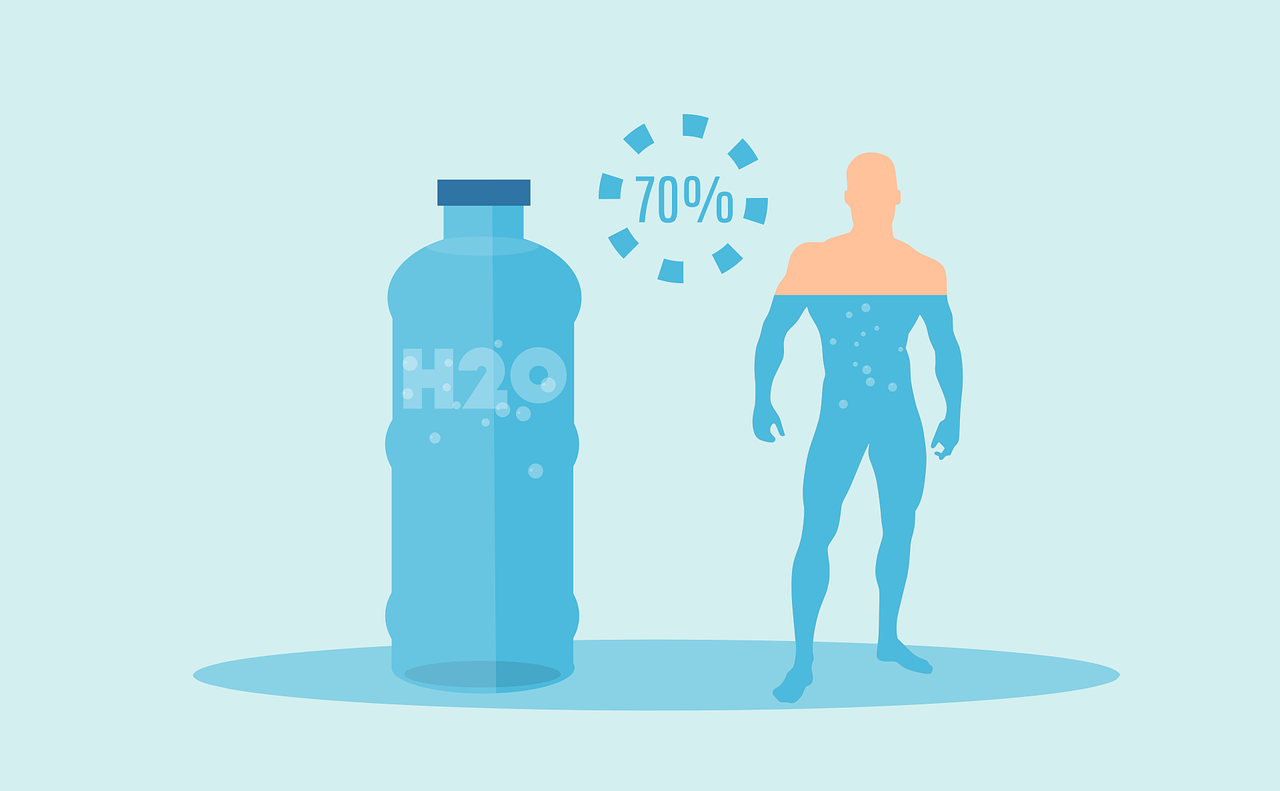

Hydration Hacks: Managing Water Intake in Peak Week
Navigating peak week for bodybuilding competitions can be overwhelming, especially when it comes to hydration. Proper management of fluid intake can significantly influence how you look and feel on stage. One key strategy is to gradually lower water intake throughout the week. This helps to manipulate your body’s water levels safely. It’s also important to monitor sodium levels, as sodium plays a vital role in water retention. Reducing sodium intake can assist in flushing out excess water but must be approached cautiously. The body responds differently to hydration changes, so staying aware of how your body feels is crucial. Test various hydration strategies as part of your preparation to find what works best for you. Another important aspect is timing your fluid intake—bigger quantities should be consumed earlier in the week, tapering to smaller amounts closer to the competition. Always aim for a balanced approach, combining hydration management with nutrition and training adjustments. Consulting with a coach or nutrition expert can provide customized strategies tailored to your needs.
The importance of electrolyte balance in peak week cannot be overstated. As you manage your water intake, consider the role of electrolytes, particularly sodium and potassium. These minerals help regulate fluid balance in your cells and can prevent dehydration, which may impact performance and appearance. Consuming foods rich in potassium, such as bananas and spinach, can support optimal hydration. However, be careful not to overconsume sodium, as this can lead to unwanted water retention. Throughout the week, assess how your body reacts to hydration adjustments. This can help you determine optimal levels of sodium and potassium for your needs. Many bodybuilders will also temporarily reduce carbohydrate intake closer to the event, which can further influence water management. As glycogen stores deplete, each gram of glycogen is associated with water retention. This means that the timing of carb intake can affect how lean or full you look on stage. Pay attention to how your body looks in the mirror after meals, adjusting your food and water accordingly to refine your visual presentation.
Pre-Competition Hydration Strategy
Creating an individualized hydration strategy for peak week is key for every bodybuilder. Start by tracking your water intake leading up to this critical period. Keeping a hydration journal can help you visualize your progress and identify any adjustments needed. During the first half of the week, increase your water intake to ensure cells are fully hydrated. However, in the later stages, you will want to taper down. Make hydration changes gradually, allowing your body to adjust comfortably without significant stress. Monitoring your urine color can serve as a helpful guide; light, pale yellow usually indicates proper hydration. If it becomes darker, increase fluid consumption. Experiment with different hydration sources such as coconut water, which provides natural electrolytes and tastes refreshing. Be cautious with caffeine and alcohol, as they can lead to dehydration. Adequate sleep and rest also play important roles in recovery and overall performance. Ensuring your body stays rested while managing hydration creates a harmonious balance, leading to peak performance on stage.
Another factor to consider is the temperature at which you consume your fluids. Many bodybuilders prefer room-temperature water over cold water, believing it aids digestion and absorption. Experiment with warming your drinks slightly. Additionally, consider introducing electrolyte beverages to help replenish lost minerals during your peak week. This is especially helpful if you find yourself sweating more than usual during workouts. Some individuals enjoy electrolyte packets that can be mixed into water, providing flavor while maintaining hydration. Balance is essential; don’t get carried away with electrolyte drinks, as excessive sodium can counteract your hydration efforts. Experiment beforehand to see how your body reacts to different brands of electrolyte mixes. As competition day approaches, ensure that you’ve considered and tested all aspects of your hydration plan. From foods to drinks, creating a checklist can help you stay organized and avoid confusion. Pay attention to how your body feels after adjusting water intake as needed to achieve optimal results. This preparation will position you well for presenting your best physique while managing hydration effectively.
Day Before Competition
On the day before competition, fine-tuning your hydration strategy becomes critical. Many competitors opt to significantly reduce their water intake within the last 24 hours leading up to the event. This step is often referred to as a “water cut.” Carefully track how much water you have consumed in the days leading to this point, ensuring you’re not overdoing it. This practice can enhance muscle definition and vascularity on stage, yet it should always be approached with caution. Individual responses to a sudden decrease in water intake may vary from one person to another. During this crucial timing, many athletes may consume small amounts of fluids strategically to maintain electrolyte levels. Some experts recommend using small sips of water rather than large gulps. Gonstructing a personalized hydration schedule for the day before may be beneficial. Utilize various hydration sources, ensuring you have plain water, electrolyte drinks, and possibly nutrient-dense solutions to aid your body recovery. Keep hydrating in a balanced manner to prevent unnecessary cramps or dehydration on stage.
As the competition day arrives, remember that every body reacts differently to hydration changes. On this day, some competitors may choose to limit their water intake, sipping only as needed to stay hydrated. However, it’s crucial that you listen to your body signals to avoid dehydration. Some find that consuming lighter fluids such as coconut water or an electrolyte drink mixed with water works well, retaining sufficient hydration without discomfort. Preparing your body by consuming light, easily digestible foods can complement this strategy, ensuring energy levels remain balanced throughout the day. Ensure you’ve educated yourself on how your body reacts to various hydration levels. By knowing your norms, you can make informed decisions throughout this period. Never try anything new on competition day, though. Stick to what you’ve practiced and found successful in previous workouts. As you prepare to showcase your hard work, remember that proper hydration is integral to giving your best performance, both visually and physically. Mental focus paired with a solid hydration strategy can set you up for a successful day.
Post-Competition Recovery
After the competition, managing hydration remains vital as your body transitions back to usual protocols. Initially, it’s common for competitors to feel depleted, both in energy and hydration levels. Start by gradually reintroducing water, noting how your metabolism responds during recovery. Maintaining electrolyte balance during this recovery period will play an essential role in preventing cramping or fatigue. Begin hydrating with water, but also consider incorporating electrolyte-rich drinks that can quickly help to replenish minerals lost during intense competition. Foods that are high in water content, such as watermelon and cucumber, can assist as well. As you eat post-competition meals, aim for a balanced approach, including protein, carbohydrates, and healthy fats for recovery. Gently monitor your hydration levels as you return to training, assessing your needs based on activity levels. Recovery hydration usually sees a calming of focus from peak week strategies toward a more sustainable approach. Remember to listen to your body’s cues as it adjusts after competition. Ultimately, perfect hydration practices will set the stage for future success as you return to your training regimen.
In conclusion, hydration during peak week in bodybuilding competitions is a nuanced strategy that requires personal experimentation and modification. From tapering water intake to ensuring electrolyte balance, every decision influences overall performance and visuals on stage. Balancing fluid consumption and timing can make a distinct difference in how you present your physique. As you approach competition day, listen to your body and trust your instinct when adapting hydration strategies. Always follow through with a practical recovery plan to promote your body’s necessary transition. This practice ensures hydration doesn’t cease post-competition but rather becomes a routine part of your training. Education on hydration tactics and fluid management positively impacts performance for both competitors and enthusiasts alike. Be sure to assess the effects of your choices; track strategies that yield the best results for your unique physiology. With experience and review, you will develop your hydration approach over time. Focus, dedication, and a personalized hydration strategy will lead you to elevated success in bodybuilding competitions.