
How Yoga Helps Artists Manage Stress and Inspire Creativity
Art is often an emotional journey, leading to high levels of stress and anxiety that can impact creativity. Artists face the challenge of balancing their passion with pressures, including deadlines and societal expectations. Yoga presents an effective tool for managing this stress. It guides artists to focus on their bodies and breath, allowing them to disconnect from external distractions. This practice helps cultivate a mindful presence, which can rejuvenate creative energy. By practicing yoga, artists learn the importance of slowing down. As they engage in various postures and breathing techniques, they develop a heightened awareness of their thoughts and emotions. This, in turn, leads to enhanced self-expression. Incorporating yoga into their routine assists in releasing tension accumulated in their bodies and minds, further fueling their creative processes. Moreover, the relaxation techniques learned in yoga can provide artists with the calmness needed during intense creation periods. It promotes resilience and clarity, allowing imagination to flourish in a less stressed environment. Consequently, yoga not only helps manage stress but also fosters a deeper connection to their artistic integrity and creative impulses.
The Role of Mindfulness in Creative Expression
Mindfulness, at its core, promotes awareness and presence in every moment. In yoga, mindfulness is cultivated as individuals connect their breath with movement. This practice encourages artists to observe their thoughts without attachment. By doing so, they can identify sources of stress that hinder their creativity. As a result, artists can draw inspiration from their surroundings and internal states more effectively. Furthermore, mindfulness allows artists to embrace mistakes as part of the creative process. When an artist is mindful, they become more receptive to new ideas, which could lead to unexpected breakthroughs in their work. For instance, rather than striving for perfection, an artist practicing mindfulness may find beauty in uncertainty. Additionally, mindfulness nurtures a sense of self-compassion, which is vital for creativity. It enables artists to approach their work with curiosity rather than fear. This shift in perspective creates a nurturing environment for creativity to thrive. As they explore their artistic identity, artists become lighter, more joyful, and open to experimentation. Mindfulness coupled with creativity could thus be the key to a fulfilled artistic journey.
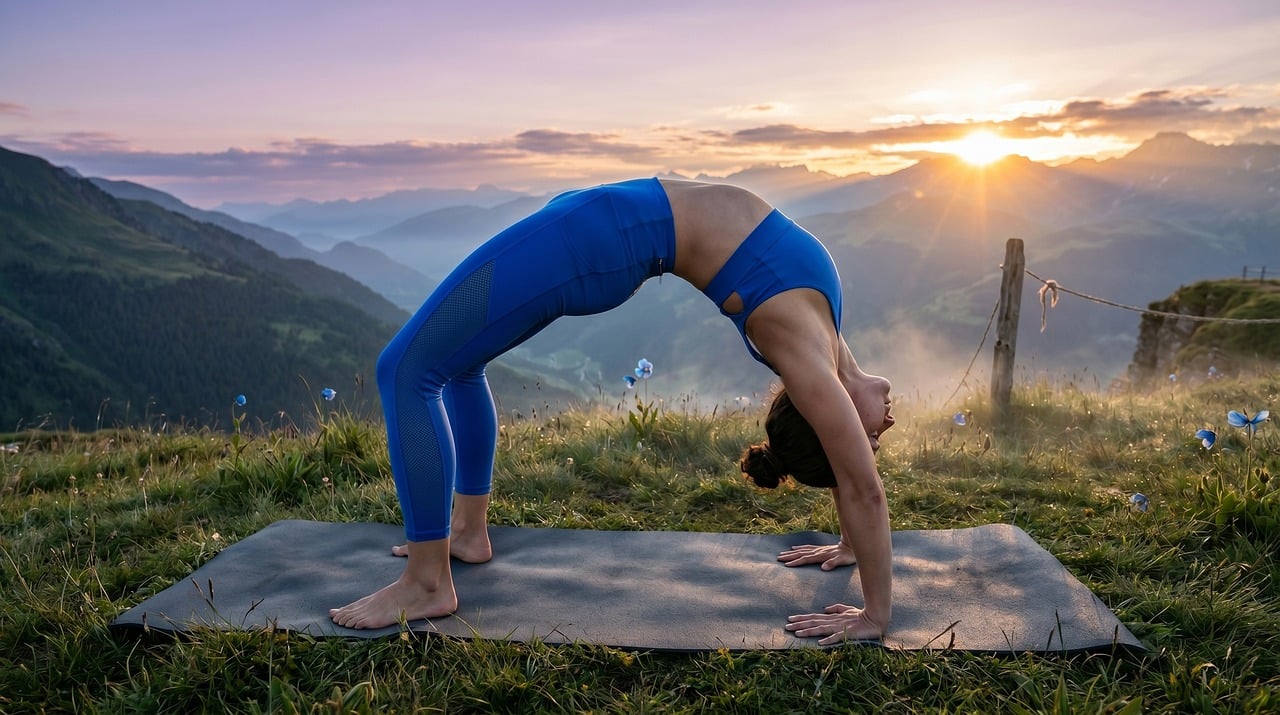
Yoga practices encompass a range of techniques that can specifically benefit artists. These techniques include breath control, physical postures, and meditation, all of which can transform creative energy. The practice of physical postures, or asanas, offers artists a way to work through bodily tensions. Such tensions can stem from hours spent hunched over canvases or instruments. By releasing this tension, artists can enhance their physical well-being. Additionally, breath control, known as pranayama, facilitates improved focus and concentration. It equips artists with the ability to center themselves, making it easier to engage with their craft. The calming effects of meditation further aid in clearing mental fog. This mental clarity allows for improved thought organization and the development of new ideas. Artists can utilize these techniques to establish a daily practice that fosters creativity. As a result, they can harness their energy more effectively, contributing to a better flow in their creative pursuits. The fusion of yoga with artistic practices highlights how interconnected the body and mind are in nurturing creativity.
Enhancing Focus and Concentration
Focusing on artistic tasks can often be challenging, especially in a world filled with constant distractions. By regularly practicing yoga, artists can develop stronger concentration skills. Yoga requires individuals to maintain their focus on breath and body movements, which naturally trains the mind to stay present. This enhanced focus can be directly transferred to the artistic process. With dedicated yoga practice, artists can reduce the mental clutter that typically causes distractions. Traditional distractions, such as smartphones and social media, can pull attention in various directions. However, when an artist is attuned to their physical state, they become less susceptible to these interruptions. Consequently, they can devote their complete attention to their creative expression. Furthermore, yoga promotes the integration of both small and large muscle groups, leading to improved body awareness. This connection between body and mind further supports sustained focus during artistic endeavors. All of these aspects work together to create an environment where creativity is nurtured and allowed to flow freely. Ultimately, a focused mind is a fundamental aspect of achieving fulfilling artistic pursuits.
In addition to improving concentration, yoga can also facilitate collaboration among artists. Collaborative art forms often require strong communication and teamwork, both of which can be enhanced through yoga practices. Engaging in group yoga classes encourages individuals to connect on a deeper level, fostering trust and empathy among participants. Artists who practice together can share their experiences, contributions, and unique perspectives in a safe space. This sense of community cultivated through shared experiences further promotes creativity. Group dynamics also allow for a supportive exchange of ideas, leading to innovative projects. Moreover, shared yoga practices can result in laughter and relaxation, lightening the atmosphere for brainstorming sessions. This camaraderie often turns into lasting friendships that fuel mutual artistic growth. Artists can derive inspiration from one another, leading to the creation of collaborative artworks that would not be possible individually. By balancing their time between personal practice and collaboration, artists can find fulfillment both within themselves and with others. Ultimately, yoga serves as a bridge that connects artists through compassion, creativity, and collaboration.
Building Resilience through Yoga
Artists frequently encounter challenges, including creative blocks or negative feedback, which may lead to feelings of discouragement and frustration. Yoga equips individuals with tools necessary for building emotional resilience. By engaging in regular practice, artists learn how to navigate their emotions effectively. This training prepares them to cope with setbacks without losing their creative drive. Yoga’s emphasis on self-awareness allows artists to recognize how their thoughts influence their emotional well-being. With newfound awareness, artists can challenge negative thought patterns, replacing them with positive affirmations and practices. Through yoga, the process of self-reflection and self-acceptance becomes more manageable, fostering a wholesome mindset. Furthermore, the physical aspects of yoga, such as strength-building asanas, metaphorically parallel the resilience needed in life and art. As artists build physical resilience, they also develop mental tenacity. By honing these skills, artists are more likely to persevere through creative challenges, allowing growth in their artistry. The circle of resilience continues to grow as artists become more adept at managing stress while nurturing their creative spirits in harmony.
Ultimately, yoga can revolutionize the way artists approach their craft. By embodying the principles of yoga, artists may discover a renewed sense of purpose and passion for their work. Practicing yoga empowers individuals to connect with their authentic selves, allowing for more genuine artistic expression. The transformative journey is reflected in their work as they embrace the ideas of imperfection and spontaneity. Artists become more willing to experiment with various styles, techniques, and concepts without fear of judgment. This willingness promotes authenticity, allowing artists to freely explore their creative potential. Additionally, the improved physical and mental well-being cultivated through yoga supports longevity in one’s artistic career. With sustained practice, artists can find ways to keep their passion alive while managing stress effectively. Ultimately, they become more than just artists; they become creative catalysts promoting beauty and inspiration in the world around them. The fusion of yoga and artistic endeavors paves the way for holistic growth. Therefore, professionals and individuals alike can benefit from incorporating yoga into their daily routines for enhanced creativity and well-being.
The journey of integrating yoga into an artistic lifestyle can begin with small steps. Artists can start by dedicating just a few minutes each day to breath awareness and gentle stretches. As they progress, they can explore different yoga styles and find a practice that resonates with their unique needs. Joining local yoga classes or online sessions can provide additional motivation and social interaction. Furthermore, incorporating short meditation sessions before or after creative work can maximize productivity. Gradually, artists may find that these practices become essential components of their creative routine. It is significant to listen to one’s body and adjust the practice based on how they feel. Flexibility in approach encourages a sustainable connection to yoga, making it more enjoyable. As artists embark on this journey, they should remember the importance of patience, as it may take time to see results. Keeping a journal to track their experiences and growth can also help individuals reflect on their journeys. This journaling process often leads to valuable insights that further enrich their artistry. Ultimately, the journey of integrating yoga into their artistic life could be one filled with joy, inspiration, and profound connection.