
How to Track Flexibility Progress in Gym Workouts
Flexibility is an essential component of fitness that significantly impacts overall performance in workouts. To track flexibility effectively, start by assessing your current range of motion through various stretches. Use a flexibility assessment tool to yield quantifiable data regarding your progress over time. It’s beneficial to maintain a flexible schedule for flexibility training, integrating it with your regular workout routine. Focus on dynamic stretches before workouts and static stretches afterward. These practices can help improve your flexibility and decrease your chance of injury.
Another effective method is to keep a workout journal. Record every flexibility-related activity such as routine stretches, durations, and their perceived difficulty. By documenting your experiences, you can identify trends. To bolster long-term progress, set specific flexibility goals. For instance, aim to increase the distance between your hands while doing a toe touch or reduce the time taken to perform a split. Implement weekly evaluations to measure these goals and adjust your stretches accordingly, prioritizing those that yield the highest improvements over time.
Utilizing Technology for Tracking
In the digital era, technology can play a vital role in tracking your flexibility progress. Various apps can help you log your activities and set reminders for your stretching sessions. Video recording your performances can offer valuable insights as well. By reviewing past recordings, you can observe improvements in flexibility techniques or pinpoint areas requiring further attention. Some apps can also connect to wearable devices, enabling you to monitor your muscle tension and recovery times, thus enhancing your flexibility training.
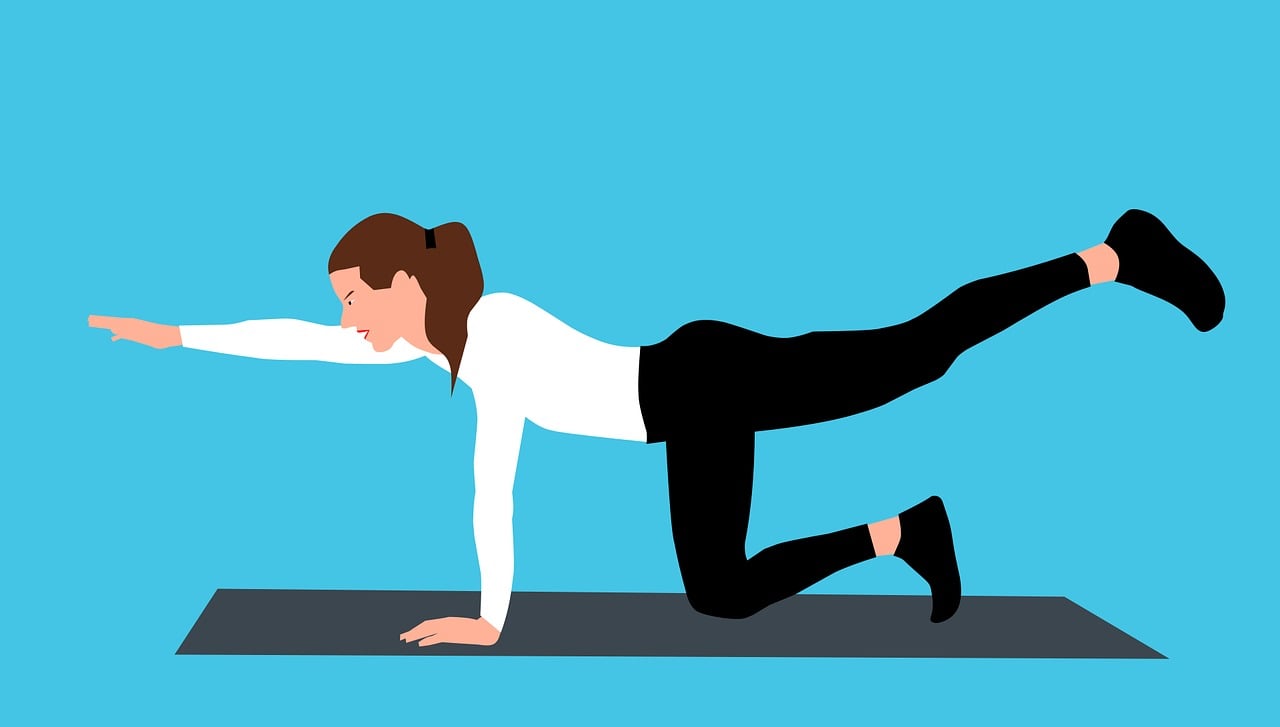
Incorporating flexibility workouts into practice can significantly improve your overall mobility. By consistently participating in yoga or Pilates, you can enhance your body’s flexibility significantly. Furthermore, aligning these workouts with your strength training sessions can create a more holistic approach to fitness. It may seem hard initially; however, consistency is key. Making flexibility training a lucrative part of your gym day helps maintain motivation and strengthens your desire to track progress efficiently and effectively.
Creating a Personalized Flexibility Routine
Crafting a personalized flexibility routine can be immensely beneficial. Tailor your workouts to include stretches targeting tight muscles specific to your exercises. For instance, if you frequently engage in leg workouts, prioritize hip flexors and hamstring stretches to avoid muscle tightness. By listening to your body, you can adjust your routine, focusing on areas that need improvement. Engaging in regular flexibility assessments will allow you to recognize improvements and adjust difficulty levels in your training.
Another important aspect of tracking flexibility progress is to identify your peak performance times. Research shows that muscle temperature, time of day, and eating habits can impact performance capabilities. By honing in on the best times to perform stretching exercises, you can increase your body’s adaptability. Ensure you’re well-hydrated and warmed up before embarking on stretching or flexibility routines to enhance effectiveness and safety. This consideration will yield better results in both short- and long-term assessments of flexibility progress.
Listening to Your Body’s Feedback
Successful tracking of flexibility hinges on listening to your body’s feedback. Pay close attention to how different stretches feel and identify any discomfort or pain levels associated with specific movements. Don’t ignore your body’s signals for rest during intense flexibility sessions. Sharing your records or feelings with a fitness professional can offer additional perspectives on your flexibility journey. Engaging in dialogue with experts can illuminate best practices and helpful patterns to solidify your approach to flexibility training.
Implementing all these strategies in tandem will help you accurately track and improve your flexibility in the gym. Regular evaluations and the incorporation of technology can provide significant insights. Incremental muscle improvement is essential; thus, setting short-term and long-term goals can serve as motivation. Remember to celebrate small victories as they lead to greater mastery. By embracing these practices consistently, you can achieve substantial flexibility gains. In the end, tracking your flexibility will not only help you, enhance your workouts, but also contribute to a healthier lifestyle.