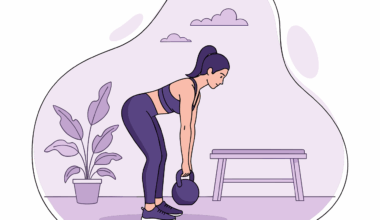

HIIT for Muscle Building: Gender-Specific Considerations
High-Intensity Interval Training (HIIT) has rapidly gained popularity as an effective method for both burning fat and building muscle. In this section, we will explore how HIIT can be adapted to meet the muscle-building goals of different genders. HIIT focuses on short bursts of intense exercise followed by rest or low-intensity periods. This method not only promotes muscle growth due to the intensity but also boosts metabolic rates. Men typically have higher testosterone levels, aiding muscle hypertrophy. Consequently, they may find traditional muscle-building exercises effective when combined with HIIT modalities. Conversely, women, with generally lower testosterone levels, can achieve muscle definition and endurance improvements through specifically tailored HIIT routines. By including strength-based intervals, women may still develop lean muscle mass. Moreover, adjusting rest periods between intervals or including bodyweight resistance exercises can significantly enhance the stimuli for muscle adaptation. It’s essential to recognize that both men and women can enjoy the benefits of HIIT tailored specifically to their needs. Ultimately, understanding gender-specific responses to HIIT is crucial for optimizing muscle-building outcomes.
In terms of exercise selection, women and men may benefit from different types of HIIT workouts. For males, HIIT programs that incorporate compound movements, such as squats, deadlifts, and bench presses, alongside explosive exercises, can effectively promote strength. Including these in circuits has proven to maximize testosterone responses. For females, emphasizing high-rep strength elements with lighter weights can lead to endurance and hypertrophy. This can be achieved through circuits mixing bodyweight exercises like push-ups or lunges at high intensity. Furthermore, both genders can focus on increasing workout volume over time. This gradually allows for progressive overload, essential for building muscle effectively. Besides, varying the interval durations can also affect the training outcomes. Longer high-intensity intervals with shorter rest periods might be ideal for building strength, while shorter intervals might enhance endurance capacities. Moreover, integrating plyometric exercises in the HIIT routine can stimulate rapid muscle contractions and growth hormones as well. The suitability of exercises within HIIT for muscle gain matters, advocating strong adaptations in both genders.
Nutrition for HIIT Muscle Building
Proper nutrition is vital for anyone looking to build muscle through HIIT. Tailoring diet plans to support high-intensity workouts can immensely impact results. For both men and women engaging in HIIT, a balanced intake of protein, carbohydrates, and fats can fuel high-level training efforts and recovery. Protein intake should be prioritized, as it aids in muscle repair and growth. Consuming around 1.6 to 2.2 grams of protein per kilogram of body weight daily ensures adequate recovery and adaptation. Carbohydrates serve as a primary energy source, facilitating intense workout sessions. It’s recommended to consume complex carbohydrates beforehand for optimal performance. Additionally, working towards a proper caloric surplus can significantly benefit men aiming to build bulk, while women should focus more on quality rather than quantity. Moreover, post-workout meals should consist of combinations of protein and carbs to replenish glycogen stores and promote muscle recovery. Also, staying hydrated plays an essential role in muscle function and recovery. Understanding optimal nutritional strategies related to HIIT training can drive muscle-building results for anyone participating in this high-intensity model.
Moreover, women may face unique nutritional challenges when participating in HIIT for muscle gain. Due to different hormonal cycles, it’s crucial for women to tailor their nutritional intake to their physiological states. For instance, phases like the follicular phase often require slightly different macronutrient distributions compared to the luteal phase. Women may better utilize carbs in the follicular phase for higher intensities and training, aiding muscle performance and recovery. In contrast, focusing more on protein and healthy fats during the luteal phase can better manage energy fluctuations. Men can generally consume a steady high-protein diet focusing on lean meats, dairy, and legumes. However, both genders should consider micronutrients, such as iron, calcium, and vitamin D, vital for optimal physical performance. Adequate levels support bone health and muscle function, particularly under high-stress exercise conditions. Planning meals around HIIT workouts ensures that individuals meet nutritional needs, allowing optimal training adaptations. Taking these factors into account facilitates more efficient muscle-building efforts and promotes better overall health in the process.
Recovery in HIIT Muscle Building
Recovery time and strategies are essential to maximize the results achieved through HIIT for muscle gain. Muscle building occurs during rest periods as recovery allows muscle tissue to repair and adapt to stress. Insufficient recovery could result in overtraining, which might hinder muscle growth and even lead to injury. It is vital for both men and women to incorporate active recovery days within their HIIT programs, employing low-intensity workouts that boost blood flow without causing additional strain. Ensuring adequate sleep is crucial for recovery processes as sleep directly influences hormone levels and muscle repair. Aiming for 7-9 hours of quality sleep promotes efficient recovery. Additionally, stretching, foam rolling, and hydration aid in muscle recovery and prevent soreness post-training. Various recovery methods can enhance overall performance, reinforcing the significance of rest days in any muscle-building routine. Another element is monitoring feelings of fatigue and adapting the training plan accordingly. Listening to the body is sometimes crucial for preventing burnout, and including rest days tailored to individual needs can yield tremendous long-term performance improvements and results.
In conclusion, adapting HIIT for muscle building encompasses several factors, including gender-specific approaches, tailored nutritional intake, and recovery strategies. Understanding that men and women experience different benefits and challenges ensures that HIIT can be effectively utilized for muscle development. Men often thrive on high-intensity training, integrating compound lifts, while women benefit from lighter weights with higher repetitions. Furthermore, both genders should be aware of the importance of a well-rounded diet rich in proteins and carbohydrates that align with their unique training requirements. Lastly, prioritizing recovery not only amplifies results but also fosters a sustainable approach to fitness. Practicing these principles promotes a healthy relationship with HIIT and long-term success in muscle building. Remember that every individual is different; staying adaptable in approach is key for anyone pursuing muscle-centric goals. Therefore, HIIT workouts could provide an efficient and enjoyable way for both genders to build muscle while also improving their overall fitness levels, making the experience valuable, engaging, and rewarding for everyone involved.
Finally, as fitness trends evolve, HIIT remains a popular choice for muscle building and overall health. Continuous research will further explore the relationships between gender, HIIT, nutrition, and recovery strategies. Therefore, staying informed about new evidence can help tailor training programs more effectively. This adaptability will allow individuals to maximize their muscle-building results over time. So, irrespective of gender distinctions, embracing HIIT is empowering, providing energy and strength to advance toward fitness goals. The journey is unique for everyone, and persisting with it will produce rewarding outcomes. Ultimately, understanding these nuances ensures that your commitment to HIIT leads to well-defined muscles, improved fitness, and a robust lifestyle. Incorporate these strategies into your workouts, enhancing both physical performance and muscle growth remarkably. With commitment and the right approach, HIIT presents an unparalleled opportunity to achieve formidable results. The potential of everyone’s body is significant; it’s about harnessing it through tailored training and nutrition. Achieving personal fitness goals is increasingly within reach, and HIIT stands at the forefront of innovative training methodologies.

By embracing the principles discussed, individuals can harness the power of HIIT effectively. Prioritizing tailored workouts that respect individual differences creates personalized experiences and enables optimum muscle growth. The journey of muscle building through HIIT should be engaging and positively transform how body responds to training. Choose workouts that resonate and continuously challenge the body, ensuring dynamic development. For more resources on HIIT programming, many guides are available online, ensuring you stay informed and adjustable in approach. By applying these insights practically, achieving muscle growth while utilizing HIIT can arguably be one of the most gratifying fitness experiences. High-intensity training can enhance muscle strength and conditioning and help you develop a healthier relationship with exercise. Therefore, with dedication and knowledge, HIIT could redefine the way individuals view muscle building in any fitness journey. True success resides in commitment, awareness of one’s body and choices, fostering long-term fitness benefits.