
Exercise Duration and Frequency: Optimizing Neuroplastic Changes for Mental Health
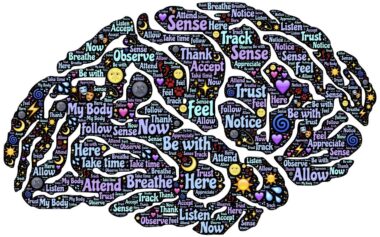
Understanding the connection between exercise duration and its impact on neuroplasticity is essential for mental health, particularly when addressing disorders such as depression and anxiety. Neuroplasticity, the brain’s ability to reorganize itself by forming new neural connections, can be significantly influenced by physical activity. Regular engagement in aerobic exercise, for example, has been shown to stimulate the production of brain-derived neurotrophic factor (BDNF), a crucial protein for the growth and maintenance of neurons. Researchers recommend a balanced approach to exercise, consisting of both duration and frequency, to maximize these neuroplastic changes and subsequently improve mental well-being. In addition to aerobic activities, incorporating strength training and flexibility exercises can also enhance overall brain function. By diversifying the types of workouts, individuals can not only promote better mental health but also prevent boredom and disengagement. The key is finding a routine that is both enjoyable and sustainable. Moreover, practical strategies can be developed to help people integrate regular exercise into their lives, paving the way for improved emotional resilience and cognitive function. It’s important to seek guidance from healthcare professionals when designing an exercise program tailored to individual needs.
Duration and frequency of exercise greatly influence neuroplastic changes, especially regarding mental health. Structuring an exercise regimen requires careful consideration of these elements to achieve desired outcomes. Research suggests that more consistent and longer durations of physical activity lead to enhanced cognitive benefits. Most studies indicate that a minimum of 150 minutes of moderate-intensity aerobic exercise weekly can effectively promote neuroplasticity. Breaking this down further, participants might aim for sessions lasting at least 30 minutes, five times a week, which is both manageable and sustainable. Furthermore, it’s crucial to incorporate short breaks during prolonged sedentary periods, as even brief bouts of activity can trigger beneficial changes in mood and cognition. Incorporating variety into the exercise program is also necessary; engaging in different physical activities can prevent plateaus in motivation and outcomes. Scheduling workouts can bolster adherence, providing physical and mental health advantages over time. As mental disorders often require ongoing management, optimizing exercise frequency can be a practical approach to complement other treatment modalities. Individuals should consult with healthcare professionals, as tailoring exercise programs to personal capabilities and preferences can maximize their benefits while minimizing risks.
Setting realistic goals is critical when considering exercise for neuroplastic benefits. Individuals may initially find it challenging to integrate consistent physical activity into their routines, especially if they are managing mental health disorders. Therefore, establishing achievable objectives can help maintain motivation. For instance, starting with short, manageable sessions of 10 to 15 minutes can allow newfound exercisers to gain confidence and gradually increase duration and intensity. Tracking progress through wearable fitness devices or apps can provide tangible outcomes that encourage continued participation. Additionally, considering peer support systems or finding a workout buddy can enhance accountability and enjoyment of the exercise experience. Moreover, individuals should tailor their regimens by including activities they enjoy, which can lead to sustained engagement. Ensuring regular assessment of personal goals against the backdrop of evolving mental health needs is paramount. These adjustments can help maintain a focus on overall well-being rather than simply measuring performance outcomes. Celebrating small milestones can serve to boost confidence and reinforce positive habits. This adaptive approach can create a cycle of positive reinforcement, ultimately leading to long-lasting changes that favor mental health improvements through enhanced neuroplasticity.
The Role of Aerobic Exercise in Mental Health
Aerobic exercise plays a significant role in shaping neuroplasticity and fostering mental health improvements. Activities such as running, cycling, and swimming can elevate heart rates, improving blood flow to the brain. This increase in circulation delivers vital nutrients and oxygen, supporting neuronal health. Many studies have demonstrated that regular aerobic exercise can lead to marked improvements in mood, anxiety reduction, and overall brain function. Notably, the consistency and intensity of aerobic exercise directly impact the extent of neuroplastic changes. Participants who engage in high-intensity interval training (HIIT) may experience even greater benefits, as this type of exercise promotes neurogenesis and cognitive flexibility. Interestingly, individuals with mental disorders have reported particularly strong responses to aerobic workouts, which can effectively serve as adjunct treatments alongside traditional therapies. Finding enjoyment in these exercises is paramount, as it enhances adherence and discourages relapse into sedentary behavior. Additionally, workplace wellness programs and community fitness initiatives can further encourage widespread engagement in aerobic activities, ultimately contributing to improved public mental health outcomes. Consequently, promoting aerobic exercise not only serves individual fitness needs but also fosters collective resilience and recovery.
Strength training, often overlooked, also plays a crucial role in supporting neuroplasticity and mental health. Engaging in resistance exercises such as weight lifting can yield impressive psychological benefits in addition to physical gains. Research indicates that regular strength training can enhance mood, alleviate symptoms of depression, and boost self-esteem. The mechanisms behind these benefits are thought to involve increased levels of neurotransmitters such as serotonin and dopamine, which are instrumental in regulating mood. Importantly, strength training can improve cognitive functioning. Studies suggest that older adults, in particular, may experience significant cognitive gains, including enhanced memory and attention. Incorporating strength training into a balanced workout routine can be particularly beneficial for individuals managing mental health disorders, as it provides a sense of accomplishment and mastery over one’s body. Furthermore, considering personal interests and preferences can facilitate adherence to these workouts. Participating in group classes or team-based activities can also foster social connections, a vital component for effective mental health management. As such, individuals looking to optimize neuroplastic changes should consider integrating both aerobic and strength training modalities into their exercise routine for amplified mental health benefits.
Flexibility and Balance Activities
Flexibility and balance exercises are critical components of a well-rounded fitness regime that promotes neuroplasticity and bolsters mental health. Activities such as yoga, Pilates, and tai chi not only enhance physical flexibility but also encourage mindfulness and body awareness. Mindfulness practices have been shown to significantly reduce anxiety and stress levels. Exercises that emphasize balance are particularly valuable for overall well-being, especially in older adults, as they help prevent falls and maintain independence. The calming nature of flexibility exercises can also serve as a restorative component of an exercise program, allowing individuals to engage in self-care practices that promote relaxation and mental clarity. Research indicates that individuals practicing yoga may experience reductions in symptoms of depression, anxiety, and PTSD. Importantly, these exercises can encourage social connections, as many are done in group settings, fostering a sense of community that endorses improved mental health. Therefore, integrating flexibility and balance exercises into fitness routines provides diverse physical advantages alongside psychological benefits. In doing so, individuals can engage with their exercise regimen more holistically, addressing both the physiological and mental dimensions of their health.
In conclusion, optimizing exercise duration and frequency can significantly impact neuroplasticity and mental health outcomes. These parameters must be tailored to individual needs, incorporating a balanced mix of aerobic, strength, flexibility, and balance exercises. The benefits of engaging in regular physical activity extend far beyond physical fitness, as research supports its crucial role in enhancing mood, cognitive function, and emotional resilience. Furthermore, establishing achievable and progressive goals can lead to sustained engagement and foster motivation. Building a support system through workout groups or social connections can enrich the experience, making it more enjoyable and effective. Individuals should be mindful of their unique preferences and capabilities while creating a comprehensive exercise plan. Collaboration with healthcare professionals can ensure adaptations are appropriate, addressing any limitations while still promoting growth. Most importantly, regular physical activity should be viewed as a long-term commitment to holistic mental health. By maximizing neuroplastic changes, exercise can serve as a powerful tool for recovery, resilience, and the overall enhancement of quality of life.
Through further research and public health initiatives, we can enhance the understanding of how exercise contributes to mental well-being on a broader scale. Future studies are crucial to explore the optimal configurations of exercise for specific populations, particularly those affected by mental health disorders. As awareness grows about the significance of exercise-induced neuroplasticity, we can better equip individuals and communities for mental health improvement. Implementing community-based programs that promote physical activity in enjoyable and engaging ways can foster a culture of wellness. Encouraging regular participation can lead to lasting changes in individuals’ lives as they adopt healthy habits. It is essential to continue advocating for accessible fitness resources, such as local gyms, parks, and recreational centers, ensuring that everyone has the opportunity to engage in exercise regardless of their background. Ultimately, the journey to optimize exercise duration and frequency for mental health is a collective effort that requires collaboration across health professions, community organizations, and governmental bodies. By working together, we can create a supportive framework for individuals to harness the power of exercise for neuroplasticity and overall mental well-being.