
The Science of Open Water Swimming: Navigating Currents and Waves
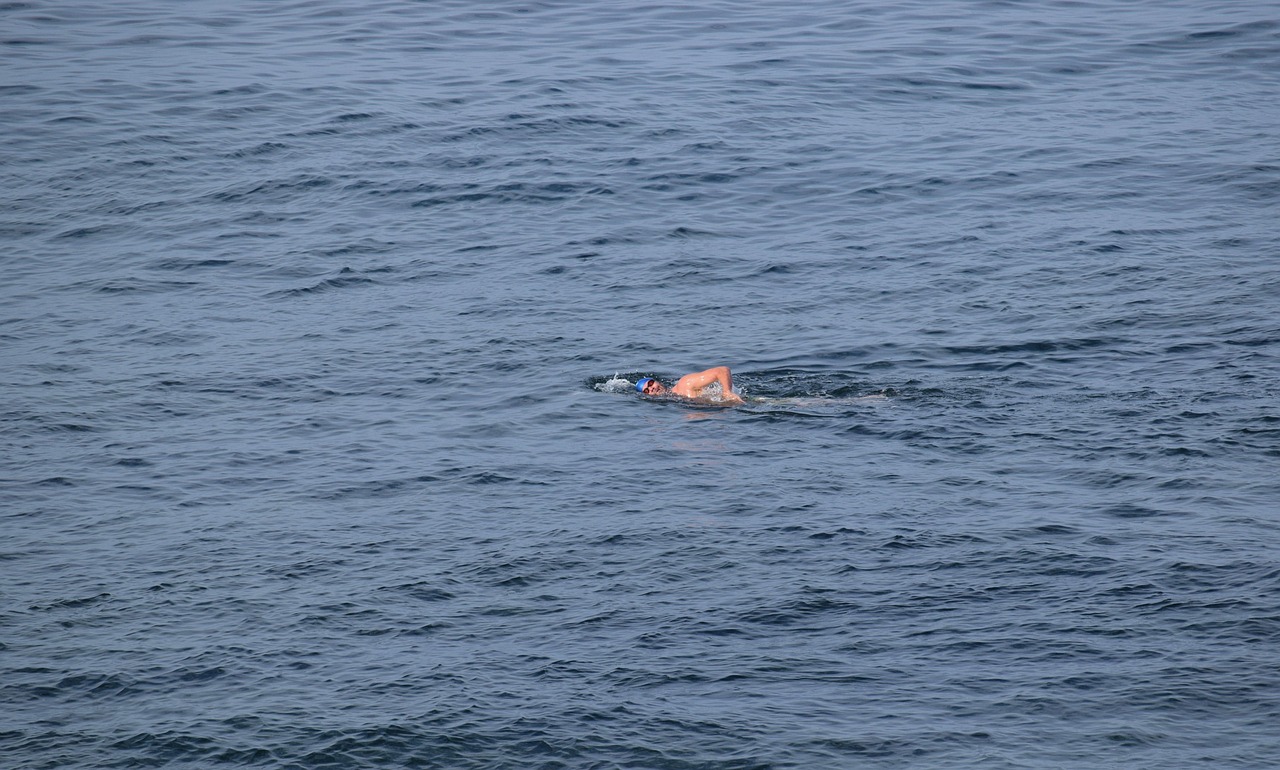
Open water swimming presents unique challenges compared to pool swimming. Swimmers must navigate through natural elements such as waves, currents, and varying water temperatures. Understanding these factors is essential for becoming a proficient open water swimmer. Currents can significantly affect a swimmer’s speed and direction; they must be taken into account during training and competition. Additionally, waves can create instability, altering breathing patterns and overall confidence. Swimmers should practice clear techniques for sighting ahead to maintain a straight course. This skill becomes increasingly important in open water when landmarks are far away. Setting a target and using visual cues aids in reducing energy expenditure and enhances swim efficiency. Moreover, tidal influences can vary greatly depending on the location and time of day, making knowledge of local conditions crucial. Even on calm days, wind can stir up surface turbulence, making conditions unpredictable. A strategic approach includes appropriate gear selection and preparation for sudden changes. Being mentally prepared allows swimmers to remain focused even in adverse conditions, which is vital for successful navigation. Training in simulated rough conditions can help build resilience and adaptability in open water environments.
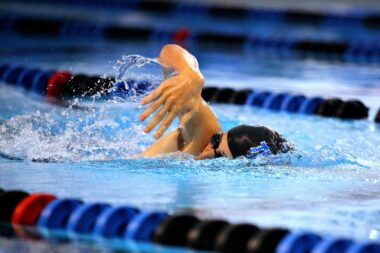
Understanding the science behind open water swimming enhances performance. Factors such as buoyancy, body positioning, and stroke mechanics are critical elements to explore. Buoyancy impacts a swimmer’s energy efficiency and overall performance. Greater buoyancy can lead to more efficient swimming, allowing for better energy conservation. Body position plays an essential role in minimizing drag, which is vital when faced with challenging currents. Swimmers must strive to maintain a streamlined form. Stroke mechanics vary from pool swimming, where different styles may be effective. In open water, a freestyle stroke is commonly used. Practicing breathing techniques is crucial for adapting to varying conditions. Alignment of the head, hip, and feet can create maximum displacement in the water, leading to streamlined movement. Swimmers can achieve better propulsion by focusing on high elbow recovery and proper hand entry. Consistent drills targeting these skills during training sessions can lead to a smoother stroke and improved performance. Techniques should be tested with various gear types, including a wetsuit, to understand their impact on buoyancy and temperature. Moreover, regular evaluations can assist swimmers in analyzing their progression and addressing mechanical issues in stroke efficiency.
Environmental Factors in Open Water Swimming
Open water swimmers must be acutely aware of their surroundings, as environmental factors significantly affect swimming conditions. Water temperature can directly impact performance and safety. Cold water can lead to hypothermia risks; thus, appropriate thermal gear is essential. Swimmers need to check forecasts and select suitable wetsuits accordingly. Warm water may cause overheating, thereby impeding performance. By understanding personal tolerance levels for temperature, swimmers become more adept at managing these elements. Additionally, visibility is a critical factor; murky waters can challenge sighting and increase chances of disorientation. Weather conditions such as wind and rain affect not only water surface but also the emotional state of athletes. Strong winds can create larger waves and unpredictable swells. Swimmers should stay informed about conditions throughout their event timeframe. Monitoring tidal patterns, currents, and potentially dangerous weather changes prepares swimmers for various scenarios. Spotting local wildlife also requires attention, as creatures can represent hazards during races and training. Familiarizing oneself with the swimming environment fosters confidence and gives swimmers the tools to adapt and excel. Achieving a balance between awareness and performance is key for successful open water swimmers.
Nutrition and hydration play an integral role in optimizing open water swim performance. The demands of swimming long distances in open water require strategic fueling and hydration practices. Developing a nutrition plan tailored to individual needs is vital for endurance. Most swimmers benefit from consuming meals rich in carbohydrates before lengthy swims. Balanced meal preparation should consider components such as proteins for muscle repair and healthy fats for sustained energy. Monitoring hydration levels is equally important, as dehydration can severely affect performance. Swimmers should plan hydration tactics leading up to their swim, ensuring adequate intake throughout training. On race day, energy gels or chews can be appropriate options for fueling during extensive distances. Proper timing and method of consumption can supplement stamina effectively. Moreover, post-swim recovery methods are essential for repairing muscle tissue and reducing fatigue. High-quality protein intake post-session helps restore damaged muscles effectively. Incorporating nutritious snacks and hydration strategies into a daily routine enables swimmers to maintain energy levels and improve overall performance. Testing different nutrition strategies during training allows for better understanding of what works best for individual bodies. Creating a consistent plan aids in building confidence going into open water events.
Training Techniques for Open Water Swimming
To excel in open water swimming, specific training techniques should be implemented. Regularly practicing in open water is essential, as it closely simulates race conditions. This practice helps swimmers build their comfort levels and enhances adaptability. Incorporating interval training in sessions can help improve endurance and speed. Consider using landmarks or buoy markers for sets during water workouts. Additionally, buddy swims or group training adds an element of safety and camaraderie. Practicing sighting is crucial in developing navigational skills; swimmers can do this by lifting their heads during strokes to locate targets. These tactics improve focus and technique under different conditions. Drill work, including distance and versatility, can enhance specific aspects of stroke efficiency. Working on breathing techniques will prove invaluable in unpredictable conditions, as swimmers learn to stay calm and controlled. Cross-training activities, such as running and cycling, help build endurance while reducing the risk of injury from repetitive swimming movement. Regular evaluations of pace and performance enable swimmers to adjust training strategies as necessary. Incorporating these various elements and skills into training enhances overall performance and self-confidence, preparing swimmers for the challenges that lie ahead in open water.
Understanding the psychology of open water swimming is crucial for performance and mental resilience. Many swimmers experience anxiety prior to open water races due to unpredictable environments. Practicing mental exercises, such as visualization techniques, can greatly aid in coping with race-day nerves. Envisioning successful outcomes and visualizing the swim course may instill a sense of calm and confidence. Developing pre-race routines allows swimmers to establish consistent habits, leading to improved performance. Strategies like mindful breathing and positive affirmations can help manage anxiety and boost self-belief, especially in stressful environments. During times of disorientation, staying mentally focused can provide the necessary clarity to navigate through swirling waters. Breaking swims into smaller segments can also reduce feelings of overwhelm, allowing swimmers to concentrate on achieving manageable goals. Emphasizing the importance of a positive mindset contributes to mental fortitude, enabling athletes to overcome physical and mental obstacles. Learning to embrace discomfort during swims builds resilience and adaptability in challenging conditions. Understanding that setbacks can be part of the journey encourages a growth-oriented mindset. Ultimately, cultivating psychological techniques can significantly impact an athlete’s ability to perform and maintain focus during open water swimming events.
Conclusion: Mastering Open Water Swimming
Mastering open water swimming requires a combination of mental fortitude, physical preparation, and an understanding of environmental factors. Continuous practice and refinement of swimming techniques are essential for navigating challenging waters confidently. Emphasizing proper nutrition, hydration, and recovery strategies aids in optimizing overall performance and endurance. As swimmers develop their skills, mental strategies become equally important in managing anxiety and building resilience. The ability to adapt to ever-changing conditions while maintaining focus is vital for success in this sport. Swimmers should invest time in thorough education about their local environments to prepare effectively. Familiarization with aspects such as currents, tides, wave patterns, and other potential hazards contributes to a well-rounded knowledge base. Regular evaluations of personal progress will aid in identifying strengths and areas for improvement. Through dedicated training, clear goal setting, and mental preparation, swimmers can navigate open waters with confidence and poise. In conclusion, the science of open water swimming is multifaceted and requires an integrative approach to training. Achieving mastery in this discipline fosters lifetime skills, ensures safety, and ultimately leads to enjoyable swim experiences. Embracing the challenge is key to thriving in open water swimming adventures.
With each practice session and race experience, open water swimmers pave their unique paths toward their personal and competitive goals. Utilizing this combination of science, technique, and mental strength becomes the foundation for ongoing development in this exciting sports domain. By committing to their training and supporting each other through community engagement, swimmers can positively impact others in the sport. Collaboration with coaches and mentors enhances understanding while promoting continual learning. The open water swimming experience can ultimately serve as both a personal journey and a shared adventure, enriching lives and fostering deeper connections. Discovering new locations, crossing challenging bodies of water, and competing against others all contribute to a rich tapestry of memories made along the way. Swimmers are encouraged to embrace the community’s collective wisdom, allowing the sport itself to guide their journeys. Engaging in local swim events or volunteer opportunities fosters connection and helps build a supportive network. With determination and passion, open water swimmers will thrive and push boundaries in their aquatic pursuits. Each stroke becomes not only a testament to their strengths but also a celebration of resilience and adaptation in the face of nature’s elements.