
The Science of Neuro-Mind-Body Coaching for Transformational Change
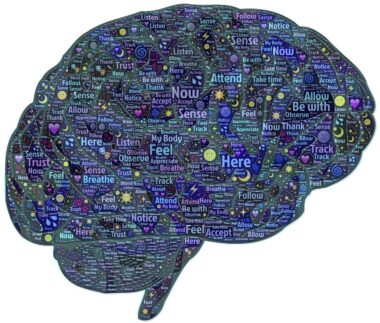
The connection between the mind and body has substantial implications for personal development. Neuro-Mind-Body Coaching emphasizes the importance of understanding how mental processes influence physical health. Research indicates that our thoughts, emotions, and behaviors are interconnected. This synergy shapes our experiences and overall well-being. By focusing on this relationship, clients can harness their mental resources to create profound changes. Neuroplasticity, the brain’s ability to reorganize itself, allows for new neural pathways that enhance personal growth. Techniques such as mindfulness and visualization can aid in this transformation. They promote self-awareness and increase emotional intelligence. Clients learn to recognize limiting beliefs that hinder their progress. By addressing these beliefs, they can improve their self-efficacy and resilience. Additionally, physical practices like yoga and breathwork integrate the body into the coaching process. They encourage awareness of bodily sensations and emotional responses. Together, these practices underpin a holistic approach to personal development that fosters lasting change. It acknowledges the dynamic interplay between thoughts, emotions, and physical sensations that ultimately shapes transformational journeys.
Understanding Neuroplasticity and Personal Growth
Neuroplasticity is a fundamental concept in neuro-mind-body coaching. It refers to the brain’s ability to change and adapt throughout life. This adaptability plays a crucial role in personal development. By engaging in practices that stimulate positive thinking, you can effectively rewire your brain. This reconfiguration strengthens connections that promote success and wellbeing. For example, affirmations and intention-setting can establish new thought patterns. Clients also learn effective techniques to manage stress and anxiety. These feelings can hinder growth if left unchecked. Understanding neuroplasticity empowers individuals to actively formulate their desired outcomes. This self-directed change often results in enhanced clarity and focus. As individuals recognize their capacity to change, they become more engaged in their coaching journey. They begin to see challenges as opportunities for growth, encouraging resilience. Moreover, employing techniques like journaling and meditation can further enhance personal development. Such practices encourage reflection and self-discovery. Clients gain insights into their thought processes and emotional triggers. Embracing this awareness leads to healthier responses toward life’s challenges, marking a significant shift in mindset.
Mind-Body Coaching utilizes various techniques to facilitate transformational change. These approaches can enhance mental clarity and emotional regulation. Techniques such as cognitive-behavioral strategies help clients recognize and shift negative thought patterns. Emotional Freedom Technique (EFT) involves tapping on specific meridian points in the body to release emotional blockages. This process helps alleviate stress and promotes self-acceptance. Similarly, mindfulness practices encourage present-moment awareness. This cultivates a nonjudgmental outlook on one’s thoughts and feelings. Clients develop greater emotional resilience. Breathing exercises can ground individuals during difficult moments, linking breath with awareness. Integrating these techniques into daily routines magnifies their benefits. Exercises that connect breath to intention foster a deeper sense of empowerment. As a result, participants often report improvements in both mental and physical health. This holistic approach recognizes the interconnectedness of mind and body. Clients witness firsthand how emotional health directly influences physical states. Building a toolkit of these strategies equips clients to navigate life with confidence. Ultimately, it promotes an enduring sense of well-being that supports sustainable transformation. The pathway to change is often paved with small, consistent practices.
Integrating Emotional Awareness in the Coaching Process
Emotional awareness is a critical component of Neuro-Mind-Body Coaching. It involves recognizing and understanding one’s emotions. This self-awareness is vital for sustainable change. By understanding emotional triggers, clients can respond rather than react. They learn to identify patterns of behavior that may not serve them well. Enhanced emotional awareness fosters healthier relationships with others and oneself. Clients practice techniques that facilitate emotional expression. Tools like journaling encourage reflection on experiences and feelings. This practice aids in clarifying thoughts, enabling targeted discussions during coaching sessions. Furthermore, emotional regulation strategies, such as breath control and grounding exercises, promote a sense of balance. Clients gain mastery over their emotional landscape. Practicing empathy toward oneself and others enhances social connections. The skills learned in coaching extend well into personal relationships. By cultivating emotional intelligence, individuals become better at resolving conflicts and building stronger connections. Developing this skill set allows clients to achieve greater synergy between their mental and physical well-being. Over time, individuals experience a transformation in their outlook on life. Embracing emotional awareness is foundational for achieving their desired goals.
Goal setting is an essential aspect of Neuro-Mind-Body Coaching. Establishing clear and achievable goals gives direction to the personal development process. Clients engage in a collaborative setting to identify their aspirations. Coaches guide them in articulating short-term and long-term goals, emphasizing the importance of SMART criteria. Specific, Measurable, Achievable, Relevant, and Time-bound objectives make goals more attainable and motivating. Breaking down larger goals into smaller steps enhances perceived manageability. The process fosters a sense of accomplishment with each milestone achieved. This layering technique works congruently with neuroplasticity principles. Each small success reinforces new neural pathways. Clients also learn to visualize their success regularly. Visualization techniques evoke strong emotional responses, creating a sense of reality around achieving those goals. Notably, embracing a growth mindset is crucial. This perspective enables individuals to view setbacks as learning opportunities rather than failures. It enhances resilience and persistence, both necessary traits for overcoming obstacles. Tracking progress through reflection and accountability further solidifies these changes. With diligent efforts, individuals witness substantial transformations in their lives.
Building Resilience Through Mind-Body Strategies
Resilience is a key outcome associated with Neuro-Mind-Body Coaching. Building resilience enables individuals to adapt and recover from setbacks effectively. Mind-body strategies play a significant role in cultivating this resilience. Practices like meditation, yoga, and mindfulness promote a state of calm amidst adversity. These techniques enhance self-regulation and provide tools for coping with stress. Clients learn to reframe challenges as opportunities for growth, promoting a positive mindset. Resilience-building activities encourage physical health by increasing endorphins. Regular exercise is a holistic component of this approach. Exercise can enhance mood and reduce anxiety. A balanced mind-body connection reinforces the ability to face difficult situations. By embracing vulnerability as a strength, individuals become more open to new experiences. They learn to trust the process of change over time. Supportive group coaching sessions foster community and shared learning, enhancing resilience. Clients often express that they feel empowered by shared experiences. Additionally, journaling practices reinforce resilience. Writing reflections aids in processing emotions, clarifying thoughts, and nurturing resilience. Ultimately, developing resilience through mind-body strategies leads to sustainable transformational change.
In conclusion, Neuro-Mind-Body Coaching is a powerful approach for transformational change. It highlights the intricate interplay between thoughts, emotions, and physical sensations. This holistic framework equips clients with a varied toolkit for growth. By actively engaging in the learning process, individuals can harness the power of their minds and bodies. As they embark on this journey, they create new, empowering narratives. The incorporation of practices such as mindfulness, emotional regulation, and resilience-building enhances overall well-being. Clients who embrace this knowledge often find themselves thriving in multifaceted aspects of life. The transformation manifests in relationships, career advancements, and personal fulfillment. Engaging fully in this process promotes lasting change, allowing individuals to achieve their goals while staying true to their values. Embracing the interconnectedness of mind and body sets the foundation for success in personal development. As we navigate life’s uncertainties, these strategies equip us to face any challenge with courage and grace. Neuro-Mind-Body Coaching ultimately serves as a catalyst for profound, sustainable change. As individuals continue exploring this dynamic relationship, they open doors to infinite possibilities. The journey of transformation begins by recognizing and embracing this connection.