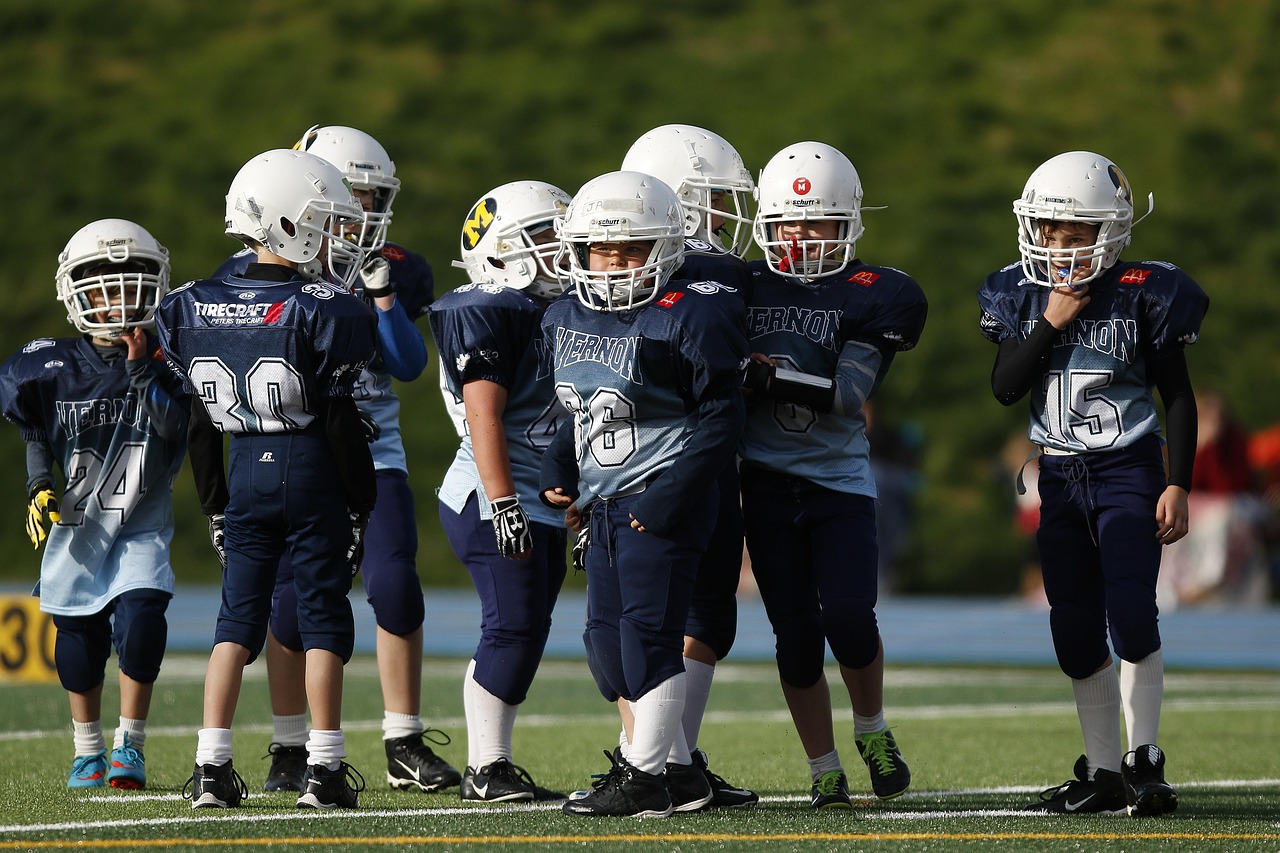

The Science Behind Youth Athletic Conditioning
Youth athletic conditioning is crucial for unlocking potential in young athletes. Understanding the science behind conditioning helps them achieve their goals in sports. Proper conditioning focuses on developing strength, endurance, flexibility, and speed. Incorporating these elements ensures a well-rounded athletic foundation. Strength training is essential for injury prevention and performance enhancement. Strength exercises can be performed using body weight, resistance bands, or weights. Additionally, cardiovascular conditioning improves heart health and stamina. Activities such as running and swimming complement strength training. Flexibility is often overlooked, but it plays a vital role in overall conditioning. Stretching routines should include dynamic and static stretches. Speed training enhances quickness, reaction time, and agility, essential for various sports. Intervals or sprinting drills are effective methods for developing speed. A well-designed conditioning program is tailored to the athlete’s age, sport, and experience level. Coaches and trainers must monitor progress and adjust training loads accordingly. Emphasizing recovery and nutrition further supports conditioning efforts. Awareness of hydration, macronutrients, and overall wellness can significantly impact performance and recovery in young athletes.
Youth athletic conditioning involves much more than just physical training. Psychological aspects play a vital role in an athlete’s development. Understanding motivation can enhance a young athlete’s performance and engagement. Coaches can utilize various techniques to help athletes set and achieve their goals. Mental conditioning, similar to physical training, prepares athletes for competition. Visualization and positive self-talk are effective strategies for improving focus and confidence. Engaging in mindfulness practices can help reduce anxiety and enhance performance. Peer support from teammates can also foster a positive environment. While physical attributes are essential, mental resilience is equally critical. Young athletes must develop coping mechanisms for stress and disappointment. Participation in team activities promotes camaraderie and boosts morale. Coaches should encourage communication and reinforce a culture of teamwork. Social skills developed through these interactions translate into better performance in sports and life. Therefore, nurturing both physical and mental facets is essential for holistic athletic conditioning. Structured programs that include psychological training yield significant benefits. Parents should support these initiatives to encourage a well-rounded approach to youth athletics.
The Impact of Nutrition on Conditioning
Nutrition is a significant component of youth athletic conditioning, influencing performance and recovery. A well-balanced diet fuels the body and supports optimal function during training. Young athletes require appropriate macronutrients: carbohydrates, proteins, and fats tailored to their specific needs. Carbohydrates serve as the primary energy source, essential for high-intensity activities. It is vital to incorporate complex carbohydrates like whole grains, fruits, and vegetables into daily meals. Proteins are crucial for muscle repair and growth, and young athletes should consume adequate protein sources such as lean meats, dairy, and legumes. Healthy fats also contribute to hormonal balance and energy levels. Hydration is often underestimated but plays a critical role in performance. Athletes should drink water regularly throughout the day and particularly during training sessions. Monitoring color and frequency of urine can help gauge hydration status. Furthermore, timing meals and snacks around training can enhance performance and recovery. With proper nutrition, young athletes can achieve energy sustainability, improve concentration, and reduce injury risk. Lastly, parents and coaches must emphasize the importance of healthy eating habits for the development of lasting nutritional knowledge.
Injury prevention strategies are an essential component of youth athletic conditioning. Ensuring that young athletes engage in proper warm-ups and cool-downs can mitigate risks. Warm-up routines should gradually increase heart rates and promote muscle flexibility. Incorporating sport-specific drills allows athletes to prepare appropriately for the demands ahead. Likewise, proper technique in exercises and sports activities minimizes injury risks. Coaches must educate young athletes about biomechanics and correct posture during physical movements. Conducting strength assessments and implementing tailored conditioning can address individual weaknesses. Establishing a culture of safety and open communication encourages athletes to discuss discomfort or injuries. Regular breaks during training sessions are necessary to foster recovery and prevent exhaustion. Cross-training can also help by introducing variety in conditioning and reducing overuse injuries in young athletes. At the same time, athletes should be aware of their bodies and recognize signs of fatigue. Early intervention in response to injury symptoms ensures timely rehabilitation. Educating parents on injury prevention is essential to foster supportive environments at home. Thus, injury prevention strategies blend physical conditioning, education, and communication, creating safer sporting experiences.
The Role of Recovery in Conditioning
Recovery is a critical aspect of youth athletic conditioning that is often overlooked. Young athletes face unique challenges in balancing training and recovery, potentially leading to burnout. Understanding the importance of recovery helps maximize training gains while minimizing injury risks. Active recovery techniques, such as low-intensity activities, can enhance blood flow and muscle repair. Young athletes should also incorporate rest days to allow their bodies adequate time to recover. Sleep plays a significant role in recovery as it enables essential hormone production and muscle growth. Establishing consistent sleep schedules promotes better performance and overall health. Nutritional recovery strategies are equally crucial, with post-training snacks rich in protein and carbohydrates. Incorporating restorative practices like yoga and stretching can improve flexibility and reduce soreness. Mental recovery is vital, as psychological fatigue can occur alongside physical exertion. Young athletes should engage in mindfulness or relaxation techniques to alleviate stress and promote mental clarity. Implementing structured recovery protocols can yield significant improvements in performance outcomes. Coaches and parents should prioritize recovery strategies as an integral part of any conditioning program, ensuring young athlete longevity in sports.
Technological advancements have significantly influenced youth athletic conditioning. Wearable fitness technology, including heart rate monitors and smartwatches, allows athletes to track their performance. Real-time feedback enhances training efficiency and helps in understanding personal limits. Coaches can utilize these technologies to gather data and optimize workouts for individual athletes. Video analysis enables athletes to review their technique and make necessary adjustments. This visual feedback promotes continual improvement throughout conditioning programs. Online training platforms and applications also provide additional resources for skill enhancement and conditioning routines. Evidence-based practices can be integrated effectively into programs through these digital tools. Virtual coaching has gained popularity, providing access to expert guidance regardless of location. However, it is essential for both athletes and coaches to remain discerning regarding the quality of online information. Balancing technology with traditional coaching methods is key in creating effective conditioning plans. Moreover, fostering a healthy relationship with technology helps young athletes remain focused on their objectives. As technology continues to evolve, its impact on how youth conditioning is approached will likely expand, providing innovative solutions for athletic development.
Building Confidence Through Conditioning
Conditioning is instrumental in building confidence among young athletes throughout their sports journey. A solid conditioning program enhances physical skills and equips athletes with the mental fortitude to face challenges. As young athletes achieve fitness milestones, their self-esteem grows, promoting a positive self-image. Goal setting during conditioning allows athletes to experience a sense of accomplishment. Coaches should encourage athletes to track their progress and celebrate successes, no matter how small. This approach nurtures intrinsic motivation and a love for the sport. Conditioning also cultivates resilience, teaching athletes to persevere through obstacles. By overcoming challenges within training, they develop problem-solving skills. Positive reinforcement from coaches and peers further strengthens athletes’ belief in their capabilities. As confidence builds, young athletes are likely to participate more willingly, taking on new challenges and improving performance. This growth mindset fosters a lifetime of active participation in sports and physical activities. Regularly evaluating progress helps in the ongoing development of skills and confidence. Therefore, integrating confidence-building strategies into conditioning programs can profoundly impact young athletes’ overall experiences in sports and life.
In conclusion, understanding the science behind youth athletic conditioning is essential for fostering long-term development. A holistic approach includes physical, mental, and nutritional components that contribute to overall athletic success. Coaches and parents play vital roles in supporting young athletes in achieving their potential. By integrating training techniques, recovery practices, and injury prevention strategies, they create an environment conducive to growth. Effective conditioning methods set the foundation for improved performance and instill life skills such as teamwork and discipline. Additionally, recognizing the impact of nutrition, technology, and psychological conditioning enhances the overall training experience. Regular evaluations and adaptability in training plans also help meet the evolving needs of young athletes. Ultimately, fostering a positive condition will yield significant benefits, ensuring longevity in sports participation. As young athletes gain confidence, they develop a passion for their sports, contributing to a healthier lifestyle. Investing in robust youth athletic conditioning will not only shape better athletes but also empower youth to thrive in various life aspects. Therefore, it’s crucial to focus on a balanced and science-based approach to conditioning, paving the way for future success.