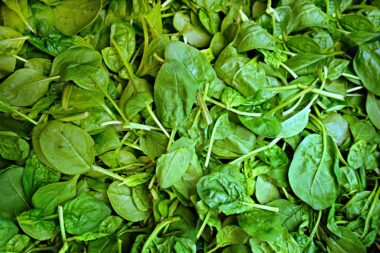

Meal Planning Strategies Based on Caloric Intake and Nutrition
Meal planning is an essential component of effective caloric counting and maintaining nutritional values. This strategy assists individuals looking to manage their weight more effectively. By understanding the caloric content of foods, you can tailor meals that fit your dietary needs while still enjoying your favorite dishes. Start by assessing your basal metabolic rate (BMR). This number helps determine how many calories you should consume daily. Once you have established this baseline, consider incorporating a variety of foods into your meal plan. This varied diet will not only meet your calorie needs but will also provide essential nutrients crucial for overall health. Additionally, create a weekly meal schedule that includes breakfast, lunch, dinner, and snacks. This helps minimize last-minute unhealthy eating choices. Ensure that each meal is balanced, containing protein, healthy fats, and carbohydrates. Finally, don’t forget to keep a food diary or use an app to track your meals. Evaluation of what you consume can be a powerful tool in recognizing patterns and making better choices. Keeping everything organized enhances your likelihood of achieving your weight maintenance goals.
When embarking on a meal planning journey, it’s vital to focus on portion control. Each food item has a specific calorie count associated with its size. Use measuring cups or a food scale to ensure accurate servings, which can significantly impact caloric intake. Over time, you will become familiar with visual estimates of portion sizes, helping you maintain your calorie goals more efficiently. Consider prepping meals at the beginning of the week to avoid the temptation of fast food or unhealthy options. Meal prepping fosters consistency in your nutritional intake and allows you to experiment with various healthy recipes. Try creating a balanced plate with leafy greens, lean proteins, and whole grains. You can also include colorful fruits and vegetables for added nutrients. Don’t forget about snacks; they play a critical role in keeping your metabolism stable throughout the day. Opt for healthy snacks like nuts, yogurt, or fruit instead of processed options. This not only adds important nutrients but also satisfies cravings without derailing your calorie count. Elevating awareness about what you eat can lead to nutritional empowerment that supports your weight maintenance efforts.
The Role of Nutritional Values
Nutritional values play a critical role in meal planning and maintaining caloric intake. Different foods provide varying amounts of macronutrients and micronutrients. For instance, protein-rich foods facilitate muscle maintenance while fats are essential for hormone production. Understanding the nutrient density of foods can guide your choices significantly. Focus on whole foods that provide little to no processing, as they usually contain higher nutrient values compared to processed foods. Integrate diverse food options into your diet like lean meats, legumes, whole grains, fruits, and vegetables. Each calorie consumed should strive to pack a nutritional punch. Documenting these values in a meal log can improve understanding and accountability. Familiarize yourself with food labels and apps that provide nutritional information to help streamline this effort. Furthermore, involve yourself in cooking simple recipes that emphasize healthy ingredients; this can inspire creativity and maintain motivation. A good knowledge of nutritional values will not only help you stay on track with calories but will enhance your overall health and well-being. Strive to create delightful meals that you will look forward to enjoying.
Another compelling strategy for maintaining weight is to embrace mindful eating. This practice involves paying attention to your eating experiences and recognizing hunger cues. It promotes awareness regarding food texture, flavor, and even the emotional responses associated with eating. While planning meals, think about environments conducive to mindful eating, such as dining away from screens to reduce distractions. This method aids in savoring food and enhances satisfaction, ultimately reducing overeating. Try including a variety of flavors and textures in your meal plan to make eating a more enjoyable experience. Additionally, allocate time for meals rather than consuming food rapidly. Chewing slowly not only improves digestion but also allows your brain to signal when you are full. Mindful eating can lead to greater enjoyment and less woefulness regarding food choices. Pair meals with mindful activities such as cooking, where you can engage with ingredients and preparation. Implementing this technique alongside caloric counting leads to a balanced approach to eating. Pair your awareness with your knowledge of calorie intake to create a more fulfilling relationship with food that supports your weight maintenance.
Quality Over Quantity
Focusing on quality over quantity in your meals can produce significant positive results regarding caloric intake and nutrition. Opt for nutrient-dense foods over empty-calorie items. For instance, select natural foods that provide essential vitamins, minerals, and fiber rather than sugary or fatty processed snacks. This enables you to enjoy larger portions of food with fewer calories, making meal satisfaction achievable. Create a grocery list highlighting whole foods such as fruits, vegetables, whole grains, seeds, and lean proteins. Allocate time to explore local farmers’ markets or grocery stores with organic selections. Incorporating seasonal produce not only elevates your meals but also ensures maximum freshness and flavor. Beyond proper nutrition, prioritizing quality ingredients has a significant effect on your overall health. It contributes to energy levels, improved digestion, and mental clarity. As you become more knowledgeable about nutrients, you may find exploring new recipes with wholesome ingredients more rewarding. Guided by these principles, your weight maintenance efforts will become far more manageable, as they align with achieving balanced nutrition while remaining within your caloric framework.
Lastly, flexibility plays a vital role in achieving lasting weight maintenance through effective meal planning. Rigidity in meal plans may lead to frustration and unhealthy relationships with food. Allow yourself the freedom to adjust meals based on your preferences, social events, or changing dietary needs. This adaptability can help incorporate spontaneous cravings while staying within your caloric goals. For example, if you have a desire for something rich, consider modifying your meal to include a smaller portion of that indulgence accompanied by healthier sides. Creating a special day for treating yourself can be beneficial, as it enhances positivity towards your food journey. Balance is key; it allows for satisfaction without completely derailing your efforts. Moreover, incorporating diverse cuisines and flavors can prevent meal fatigue. Embrace different cooking techniques and enliven your kitchen with new utensils or gadgets. Experimenting with herbs and spices can also enhance the taste of healthy meals. Maintain your caloric awareness, but don’t hesitate to explore culinary options that keep you excited and motivated throughout your weight maintenance journey.
Concluding Thoughts on Meal Planning
To sum up, effective meal planning around caloric intake and nutritional values can significantly support weight maintenance goals. Implementing strategies such as portion control, focusing on nutritional value, mindful eating, and flexibility can create a sustainable lifestyle. Remember the importance of variety when building your meal plans. Engage with fresh ingredients and experiment with different recipes to enhance enjoyment in your food journey. Keep a food diary or utilize apps to help track your caloric intake. This will empower your understanding of dietary choices and their impact on your body. Always prioritize quality foods that provide adequate nutrients essential for a balanced diet. Seeking guidance from nutritionists or attending workshops can further assist in refining your meal planning skills. Finally, embrace patience and compassion towards yourself during this journey. Weight maintenance takes time and commitment, and it’s vital to strike a balance between enjoyment and health. Adopting these meal planning strategies effectively will allow you to enjoy your food while achieving your weight goals, leading to greater satisfaction and overall well-being.
By applying these meal planning principles, you set the foundation for success in managing caloric intake while maintaining an enjoyable relationship with food. You can achieve a healthy lifestyle maintaining your weight sustainably. Cultivating good habits around food can provide you with lifelong support toward your health objectives. Tune into your body’s signals and recognize that nourishing yourself is as important as the calories consumed. This balanced approach will ultimately lead to a healthier mindset regarding eating and can make all the difference in sticking to your weight maintenance journey. Ultimately, personalized meal planning strategies can significantly enhance your nutritional experience while encouraging mindful practices. Focusing on both the ability to track calories and enjoy meals will ensure that you feel fulfilled and energized. Whether you opt to count calories on a daily basis or simply aim for nutritional balance, knowing what works for you is vital. Your health journey is personal, and exploring what brings you joy is critical in maintaining weight and happiness alike.