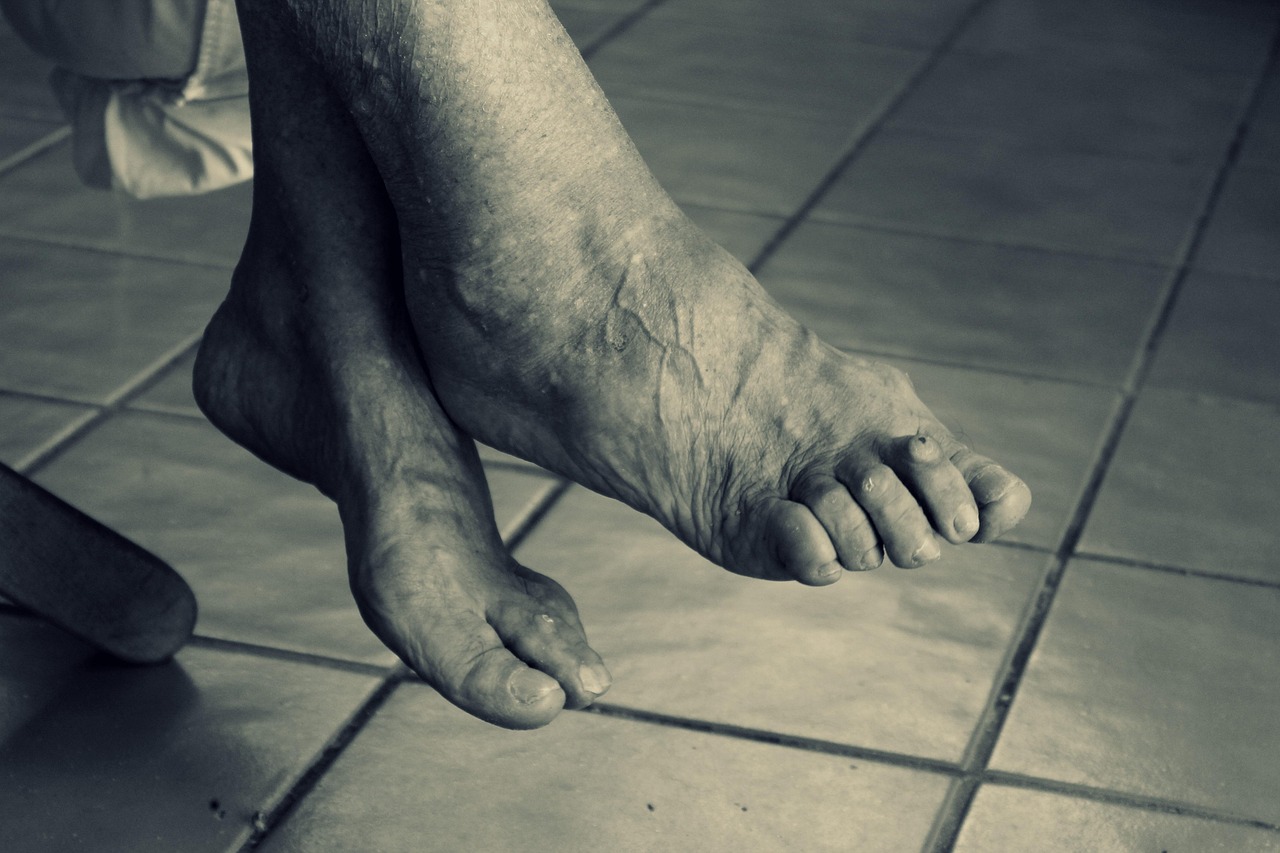

Identifying and Managing Corns and Calluses in Older Feet
As we age, our feet undergo various changes that can lead to discomfort and pain. Corns and calluses are common ailments that can significantly affect mobility and overall foot health in older adults. Corns are small, thickened areas of skin that typically develop on the toes, while calluses are larger patches that form on the soles of the feet. Both conditions arise due to increased pressure and friction, often caused by inappropriate footwear or foot deformities. Understanding the causes and knowing how to manage these conditions are crucial for maintaining an active lifestyle and preventing further complications. The first step in managing corns and calluses is to assess the fit of your shoes. Ensure they are comfortable, supportive, and appropriate for your foot shape. Consult a healthcare professional whenever necessary, particularly if you experience pain or noticeable changes in your feet. This article aims to explore various strategies for identifying, reducing, and managing corns and calluses effectively, allowing older adults to enjoy their lives with ease and comfort.
Common Causes of Corns and Calluses
Identifying the common causes of corns and calluses is vital for effective prevention and management. These conditions often result from prolonged pressure on certain areas of the feet. Factors contributing to this pressure include wearing ill-fitting shoes, particularly those with tight or narrow toe boxes and high heels. Additionally, foot deformities such as bunions or hammertoes can exacerbate the problem, causing skin to thicken as a protective response. Activities that involve repetitive motions or prolonged standing can also contribute to corn and callus development. Injuries or friction from socks that do not stay in place can worsen the condition, leading to painful areas on the feet. Furthermore, as people age, their skin loses elasticity and moisture, making it more prone to thickening in response to pressure. This can create an environment where corns and calluses thrive. Understanding these causes can help older adults make informed choices about their footwear and foot care routines, ultimately promoting healthier feet and reducing the likelihood of developing these troublesome conditions.
Good foot hygiene is crucial for managing corns and calluses. Daily washing and careful drying of the feet, focusing on the areas prone to thickening skin, should be a part of a consistent routine. Moisturizing the feet regularly can help keep the skin supple and reduce the chances of hard, thickened areas forming. Applying creams rich in urea or salicylic acid may also be beneficial in softening corns and calluses. However, it’s essential to apply these products as directed to avoid irritation or injury. Regularly inspecting your feet for any changes can help in early identification of issues that may worsen over time. If you notice any signs of infection, unusual growths, or significant discomfort, seeking professional medical advice is critical. A podiatrist can provide specialized care, including safe and effective methods for removing or treating corns and calluses, ensuring that preventive measures can be properly implemented as part of a holistic foot care routine. Older adults should consider scheduling routine foot check-ups for ongoing health and well-being.
Selecting Appropriate Footwear
Choosing the right footwear is one of the most critical factors in preventing and managing corns and calluses in older adults. Shoes that fit well, provide adequate support, and accommodate the natural shape of the foot can make a significant difference in comfort. Look for shoes with a wide toe box to prevent compressing the toes, which can lead to corns. Additionally, investing in shoes with cushioned soles helps absorb impact and reduces friction on the foot’s surface. Avoid styles that create excessive pressure points, such as high heels or shoes with stiff materials. Instead, opt for breathable materials like leather or canvas that allow the foot to breathe. Inserts and orthotic devices may also be beneficial, providing extra cushioning and support for the arch and heel. Don’t forget to regularly measure your feet, as foot size can change with age. Ensuring proper fit is essential in a successful strategy to prevent future foot problems. Ultimately, comfortable, supportive shoes enable older adults to remain active and engaged in their lives.
Regular foot care practices are essential for older adults to effectively manage corns and calluses. This includes once-a-week gentle exfoliation of thickened skin using a pumice stone, foot file, or other soft scrub devices. Be careful not to over-exfoliate, as this can lead to irritation or injury. Keeping toenails trimmed and filed can also help prevent foot issues by reducing pressure in close-fitting shoes. Maintaining adequate foot hydration is another crucial element in a preventive care routine. Using a thick moisturizer specifically for the feet helps keep the skin from becoming excessively dry and might reduce the formation of corns and calluses over time. Additionally, practicing foot exercises can enhance circulation and mobility, keeping the feet in better overall health. It’s vital to maintain a proactive approach toward foot health to enjoy an active lifestyle. Remember, sign-up for any foot care programs or activities offered in local communities can serve as additional support and education. Engaging in regular foot care helps minimize the adverse effects of aging on foot health.
When to Seek Professional Help
Knowing when to seek professional help is important for managing corns and calluses effectively. If corns or calluses become painful, are inflamed, or show signs of infection, such as redness or swelling, it is essential to consult a podiatrist. They can assess the condition and recommend appropriate treatment options, which may include debridement and custom orthotics. Furthermore, individuals with existing health conditions such as diabetes should be cautious about foot health, as they are at higher risk for complications. Regular check-ups with a healthcare provider can offer an opportunity to address foot issues before they escalate. A podiatrist can provide tailored advice on prevention strategies and make necessary interventions that are safely conducted to avoid complicating existing health issues. Prompt professional care can help restore comfort and enable continued mobility, a crucial aspect of maintaining quality of life in older adulthood. Remember that proactive health measures, including managing corns and calluses, should be embraced with a supportive network of healthcare professionals.
In conclusion, managing corns and calluses is an essential part of foot care for older adults. Proper understanding and awareness of the signs, causes, and management strategies can significantly enhance overall comfort and mobility. Key efforts should focus on daily foot hygiene, selecting appropriate footwear, and maintaining a proactive approach to foot care. Seeking professional advice and treatment when necessary is critical, particularly for individuals with existing health conditions. Foot health has wider implications for balance, mobility, and the overall quality of life. By taking small but effective steps towards proper foot care, older adults can remain active, independent, and engaged in their daily lives. Regularly updating footwear, regularly assessing foot conditions, and indulging in personalized care reinforce a commitment to high-quality foot hygiene. Ensuring that feet remain healthy allows individuals to enjoy more activities and manage better to age gracefully. Emphasizing a holistic approach to foot care can create significant benefits that enhance the overall well-being for the elderly population, providing them with a comfortable foundation on which to build their lives.