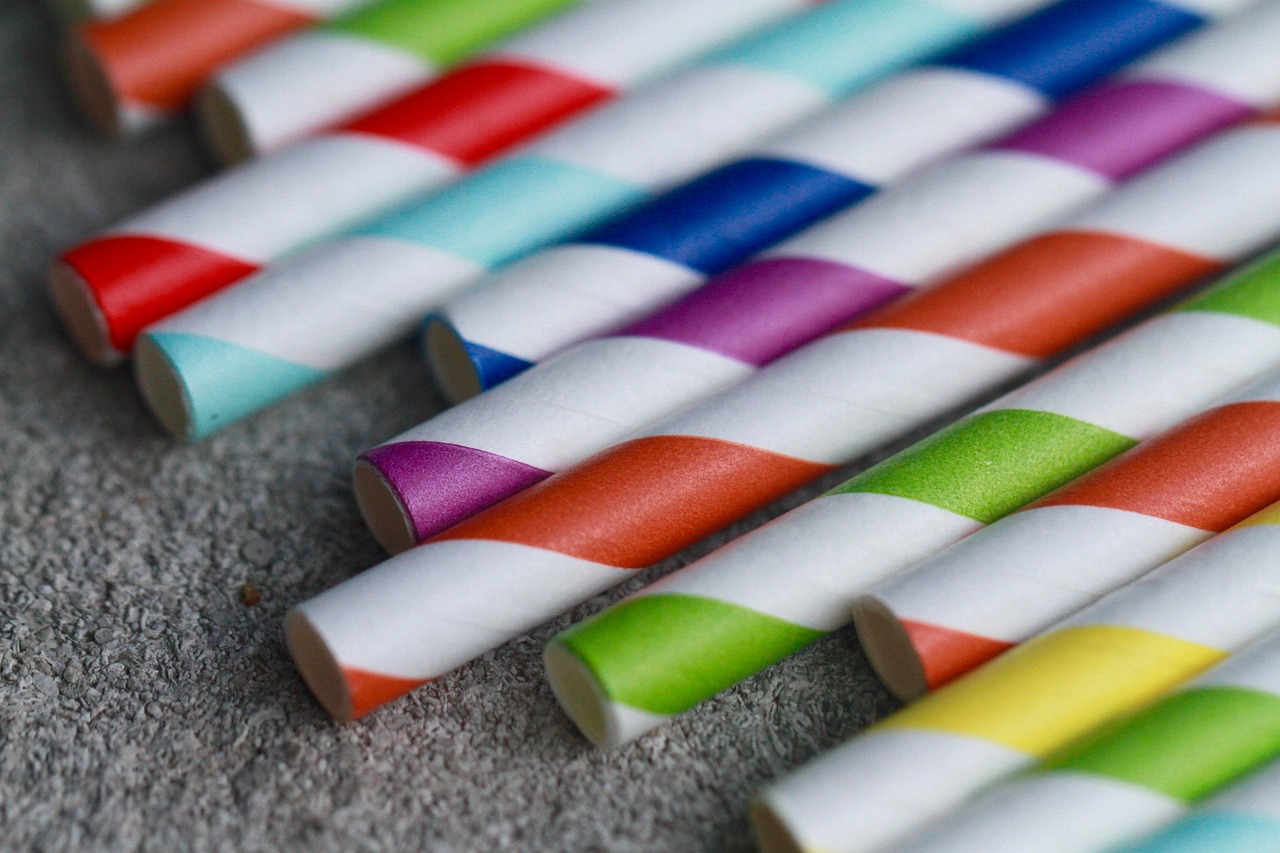

From Single-Use to Sustainable: Transforming Fitness Accessories
Plastic pollution has become a critical issue, especially in the fitness industry. The demand for single-use items is creating an environmental crisis, where discarded plastic accumulates in landfills and oceans. Responsible companies are seeking sustainable alternatives to traditional materials. Fitness accessories such as water bottles, yoga mats, and resistance bands are transitioning to eco-friendly options. Organizations are encouraged to adopt innovative designs using biodegradable substances, recycled materials, or plant-based alternatives. Such initiatives not only reduce plastic waste but also promote health-conscious lifestyles. Effective solutions include switching to stainless steel or glass for hydration needs and compostable yoga mats. Additionally, encouraging consumers to invest in durable, longer-lasting products fosters sustainable habits. Implementing systematic recycling programs and educating users about proper disposal methods can amplify positive impacts. Recent campaigns have highlighted the ultra-convenience of refillable solutions, while emphasizing ecological footprints.
The production of conventional fitness accessories involves significant plastic use, often leading to wastefulness. Instead of continuing to reinforce this cycle, manufacturers must prioritize sustainability in their processes. This involves utilizing fewer harmful materials during production, reducing energy consumption, and embracing eco-friendly manufacturing practices. Many brands now emphasize corporate responsibility, understanding that preserving the environment is essential. Collaborations with environmental organizations can provide educational outreach, raising awareness about pollution caused by common fitness products. Producing accessories from recycled materials not only saves resources but inspires other industries to follow suit. Public involvement in product lifecycle discussions helps ensure consumer preferences influence the transition towards sustainable options. Investing in advanced technologies for recycling plastics could create innovative options for fitness gear. Furthermore, sustainable packaging choices can significantly benefit environmental health, demonstrating a commitment to reducing waste beyond the product itself. With these changes, businesses can attract eco-friendly consumers and improve their market share. Establishing a transparent supply chain fosters trust with environmentally-conscious buyers, urging them to choose eco-friendly products.
Innovative Eco-Friendly Accessories
In creating sustainable fitness accessories, innovation is key. Many companies are exploring options such as biodegradable resistance bands and eco-conscious yoga mats designed to minimize waste. Brands are increasingly sourcing natural fibers and reclaimed components while designing products that cater to environmentally-aware consumers. Designers are experimenting with materials like cork, bamboo, and organic cotton, appealing to those who prioritize sustainability. For instance, cork yoga blocks offer an elegant and environmentally-friendly alternative to plastic. Additionally, eco-friendly apparel made from recycled plastics is gaining popularity. Tights, leggings, and tops crafted from post-consumer waste exemplify the shift towards sustainable fashion. Furthermore, brands are moving towards using water-based inks and dyes, ensuring low environmental impact throughout entire production processes. Engaging international eco-communities for product feedback ensures that designs align with global sustainability objectives. Workshops and events raise awareness of these innovative developments while inviting public engagement. Sustainable certifications also drive consumers towards more responsible purchases, resulting in an overall shift towards greener alternatives. The impact of these innovations continues to motivate others towards adopting eco-friendly practices within the fitness realm.
Consumer behavior significantly influences market trends, and understanding this dynamic can drive the demand for sustainable fitness solutions. Eco-conscious individuals tend to seek products that reflect their values. This transition manifests in the form of loyal brand support as consumers share their experiences with sustainable accessories online. Brands that leverage social media platforms to highlight their sustainability efforts can effectively engage their target audience. Online influencers can also create impactful narratives, helping to shape public opinion regarding plastic pollution and responsible consumerism. User-generated content showcases real-life applications while promoting eco-friendly behaviors. Groups advocating for environmental fitness solutions contribute to the growing movement toward sustainability. Awareness campaigns provide valuable knowledge on the ecological impact associated with single-use fitness products. The rising popularity of second-hand and upcycled gear demonstrates a shift towards circular economic principles where products have extended lifecycles. Additionally, many communities now organize swaps and exchanges, allowing fitness enthusiasts to share resources while encouraging reuse. In combination with social movements, these trends can compel the fitness industry to re-examine its materials and production practices to promote a healthier planet.
Collaborative Community Efforts
Addressing plastic pollution requires collective action, making community efforts paramount. Organizations can bring fitness communities together by orchestrating clean-up events at local parks or beaches. Participants can enjoy fitness activities while contributing to cleaning efforts that improve their environment. Educational seminars can be organized to emphasize the importance of reducing plastic waste and adopting sustainable practices. Establishing partnerships with local fitness studios encourages the implementation of eco-friendly measures such as recycling stations. Furthermore, incentivizing individuals to practice responsible consumerism can foster a supportive environment for adopting sustainable lifestyles. Programs promoting lasting relationships with sustainable brands or products can significantly impact consumers’ imprint within their communities. Engaging school and youth programs in such efforts ensures the new generations are well-informed about their environmental impact. This collective drive fosters a sense of community stewardship, leading to the creation of more eco-friendly initiatives. Local governments can also support such projects through funding and resources, amplifying the reach of sustainability efforts. As communities unite, they set a powerful example for others, illustrating the importance of caring for the planet through fitness activities.
As discussions about sustainability in the fitness industry increase, innovative solutions continue to arise. Many businesses are reconsidering the materials they use, aiming to lessen harmful effects on the environment. For example, some manufacturers are now embracing a zero-waste approach, ensuring that their production processes result in minimal waste. These advancements not only contribute positively to the environment but also appeal to environmentally-conscious consumers. Innovations incorporating renewable energy during manufacturing further reduce carbon footprints and build reputational trust with audiences. Collaborations with climate scientists and environmental organizations can elevate awareness regarding the impacts of plastic pollution. The importance of minimizing single-use items and opting for well-designed, durable alternatives can drive advocates to make informed choices. Accessibility to sustainable options is essential, ensuring that eco-friendly alternatives are available for all fitness enthusiasts. As knowledge spreads, discussions surrounding sustainable fitness practices will encourage brands to continue innovating responsibly. Furthermore, seeing real examples from fitness professionals using eco-friendly products serves to inspire followers. Collectively, these measures will contribute to a healthier planet through lifestyle changes embraced by fitness communities worldwide.
Measuring Impact and Progress
Finally, measuring the success of sustainability initiatives in fitness is crucial. Organizations must track the environmental impact of their products through lifecycle assessments. This will provide insights into areas for improvement, enabling brands to refine their processes for greater efficiency. Surveys and feedback from consumers can reveal their levels of support for sustainable products, showcasing their purchasing habits. Assessing the effectiveness of community engagement efforts will demonstrate how many people are actively participating in initiatives. Recognizing the importance of transparency, brands can openly share their sustainability goals with customers. Furthermore, establishing clear benchmarks allows organizations to monitor progress and iteratively enhance their impact. Spreading both successes and challenges faced encourages an atmosphere of accountability within the industry. Data-driven insights can inspire others to prioritize sustainability, leading to a ripple effect beyond the fitness sector. Connecting results to broader discussions about sustainability will highlight the importance of individual actions contributing to communal goals. Ultimately, the ongoing commitment to addressing plastic pollution will require concerted efforts from all levels, shaping a more ecologically responsible future for fitness.
By adopting these various strategies, the fitness industry can pave the way for a more responsible environment. It is essential for consumers and industry leaders to collaborate, prioritizing sustainable practices within the fitness community. Changes at all levels will support the shift from single-use to sustainable solutions, fostering a cleaner environment. As public interest in sustainability continues to grow, so too should the inspiration for innovative products, encouraging a reflection on our habits and impact. Together, we can shape a positive, eco-friendly future by choosing sustainable fitness accessories and practices. Genuine commitment from both brands and individuals will ultimately signify a collective dedication to preserving our planet. Future generations will thank us for creating a more sustainable path, free of plastic pollution and other detrimental materials. Building awareness about these solutions will create lasting change, one purchase at a time. Fitness enthusiasts must recognize their role in this transition, understanding that every decision holds weight in shaping a healthier community. Embracing sustainability as a core value within everyday practices empowers individuals while fostering a stronger, cleaner world.