
Exploring Ancient Whole Grains and How to Cook Them
Whole grains have become a cornerstone in modern healthy eating, but many ancient varieties are often overlooked. Among these are grains such as amaranth, quinoa, and farro. These grains have been cultivated for thousands of years and provide a wealth of nutritional benefits that are hard to match. They are packed with fiber, proteins, vitamins, and minerals, making them perfect for a balanced diet. Incorporating ancient grains into your meals not only boosts the nutritional value but also adds unique textures and flavors. In this article, you will discover the best methods to cook these grains and delicious recipes to help you integrate them into your diet. From hearty salads to wholesome soups, the versatility of ancient grains can transform your meals into nutritious powerhouses. Whether you are cooking for yourself or preparing a meal for family, these ancient grains can elevate any dish and provide essential nutrients. Try sourcing these grains from local farmers or specialty shops to ensure high quality. It’s time to embark on a journey to explore these nutritional treasures and include them in your daily meals.
Understanding Whole Grains
Whole grains include all parts of the grain, ensuring that you are getting the full nutritional profile. Unlike refined grains which strip away important nutrients, whole grains offer fiber, complex carbohydrates, proteins, and important vitamins and minerals. Each ancient grain has its distinctive nutritional benefits: quinoa, for instance, is a complete protein, while amaranth is rich in iron, and farro is a source of magnesium. The health benefits of consuming whole grains regularly can lead to improved digestion, reduced cholesterol, and even weight management. Furthermore, their low glycemic index can help in stabilizing blood sugar levels. When choosing whole grains at the store, look for those labeled as ‘100% whole grain’ to ensure they meet the standard. Also, be cautious of any added sugars or preservatives in packaged versions. Opt for purchasing grains in bulk to save costs. Cooking these grains may require different methods depending on the type you choose, so familiarizing yourself with their cooking instructions is essential for achieving the best results.
To prepare whole grains efficiently, understanding the cooking methods is essential. Ancient grains like quinoa should be rinsed before cooking to remove saponins, which can impart a bitter taste. Generally, a 2:1 water-to-grain ratio works well for most whole grains. Amaranth, for example, requires a slightly higher water ratio, while farro may need a longer cooking time to achieve desired tenderness. Additionally, using vegetable or chicken broth as the cooking liquid can enhance the flavor significantly. Once cooked, grains can be incorporated into salads, soups, or served as a side dish. For salads, consider adding fresh herbs and a variety of colorful vegetables to increase the nutritional value. It’s important to allow cooked grains to cool completely before combining them with other ingredients to maintain their texture and prevent sogginess. Store any leftover grains in the refrigerator for up to a week, giving you the perfect base for quick, healthy meals throughout the week. Experimenting with dressings and seasonings can also create diverse flavors that cater to your palate.
Recipe Ideas for Ancient Grains
Incorporating ancient grains into your meals can be both easy and delicious. One popular dish is quinoa salad, which combines cooked quinoa with fresh vegetables like cucumbers, tomatoes, and avocados. Toss in a light vinaigrette for an added zing! Another option is a farro and roasted vegetable bowl, where you mix farro with seasonal veggies such as zucchini and peppers, drizzled with olive oil. For a more exotic flavor, consider making an amaranth porridge flavored with coconut milk and topped with fruit and nuts. These dishes highlight the versatility of ancient grains, making them suitable for any meal, from breakfast to dinner. Moreover, these recipes allow you to experiment with herbs and spices to suit your taste preferences. Meal prepping with these grains can also simplify your weeks, providing easy-to-reheat lunches. You can even create ancient grain bowls, where proteins, vegetables, and healthy fats come together for a nutritious meal. The possibilities are endless, so explore these ideas to discover your favorites while enjoying the benefits of ancient grains.
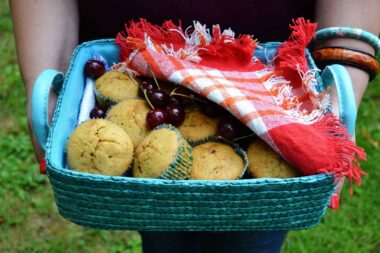
Another great way to utilize whole grains is to incorporate them into baked goods. Whole grain flours can be used in place of all-purpose flour in your favorite recipes. For example, try substituting spelt flour in muffins or pancakes for added texture and nutrition. Additionally, use cooked grains like brown rice or quinoa in granola bars for a unique twist on your traditional recipes. When baking with whole grain flours, you’ll want to adjust the liquid content since they usually absorb more moisture than regular flour. Don’t be afraid of experimenting; creating your own healthy snack options with ancient grains can be fulfilling and beneficial to your dietary needs. Whole grains are not just for savory dishes; sweet treats can benefit greatly from their nutty flavors, too! Consider making cookies using oats or experimenting with buckwheat in brownies. The options are limited only by your creativity. This will not only enhance the flavor but also provide additional nutrients in your baked goods.
Where to Buy Ancient Grains
Finding high-quality ancient grains can be as easy as visiting your local grocery store or health food store. Many specialty stores now carry a variety of these grains, often in bulk sections, which can save you money. Farmers’ markets are also fantastic places to find fresh, organic grains, allowing you to support local agriculture while securing great products. Additionally, you might want to explore online retailers, which offer an even wider selection. Various companies provide convenient delivery services for a variety of organic ancient grains straight to your door. When shopping, always check the packaging and ensure there are no additives. If you can, buy in small quantities to prevent waste, especially if you are trying new grains. Store them properly in airtight containers in a cool, dark place to maintain their freshness, as whole grains can spoil faster than refined grains due to their healthy oils and fats. Lastly, do not forget to read customer reviews to make informed decisions when purchasing online, ensuring quality and satisfaction.
As you embark on your journey with ancient grains, it is crucial to incorporate them gradually into your diet. Start by swapping out refined grains in your favorite meals for a whole grain alternative. Experiment with different cooking methods and recipes to discover which grains and types of preparation you enjoy the most. The key is to stay curious and creative, allowing your preferences to guide your culinary experiments. You may find that certain grains pair wonderfully with specific cuisines, enhancing both flavor and nutrition. Many cultures around the world utilize ancient grains in unique and delightful ways, so reading about these traditions can provide additional inspiration for your cooking. Always look for ways to make your meals more colorful and versatile, using grains as a canvas for other vibrant ingredients. Utilizing ancient grains not only benefits your health but also supports sustainable farming practices. You will not only enjoy delicious food but also partake in a rich history of agriculture and culinary evolution that spans centuries.
In conclusion, exploring ancient grains is an adventure worth taking. By implementing these nutritious ingredients into your routine, you can diversify your meals and nourish your body effectively. The myriad health benefits of whole grains cannot be overstated — from improved digestion to increased energy levels. As you learn to prepare and cook these grains, feel free to share your experiences and dishes with friends and family. Creating delicious meals together can foster a communal connection around food that transcends generations. Ancient grains are not merely a trend; they are valuable resources that have sustained numerous cultures throughout history. By incorporating them into your meals, you contribute to a more nutritious and sustainable lifestyle. Experimenting is key; don’t shy away from trying new flavors and combinations that surprise your palate. Embrace the versatility and richness that ancient grains bring to the table, transforming your meals into memorable experiences that delight all. So next time you plan your grocery list or menu, consider adding ancient grains, ensuring both nourishment and taste.