
Common Misalignments and How Pilates Can Fix Them
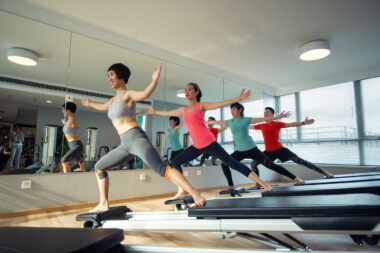
In the journey of maintaining physical well-being, common body misalignments significantly impact our quality of life. These misalignments can lead to discomfort and can affect movements crucial in daily activities. Addressing these issues is fundamental for overall health. Issues such as rounded shoulders, anterior pelvic tilt, and hip misalignment manifest in various ways. Rounded shoulders, caused by prolonged sitting, strain the upper back and neck, while anterior pelvic tilt can lead to low back pain. Misalignment of the hips often hampers lower body movements, affecting posture and stability. Fortunately, Pilates offers effective techniques to address these misalignments. By focusing on proper body mechanics and alignment during workouts, individuals can build strength, increase flexibility, and improve overall posture. With targeted exercises, Pilates helps to cultivate better body awareness. Thus, it proves to be integral not only in rehabilitation but also in preventing further injuries. The focus on core strength makes Pilates unique, emphasizing the importance of stability during movement. Hence, it becomes an ideal practice for anyone looking to restore balance and promote overall alignment in their bodies.
To understand how Pilates can help with misalignments, it is essential to recognize the significance of core stability. Core stability forms the foundation of nearly every movement we make. A strong core offers support to the spine and enhances overall body control. In contrast, if the core is weak, misalignments surface more readily, leading to various physical issues. Pilates focuses on strengthening core muscles, including the transverse abdominis, rectus abdominis, obliques, and lower back muscles. These muscles significantly influence overall posture and alignment, creating a harmonious balance throughout the body. As individuals engage in Pilates exercises, not only do they lengthen and strengthen these specific muscle groups, but they enhance their proprioception. Proprioception refers to the awareness of body position and movement, which helps in correcting misalignments. Improved proprioceptive skills enable individuals to adjust their movements more accurately, minimizing the risk of injury. With a stronger core and enhanced body awareness, individuals can minimize the risk of injury while performing daily tasks. As such, Pilates can be a transformative practice promoting a more aligned and balanced body.
Common Misalignments Addressed by Pilates
In the realm of exercise and rehabilitation, several common misalignments can affect individuals. For example, neck tension arises frequently from everyday stress and poor posture. Similarly, knee pain can emerge from muscle imbalances or improper alignment during activities. Addressing these misalignments through targeted Pilates exercises can yield remarkable benefits. Individuals struggling with neck tension will find that certain Pilates movements can alleviate strain and promote relaxation in the upper body. Often, specific stretches and strengthening exercises target the muscles surrounding the neck to relieve soreness. Furthermore, paying attention to knee alignment during Pilates can prevent future discomfort. Many Pilates movements emphasize the importance of maintaining proper knee alignment during leg movements. Basic exercises like the leg slide can help restore balance and strength around the knee joint. As they do this, students may begin to notice improvements in their range of motion and overall comfort. Therefore, through a consistent Pilates practice, individuals can not only alleviate existing misalignments but also reinforce their bodies against future postural injuries.
Another critical aspect of misalignments is how they relate to the spine. Often, individuals experience issues resulting from poor spinal alignment, particularly caused by sedentary lifestyles. For instance, excessive sitting leads to shortened hip flexors and weakened abdominal muscles, contributing to lower back pain. Through Pilates, practitioners can restore proper spinal alignment by focusing on key principles, such as elongation and proper engagement of core muscles. Exercises that emphasize spinal articulation help individuals develop better strength and flexibility in their backs. Movements such as the roll-up and spine stretch create awareness around spinal alignment, allowing participants to develop a deeper understanding of their body mechanics. Additionally, awareness practice helps monitor how one’s posture shifts throughout the day, which can be incredibly enlightening. By incorporating Pilates into their routine, individuals can effectively relearn how to align their spine correctly. Ultimately, strengthening the back through Pilates can lead to a significant reduction in lower back pain, supporting a healthier, more balanced lifestyle.
The Role of Breathing in Pilates
A fundamental principle of Pilates is breathing. Breath control plays a vital role in executing movements correctly and maintaining alignment. Proper breathing techniques help in engaging the core effectively, facilitating better support for the spine. Engaging the diaphragm while exhaling also helps stabilize alignment during various exercises. Pilates teaches individuals to synchronize their breathing with movement, allowing for a more fluid workout. Furthermore, utilizing proper breath encourages relaxation and assists in reducing tension, particularly in areas where misalignments may occur. Incorporating breath awareness helps participants to stay grounded throughout their exercises. As one learns to pay attention to their breath, they often notice how it affects their alignment and muscular engagement. For instance, a deeper exhale can lead to a more profound engagement of core muscles, directly contributing to better posture and alignment overall. Therefore, mastering the art of breath within Pilates proves to be instrumental in addressing misalignments effectively. Participants often find themselves more aware of their physical state through the connection between breath and movement when practicing Pilates.
Incorporating Pilates into a comprehensive fitness regime can lead to lasting changes that promote better alignment. Individuals who commit to regular Pilates practice often report improvements in flexibility, strength, and overall body awareness. By addressing misalignments consistently, they can not only mitigate discomfort but also foster a sense of empowerment. Understanding one’s body can be transformative, especially when aligned with proper movement patterns. The journey of aligning the body is one that requires patience and dedication. Over time, individuals may notice greater ease in performing daily activities such as lifting objects or even walking. Sustained Pilates practice helps build a foundation of strength and stability critical for maintaining proper alignment. This newfound awareness can also extend to other movement practices, improving overall fitness capabilities. Furthermore, the importance of a balanced workout cannot be overstated. Including elements of flexibility, strength training, and awareness will create a well-rounded fitness program. Ultimately, the process of alignment through Pilates is beneficial not only for the body itself, but for cultivating confidence and a positive lifestyle.
Conclusion: A Path to Better Alignment
In summary, the journey towards overcoming common misalignments is one that can be effectively approached through Pilates. The holistic approach of Pilates focuses on strengthening the core, improving awareness, and enhancing flexibility. By implementing this practice regularly, individuals can address misalignments and ultimately achieve better overall alignment and well-being. It is essential to underscore the importance of consistency in one’s practice, as results often take time to manifest. Unexpected progress can occur in one’s body as they continue to engage with Pilates principles over weeks and months. By focusing on both physical and mental aspects of fitness, Pilates fosters a strong connection between mind and body. This awareness not only helps individuals in their Pilates practice but also spills over into day-to-day life. Whether you are new to Pilates or have been practicing for a while, understanding the correction of misalignments is fundamental. As practitioners embark on their wellness journeys, they can rely on Pilates as a guiding pillar toward achieving balance, strength, and harmony. Thus, Pilates serves as a transformative tool for addressing misalignments and enhancing overall quality of life.
Overall, Pilates offers a unique, multifaceted approach to addressing common misalignments in the body. By focusing on core strength, enhanced body awareness, proper alignment, and the power of breath, practitioners can cultivate remarkable changes. The comprehensive nature of Pilates makes it suitable for individuals of various fitness levels and backgrounds. As a result, it stands as a robust ally in promoting wellness and addressing postural issues. Those seeking a balanced approach can find solace in the guidelines provided by Pilates, ensuring a lasting impact. So, the next time misalignments arise, consider the transformative potential of Pilates. Embracing this practice may lead to a newfound sense of equilibrium and vitality in daily life.