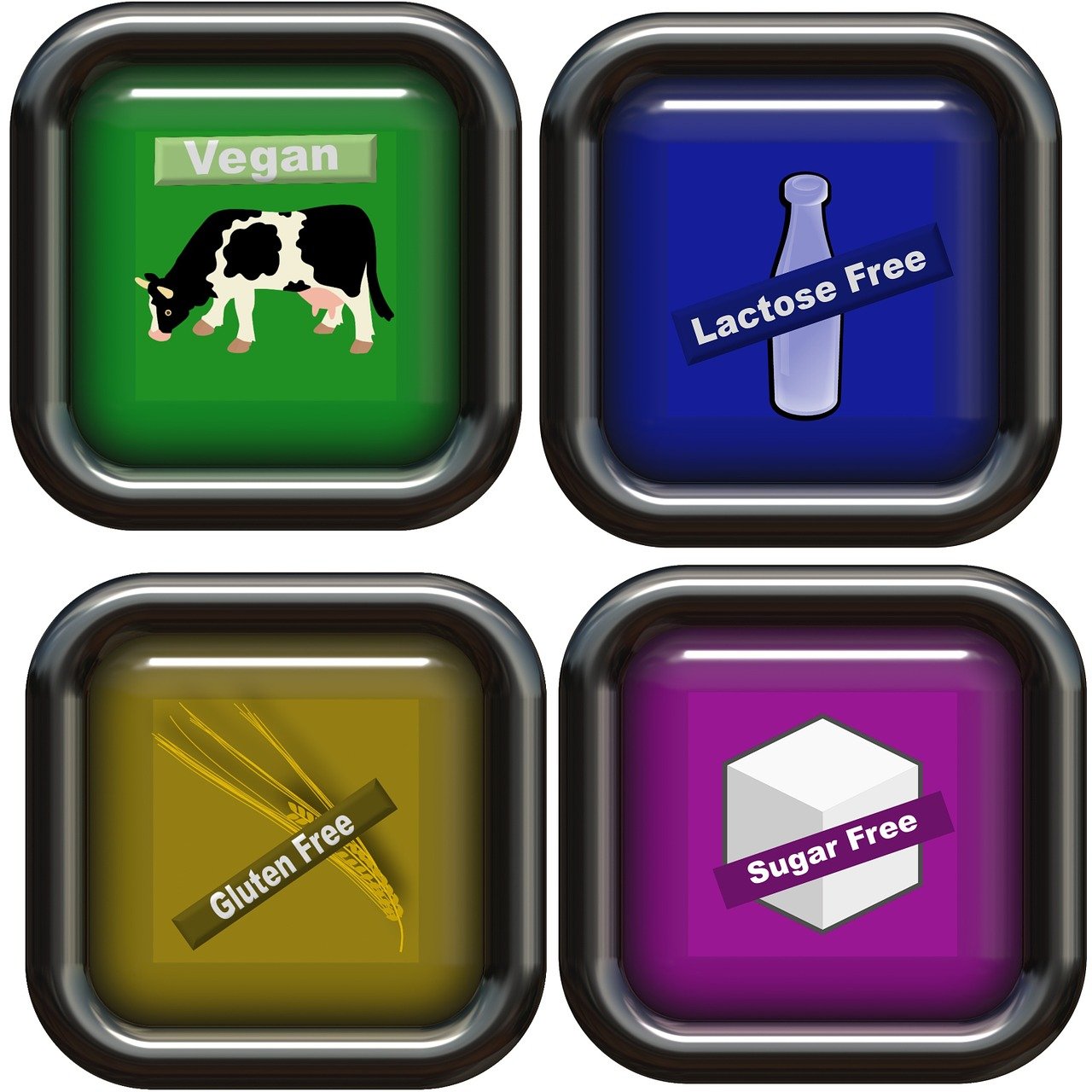

Understanding Food Allergies and Veganism
Food allergies impact a significant portion of the population, prompting many to seek alternatives in their diets. Those who adopt a vegan lifestyle often prioritize plant-based ingredients. However, some staple vegan foods may collide with common allergens. For example, soy is prevalent in vegan alternatives but can trigger allergic reactions in sensitive individuals. Addressing this, it’s crucial to identify substitutes that align safely with veganism while avoiding allergens. This guide aims to provide useful information on effective vegan substitutes for common allergenic ingredients. By doing this, you can maintain a balanced diet and stay healthy while navigating the complexities of food allergies. Understanding the interplay of these factors can help you create meals that are both nourishing and safe. Furthermore, labels are essential; thus, always check ingredient lists and potential cross-contamination warnings. Awareness and education empower your choices, ensuring you can enjoy delicious meals without the risk of allergic reactions. With a little creativity and knowledge, you’re well-equipped to explore a diverse range of foods that accommodate your dietary preferences while safeguarding your health. The next sections will delve deeper into suitable substitutes.
Discovering Dairy Alternatives
Dairy is one of the most common allergens, yet many vegan recipes require creamy textures. Fortunately, there are several plant-based alternatives that effectively replace dairy products. Nut-based creams such as cashew cream offer a rich texture and can be used in sauces or desserts. Coconut milk, whether canned or boxed, serves well in soups and curries. For those avoiding nuts, try oat milk or soy yogurt as viable substitutes for traditional dairy products. Each option brings unique flavors that can enhance your dishes. Additionally, there are commercial vegan cheeses made from potatoes and tapioca starch, mimicking the texture of cheese. These products can easily be used on pizzas or in pasta dishes. Doing some research will help you find varieties without allergens. One can also make homemade alternatives to ensure no allergens are included. To sweeten dishes, consider using maple syrup or agave nectar instead of honey, keeping your meals vegan-friendly. Furthermore, understanding the nutritional profiles of these substitutes will help in maintaining balanced meals. Thus, exploring these dairy alternatives opens culinary possibilities for delicious vegan dishes without dairy.
Finding Egg Replacements
Eggs are prevalent in many recipes but are major allergens for many people. Thankfully, several plant-based alternatives serve as excellent egg substitutes in vegan cooking. For baking, options like ground flaxseed mixed with water or chia seeds create a gel-like consistency that works well in recipes for cookies and cakes. Other substitutes include silken tofu, which has a creamy texture perfect for scrambles and quiches. Mashed bananas or unsweetened applesauce also act as reliable substitutes in sweet dishes while adding flavor. Additionally, aquafaba, the liquid from canned chickpeas, is an innovative alternative, excelling particularly in meringues and mousse preparations. When substituting eggs, remember to consider the desired outcome of the dish; for instance, some alternatives work better for binding, while others are ideal for leavening. The versatility of these substitutes proves essential not only for vegans but also for individuals with egg allergies. Exploring these egg replacements opens up creative avenues in the kitchen, making it easier for anyone to enjoy delicious, egg-free dishes. Experimenting can lead to discovering personal favorites in your culinary journey.
Replacing Gluten and Wheat
Gluten is another common allergen, and many vegans search for gluten-free options. Fortunately, numerous alternatives exist to replace wheat products that often contain gluten. Alternatives such as almond flour, coconut flour, and chickpea flour provide great bases for vegan baking. Additionally, gluten-free pasta made from rice or lentils offers possibilities for diverse meal options. When it comes to bread, several brands cater to gluten-free diets using various seeds and grains for texture. Moreover, quinoa and buckwheat are excellent gluten-free grains to consider in meal preparation. Experimenting with different flours and grains not only expands dietary options but also enhances nutritional content. Always check labeling to ensure the absence of cross-contamination with gluten-containing ingredients. For sauces or breading, look for alternatives such as cornstarch or arrowroot as thickening agents. Embracing gluten-free vegan recipes can lead into a healthier eating lifestyle. There are countless recipes online that guide you through creating satisfying meals without gluten or wheat. This approach allows everyone to partake in vegan cuisine, regardless of dietary restrictions. Balancing these options effectively will allow you to explore rich flavors and textures.
Nut-Free Options for a Vegan Diet
Nuts provide valuable nutrition and flavor in numerous vegan recipes; however, they pose allergy concerns. Luckily, several nut-free alternatives exist for those affected by nut allergies while maintaining a full vegan diet. Seeds like sunflower, pumpkin, or hemp seeds offer similar textural benefits and can substitute nuts in granolas or salads. Nut butters pose a challenge, yet sunflower seed butter is a delicious alternative for spreads, smoothies, or baking. For creamy sauces or dips, consider using tahini, a paste made from sesame seeds. These alternatives still provide healthy fats and proteins without the risk of nut allergies. Improving texture and flavor in dishes can be accomplished creatively without including nuts. You might also use legumes such as chickpeas or lentils as protein-rich substitutes, providing versatility. Moreover, incorporating various vegetables can contribute to a well-rounded meal. As always, ensure thorough research regarding allergies and cross-contamination related to these substitutes. Exploring nut-free alternatives can expand your culinary creativity while guaranteeing safety. This exploration may reveal tasty new meals that satisfy both your health and dietary needs.
Sweeteners for Vegan Diets Without Allergens
Many vegans rely on sweeteners to enhance flavors in various foods. While sugar is often vegan, some alternatives may not be allergen-friendly. This section explores options that avoid common allergens while complementing vegan diets. Maple syrup and agave nectar are excellent replacements for honey, offering unique flavors while remaining plant-based. For those sensitive to certain foods, date syrup acts as a natural and nutritious sweetener for recipes or drinks. Coconut sugar serves as another alternative, adding a caramel-like taste to desserts. Additionally, stevia and monk fruit extracts provide sweetness without calories or allergens. They are particularly beneficial for anyone managing blood sugar levels. Ensure to check for potential allergens in packaged products, as some may contain trace amounts. When experimenting with sweeteners, consider how their flavor profiles affect the overall dish. Incorporating these various sweeteners creatively can elevate vegan meals without compromising dietary requirements. Further, combining sweeteners can create unique flavors in desserts or beverages. Embracing alternative sweeteners fosters a well-rounded vegan diet that respects your health choices while enjoying delectable foods.
Final Thoughts on Vegan Substitutes and Allergies
Incorporating vegan substitutes for common allergenic ingredients fosters a safe and enjoyable culinary experience for individuals with dietary restrictions. By understanding the options available and creatively integrating them into cooking, we can enhance meals while ensuring safety. Awareness of allergies serves as a foundation upon which we build flavorful and diverse vegan diets. The substitutes discussed—from dairy and egg replacements to sweeteners—unlock possibilities. Everyone should enjoy satisfying meals irrespective of food sensitivities by adopting these alternatives. Planning meals allows one to incorporate these substitutes more effortlessly. Continuously exploring and experimenting with different ingredients enriches our knowledge about food and its potential. As dietary needs evolve, sharing discoveries among communities promotes inclusivity. Engaging in discussions about veganism and allergies can further educate others, showcasing how adaptable and exciting vegan cuisine can be. Dive into this culinary adventure and witness firsthand how creative approach transforms familiar recipes into delightful dishes that cater to various dietary requirements. Ultimately, embracing these substitutes supports healthy living while indulging in delicious food. Being knowledgeable and resourceful is key to thriving while navigating food allergies and maintaining a plant-based lifestyle.