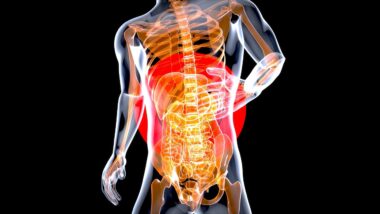

Understanding the Link Between Breath and Digestive Wellness
Breathing techniques have been gaining recognition for their role in enhancing digestive health. By integrating deep breathing exercises into our daily routine, we can significantly improve our digestive functions. Deep breathing works by activating the parasympathetic nervous system, which encourages relaxation and aids digestion. When we breathe deeply, we stimulate the diaphragm, allowing the abdomen to expand and contract effectively. Proper deep breathing promotes oxygen circulation throughout the body, facilitating better organ function. As the diaphragm moves, it may also massage the internal organs, including the stomach and intestines, fostering improved digestion. This physiological response can aid in combating issues such as bloating, constipation, or indigestion. Therefore, incorporating deep breathing practices not only relaxes the mind but also boosts digestive efficiency. It’s crucial to recognize that our breath and emotions are interconnected. Stress often leads to shallow breathing, which can hinder proper digestion. By practicing deep breathing, we can calm our minds and bodies, setting a foundation for better digestive health. Regularly engaging in these techniques can ultimately lead to a holistic approach towards wellness.
Understanding how deep breathing correlates with digestion involves recognizing various breathing patterns. Most individuals often engage in shallow breathing during stressful moments, resulting in less oxygen reaching vital organs, including the digestive tract. By learning to breathe deeply and mindfully, one can significantly improve the oxygen supply to these areas. This increase has a direct effect on how efficiently our digestive system operates. Breathing deeply not only brings more oxygen in but also promotes relaxation. When we are calm, our body can easily focus its energy on digestion rather than on combating stress and anxiety. Incorporating deep breathing can be simple; for instance, the 4-7-8 technique is quite effective. In this method, inhale for four seconds, hold for seven seconds, and exhale for eight seconds. Such patterns encourage extended exhalation, which helps eliminate carbon dioxide efficiently. This technique not only aids in absorption of nutrients but helps regulate the digestive system. Regular practice of these specific breathing techniques can foster significant improvements in not just digestion, but overall mental well-being, emphasizing a harmonious relationship between breath and bodily functions.
The Science Behind Breathing Techniques
Research shows that the link between our breath and physiological responses is profound, especially for digestion. When practicing deep breathing, the body releases various neurotransmitters that contribute to relaxation and ease gastrointestinal discomfort. Deep breathing techniques, such as the abdominal or diaphragmatic breath, empower individuals to harness control over their stress levels. By calming the mind through focused breathing, we reduce cortisol levels. Elevated cortisol levels often lead to digestive problems such as inflammation, slow digestion, and imbalanced gut bacteria. Essentially, learning how to breathe deeply can create a domino effect on our well-being. As we inhale deeply, we engage our diaphragm and create negative pressure in the abdomen. This negative pressure encourages blood flow through the digestive organs, fostering better nutrient absorption and metabolic function. Furthermore, expelling toxins via prolonged exhalation enhances digestive efficiency as well. By mastering these techniques, individuals can arm themselves with tools to tackle everyday stressors while promoting optimal digestive health. This understanding is essential for anyone looking to enhance their quality of life through mindful practices.
Mindfulness and breath awareness are essential components in utilizing deep breathing techniques for digestion effectively. Integrating mindfulness into these practices can deepen the benefits, leading to enhanced awareness of bodily sensations. This awareness allows individuals to recognize when to breathe deeply, particularly during instances of digestive discomfort or stress. Setting aside a few minutes daily for mindfulness meditation can integrate well with deep breathing techniques. Start by finding a comfortable position, closing your eyes, and focusing on your breath. From here, focus on inhaling deeply through your nose, feeling your abdomen rise and fall with each breath. Subsequently, let your thoughts observe the sensations within your body without judgment. This process encourages relaxation and signals the brain to manage digestion actively. Recognizing your body’s needs can be transformative, as it nurtures a deeper connection with your body’s rhythm and functions. Over time, practicing such awareness can lead to significant shifts in how your digestive system responds, making it easier to digest not only food but also life experiences. The practice of mindful deep breathing fosters a consistent foundation for approaching both physical and emotional wellness.
Practical Deep Breathing Exercises for Digestive Health
Implementing practical deep breathing exercises into daily life can be straightforward and rewarding as well. Three effective exercises are beneficial in promoting digestion: diaphragmatic breathing, 4-7-8 technique, and alternate nostril breathing. Diaphragmatic breathing involves consciously engaging the diaphragm by placing a hand on your belly. Inhale through the nose, ensuring your belly rises, and exhale while feeling it fall. This exercise aids in relaxation and oxygenation. The 4-7-8 technique, as previously mentioned, paves the way for increased efficiency in oxygen intake and overall calmness. Finally, alternate nostril breathing improves mental clarity while promoting balance within the body. To practice, use your thumb to close the right nostril. Inhale through the left, then close it while releasing the right. Alternate to ensure balance and harmony. These exercises encourage deeper, more effective breathing, aiding digestive processes. Fostering a daily routine of these techniques can yield benefits by easing discomfort, reducing bloating, and enhancing nutrient absorption. Additionally, they can be performed anytime and anywhere, making them a perfect addition to one’s wellness strategy.
In addition to regular practice of deep breathing exercises, dietary adjustments can work harmoniously to enhance digestive health. Proper nutrition fuels the body, while breath can optimize the digestive process. Eating smaller, balanced meals can alleviate pressure on the digestive system while interspersing mindful breathing throughout the day. When consuming meals, it is beneficial to adopt deep breathing strategies before and after eating. This helps the body transition into a digesting state. When the digestion process is activated, individuals tend to absorb nutrients more effectively. Incorporating foods rich in fiber, such as vegetables and whole grains, alongside staying hydrated, encourages optimal digestion. Moreover, avoiding processed foods high in sugar can help support gut health. When coupled with deep breathing techniques, the body is better equipped to handle stressors that could otherwise lead to digestive disruptions. A proactive approach combining breath, nutrition, and mindful practices creates an impactful strategy for ongoing digestive wellness. When individuals prioritize this holistic approach, they deepen their connection with their bodies, leading to improved longevity. Ultimately, cultivating this awareness instills a sense of control over one’s health and lifestyle.
Conclusion: Embracing Breath for Digestive Wellness
Embracing breath as a tool for digestive wellness can lead to transformative benefits in overall health. Throughout this exploration of deep breathing and its profound connection to digestive function, it becomes clear that the act of breathing is more than just a physiological necessity. It serves as a powerful mechanism for stress relief, enhancing mental clarity, and promoting gut health. By practicing mindful breathing techniques, individuals can actively engage in better digestion, effectively responding to the body’s changing needs. The exceptional ability of breathing techniques to enhance oxygen supply, activate the parasympathetic nervous system, and foster relaxation empowers individuals to reclaim control over their bodies. Engaging in regular practice strengthens not only the connection with oneself but also contributes to lasting wellness. The insights gained through understanding breath work extend well beyond digestive health; they create a holistic environment nurturing both physical and mental well-being. Turning breath into a daily practice that is both intentional and nurturing, pairs seamlessly with nutritional choices for optimal outcomes. Ultimately, the journey to digestive wellness begins with understanding the profound impact of our breath.