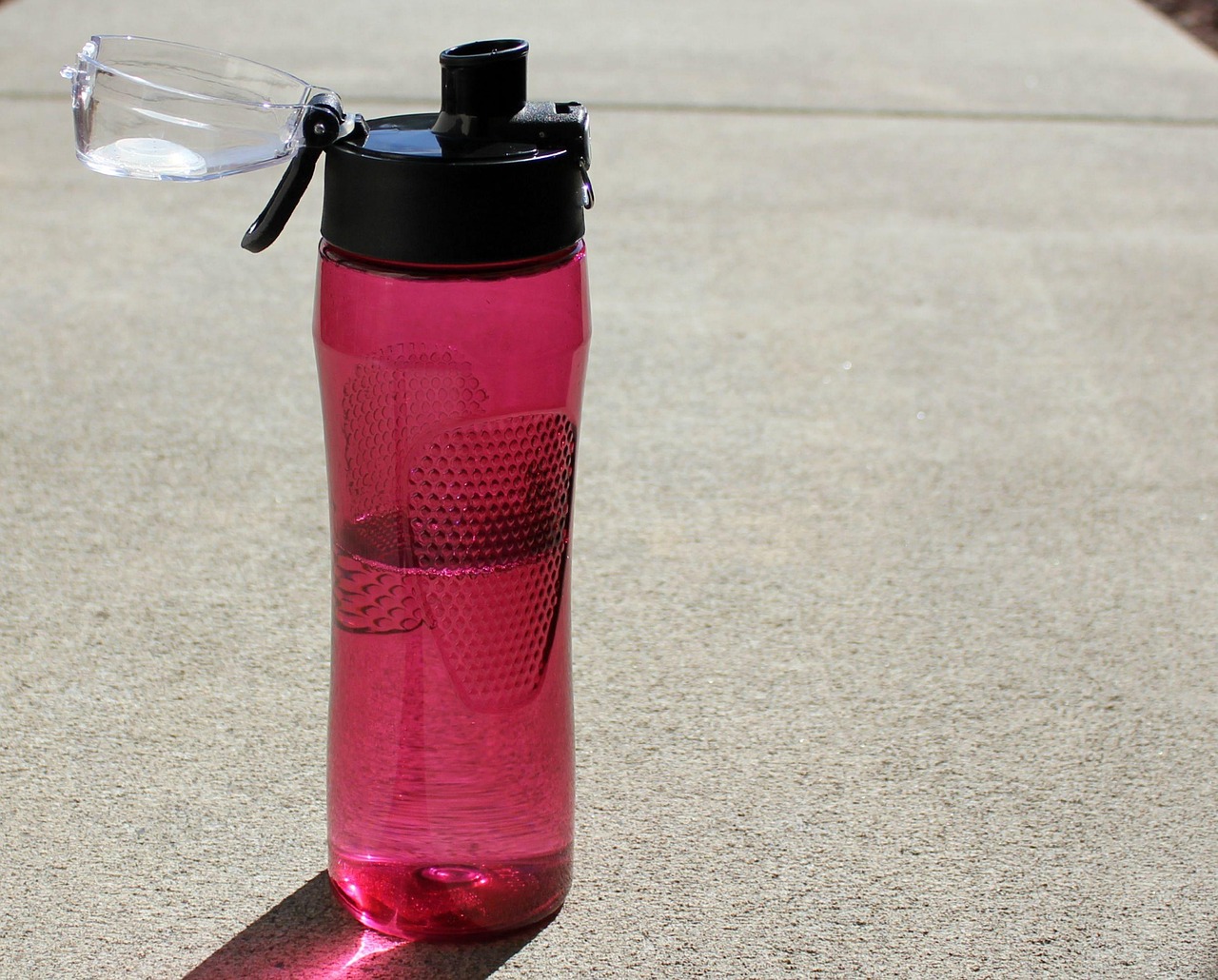

The Importance of Hydration During Cardiovascular Exercise
Hydration is a fundamental component of physical activity, especially during cardiovascular exercises. Staying properly hydrated not only enhances performance but also helps maintain overall health. Water is vital for regulating body temperature, lubricating joints, and transporting nutrients. Without sufficient fluids, even mild dehydration can lead to performance decreases. Therefore, ensuring adequate hydration is critical before, during, and after exercise. This is particularly important for cardiovascular training, as it typically involves prolonged and strenuous activity, which increases fluid loss through sweat. Therefore, developing a hydration strategy prior to engaging in cardiovascular workouts is wise. Individuals should consider their specific exercise environment, intensity, and duration to effectively plan hydration needs. In doing so, they can optimize their physical potential and ensure they can sustain their training routines. With proper hydration, individuals can not only exercise longer but also with greater intensity and focus. The body requires more fluids during cardiovascular training due to the increased sweating and energy expenditure. Hence, recognizing the importance of hydrating adequately is essential for anyone engaging in cardiovascular exercises.
Dehydration can significantly hinder cardiovascular performance. When fluid levels drop, the heart has to work harder to pump blood. This can result in increased heart rates and reduced endurance. Additionally, dehydration may lead to an increase in body temperature, which poses additional risks during physical exertion. During exercises like running, cycling, or swimming, the body loses water through sweat. If fluid intake does not adequately replace this loss, dehydration can set in, causing fatigue and disrupting performance. In extreme cases, dehydration can even lead to serious health issues. To effectively combat dehydration, individuals need to be aware of their hydration status. Monitoring urine color, thirst signals, and how they feel during workouts can provide important clues about their fluid needs. It is especially important to hydrate before and during workouts to maintain optimal body functioning. Drinking water or an electrolyte-rich sports drink can help prevent dehydration and enhance exercise performance. Therefore, integrating regular hydration practices into exercise routines is vital. Following these practices will enable athletes and fitness enthusiasts to achieve their cardiovascular training goals more effectively.
Optimal Hydration Strategies
To develop an effective hydration strategy, consider factors that influence fluid needs. For instance, climate plays a significant role in determining how much water individuals need. Hot or humid conditions typically require greater fluid intake due to increased sweat loss. Likewise, the intensity and duration of workouts need careful attention. Athletes engaged in long-duration workouts may benefit from electrolyte-replenishing beverages to restore lost minerals. Throughout the day, sipping water regularly can help maintain hydration levels in preparation for exercise. Furthermore, consuming water-rich foods, such as fruits and vegetables, can assist in fulfilling hydration needs. Foods like watermelon, oranges, and cucumbers not only provide hydration but also essential vitamins and minerals. During workouts, drinking small amounts of water every 15 to 20 minutes may keep fluid levels balanced. Post-exercise, it’s equally important to rehydrate thoroughly to recover from the strain of physical activity. Sports drinks can also serve as a beneficial option when exercising for extended periods, as they provide hydration and electrolytes. Ultimately, understanding individual hydration needs leads to better performance during cardiovascular training.
In addition to hydration strategies, understanding the signs of dehydration can be crucial for effective cardiovascular training. Early signs include thirst, dark urine, and dry mouth. Recognizing these symptoms can help individuals adjust their fluid intake accordingly. More severe symptoms may include dizziness, headache, and decreased performance. Ignoring these signs could lead to more serious complications, such as heat exhaustion or heat stroke. Hence, being proactive about hydration not only supports athletic performance but also promotes health and safety. Integrating hydration checkpoints into training schedules may encourage more consistent fluid intake. Coaches and trainers should emphasize the importance of hydration, especially during hot or strenuous workouts, to foster a culture of awareness around this crucial aspect of exercise. Establishing personal hydration goals can further motivate individuals to prioritize their fluid intake. Wearing a water bottle during workouts can also serve as a visual reminder for ongoing hydration. Ultimately, staying ahead of dehydration enables better focus and stamina during cardiovascular activities. By prioritizing hydration, athletes and fitness enthusiasts can sustain higher levels of performance and reduce the risk of related health issues.
Hydration and Recovery
The role of hydration extends to post-exercise recovery, playing a key part in restoring the body after cardiovascular workouts. After intense physical activity, rehydration helps replenish lost fluids and supports the recovery process. When muscles are properly hydrated, they recover more efficiently, reducing soreness and enhancing overall resilience for future workouts. Additionally, hydrating after exercise helps maintain optimal metabolic functions, ensuring nutrients are effectively transported throughout the body. Consuming fluids after a workout can aid in reducing recovery time, allowing individuals to return to their training regimens more swiftly. It is particularly beneficial to consume fluids that contain electrolytes post-exercise, to replace lost sodium and potassium. This helps mitigate the risk of cramps and further dehydration during subsequent training. Incorporating a mix of water and electrolyte-rich drinks can enhance recovery strategies significantly. Furthermore, timing is crucial; focusing on rehydration within 30 to 60 minutes after exercising is often recommended. Taking these steps allows the body to bounce back more efficiently. Ultimately, staying hydrated during and after exercise is vital for long-term cardiovascular health and performance.
Besides physical benefits, adequate hydration also positively impacts cognitive functions during cardiovascular training sessions. Staying hydrated helps maintain concentration and reduces fatigue, enabling better focus during exercises. Water plays a crucial role in brain function, so adequate hydration levels can enhance the mind’s ability to coordinate movements and respond to physical demands effectively. When dehydrated, cognitive functions can dwindle, leading to reduced decision-making capabilities and overall physical performance. This is particularly important for sports involving complex skills or quick reactions. For instance, athletes engaged in high-intensity workouts or competitive scenarios might experience impaired judgment if dehydrated. Hence, optimizing hydration not only aids the body’s mechanics but also enhances performance on a cognitive level. Furthermore, positive hydration habits can extend beyond workouts into daily life, promoting better overall health. By prioritizing hydration consistently, individuals can elevate their performance both during their workouts and in their daily activities. Aiming for optimal hydration fosters a positive cycle of health, enhancing both physical and mental attributes. Developing this essential habit will contribute significantly to achieving fitness goals effectively.
Conclusion
In conclusion, hydration stands out as a crucial element in cardiovascular training. Proper fluid intake not only enhances workout performance but helps prevent dehydration-related complications. As discussed, individuals must develop an awareness of their hydration needs, tailored to their specific circumstances. Monitoring factors such as climate, exercise intensity, and duration will enable better evaluation of fluid requirements. Moreover, immediate attention to early signs of dehydration will go a long way in maintaining optimal performance. Implementing effective hydration strategies before, during, and after exercises can significantly influence overall outcomes. Emphasizing hydration as a priority fosters enhanced recovery and cognitive function, promoting a holistic approach to fitness health. By making hydration a staple component of training routines, individuals can maximize their cardiovascular performance and foster better health. In doing so, they contribute positively to their overall well-being, setting themselves on a path for sustained success. Thus, educating oneself about this essential aspect of physical activity is imperative. Increasing awareness and understanding of hydration should inspire changes in exercise routines. Taking steps to prioritize hydration leads to achieving long-term cardiovascular health.
Overall, one of the greatest takeaways from this focus on hydration is understanding its significance in both athletic performance and daily life. Just as energy levels and physical capabilities depend on proper nutrition, they equally rely on effective hydration. Individuals often overlook the impact of hydration, thinking they can sustain workouts without considering fluid replacement. This misconception can lead to deteriorating performance and potential health issues. Therefore, it’s essential to nurture mindfulness around fluid intake, stakeholder benefits that extend beyond workouts. Whether it’s a leisurely jog or a high-intensity interval training session, hydration should never be an afterthought. Ensuring regular water consumption throughout the day creates an excellent habit that supports overall health. Encouraging group workouts can further emphasize hydration as a collective effort, fostering positive relationships among individuals intent on achieving fitness goals. Regardless of one’s fitness levels, instilling proper hydration practices can facilitate a higher quality of life. Ultimately, these habits have the power to transform workouts and enhance physical and mental well-being. Making conscious choices about hydration allows individuals to embrace their journey in cardiovascular training successfully.