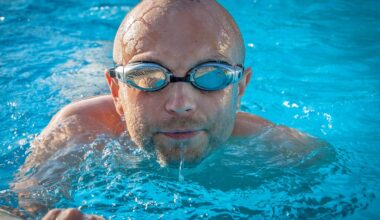

The Impact of Regular Exercise on Cerebral Palsy Symptoms
The importance of regular exercise for individuals with cerebral palsy cannot be overstated. For many, engaging in physical activity is not just beneficial but essential. Exercise can help mitigate various symptoms associated with cerebral palsy, thereby enhancing overall quality of life. Regular activity improves muscle strength, flexibility, and coordination. Additionally, it can lead to better mental health outcomes, fostering a sense of accomplishment and reducing feelings of isolation. There are different types of exercises that can be undertaken, tailored to individual needs. These include strength training, aerobic exercises, and stretches. Importantly, engaging in a consistent exercise routine can greatly improve mobility and independence. Various adaptive sports programs emphasize engaging everyone irrespective of their capabilities. Participation in these programs creates opportunities for social interactions, further enriching lives. Moreover, incorporating family or friends into these activities encourages a supportive environment, which can be motivating. With guidance from trained professionals, individuals can learn effective techniques to manage their physical limitations. Therefore, making exercise a routine part of life can lead to significant improvements in both physical and mental aspects for those with cerebral palsy.
Types of Exercises Beneficial for Cerebral Palsy
When considering exercise for individuals with cerebral palsy, it’s critical to identify which types are most beneficial. Strength training is one approach that can lead to improvements in muscle tone and function. Incorporating activities like resistance bands or light weights can significantly enhance physical strength. Additionally, therapeutic exercises focused on flexibility, such as yoga or stretching, are important to prevent stiffness. These exercises promote better range of motion, enabling more easeful movement throughout daily life. Aerobic exercises, including swimming or cycling, are also recommended for cardiovascular health, helping enhance endurance and stamina. Participating in recreational activities can provide not only physical benefits but also social engagement. Adapted sports teams often offer environments conducive to participation and interaction, promoting both fitness and friendships. Group classes designed specifically for those with disabilities encourage camaraderie while learning physical skills. This inclusion leads to further motivation. Regular assessments by a healthcare provider can help in tracking improvements, tailor exercise programs, and adjust goals. Thus, understanding the suitable exercise modalities can empower individuals with cerebral palsy, enhancing their participation in varied activities and improving their overall health status.
Furthermore, incorporating technology can enhance the exercise experience for individuals with cerebral palsy. Various fitness apps and wearable devices can aid in tracking progress, making exercising more enjoyable and motivating. They can provide real-time feedback related to performance, heart rate, and even calories burned, aiding in setting achievable goals. Moreover, virtual reality technologies are emerging, allowing immersive and engaging workout experiences at home or in therapy settings. Interactive games encourage movement without the individual feeling like they are exercising in a traditional sense. These innovations create a fun atmosphere, especially for younger individuals, reinforcing the habit of regular exercise. Community resources, including support groups and fitness classes specializing in adaptive strategies, further promote engagement and knowledge sharing. Healthcare practitioners can recommend these resources for obtaining guidance tailored specifically to the needs of those with cerebral palsy. In summary, with both traditional and technological advancements in exercise, individuals with cerebral palsy are better equipped to engage in physical activities that suit their abilities and preferences. Leveraging these tools can facilitate greater inclusion and enhance fitness routines across various skill levels, reinforcing the idea that exercise is for everyone.
Challenges Encountered in Exercise
Despite the numerous benefits associated with exercise, many individuals with cerebral palsy encounter specific challenges. Physical limitations such as muscle tightness, weakness, or spasticity can hinder participation in certain activities. These limitations may result in decreased motivation or fear of injury, making it crucial to address these issues proactively. Additionally, societal misconceptions often lead to feelings of inadequacy, making individuals hesitant to engage in physical activities. It’s essential to foster an environment of encouragement and understanding, helping break down these barriers. Professionals within the adaptive fitness sector are essential in providing education, demonstrating proper techniques, and offering support. They can help individuals recognize their potential as well as identify adaptive tools that can make exercising more accessible. Rehabilitation programs specifically tailored for participants with cerebral palsy can play a significant role in addressing limitations while providing the necessary education about body mechanics. Overcoming these challenges requires a support system consisting of family and friends who can promote inclusivity in exercise routines. Therefore, awareness and targeted efforts can greatly reduce apprehensions surrounding exercise while highlighting its importance for those living with cerebral palsy.
Another significant aspect of fostering exercise adherence among individuals with cerebral palsy is the critical element of motivation. Building intrinsic motivation can be achieved by setting realistic, achievable fitness goals. Celebrating small victories helps maintain enthusiasm and showcases progress, which is essential for long-term commitment. Moreover, finding enjoyable activities is fundamental to instill a love for exercise. Engaging participants in the decision-making process regarding their exercise routines fosters ownership, making them more likely to adhere to the program. Social support plays an essential role too, providing encouragement and reducing feelings of isolation. Support groups or family exercise events can enhance motivation by creating a community around physical fitness. Taking advantage of collaborative activities helps individuals connect with others facing similar challenges. Clinicians and trainers specializing in adaptive fitness are valuable resources, guiding individuals toward activities suited to their abilities. They offer encouragement, promoting self-efficacy and empowerment. In conclusion, understanding and addressing the motivational factors surrounding exercise can make significant differences in the lives of those with cerebral palsy, instilling healthier habits that will last a lifetime.
Future Perspectives on Adaptive Fitness
As we explore the future of adaptive fitness, there is a growing recognition of the importance of inclusivity in all areas of exercise. Research continues to unveil innovative approaches in physical therapy and exercise programming, significantly benefiting individuals with cerebral palsy. Expanded community programs focused on inclusive physical activities will likely increase in availability. These programs enhance accessibility for individuals by providing tailored exercises that consider individual needs, limitations, and preferences. Technology will also play a vital role in shaping fitness approaches; the integration of smart technology, such as interactive training systems, will enhance engagement. These advancements will help facilitate a more personalized approach to fitness, allowing users to experience customized routines leading to better results. Continued advocacy for workplace and community adaptations will inspire more individuals to engage in physical activities over time. Additionally, collaboration among researchers, healthcare providers, and fitness professionals will ensure continual growth in adaptive fitness. Ultimately, promoting awareness of the benefits of exercise will contribute positively to societal perceptions surrounding disabilities, leading toward a more inclusive future. This shift will undoubtedly empower individuals with cerebral palsy to engage fully in physical activities.
In conclusion, the impact of regular exercise on cerebral palsy symptoms is profound. This engagement improves not only physical conditions but significantly enhances emotional well-being, quality of life, and social interactions. With tailored programs, individuals can find suitable activities that accommodate their needs and abilities. Addressing barriers to participation can foster resilience and motivation, making fitness an integral part of daily life. Continual support from healthcare providers, trainers, and community resources is essential for ensuring successful exercise routines. The collective effort to enhance the landscape of adaptive fitness encourages greater participation while fostering supportive environments. As society continues to promote inclusivity and understanding, individuals with cerebral palsy can thrive in their fitness journeys. Recognizing improvement in both physical and emotional health must drive our commitment to adaptive fitness. Ultimately, the positive outcomes stemming from regular exercise highlight the importance of dedication and tailored programs for these individuals. As more people come together to support exercise innovations and initiatives, the future looks bright for individuals with cerebral palsy and their fitness endeavors.