
How Gratitude Practices Can Improve Pain Outcomes
Gratitude practices are essential tools for enhancing mental well-being and can significantly impact pain management. Many individuals experience chronic pain, which often leads to emotional distress. By incorporating gratitude into their daily routines, they may shift their focus from pain to positivity and overall well-being. This shift can result in decreased perceptions of pain and improved emotional states. Various studies suggest that gratitude practices, like keeping a gratitude journal or reflecting on positive experiences, can be beneficial for mental health. These activities encourage a more positive worldview, helping individuals manage pain successfully. Notably, it can alter neural pathways associated with pain, promoting healthier responses to pain stimuli. Individuals engaging in gratitude practices reported feeling more emotional resilience, which can be paramount when coping with persistent pain. Furthermore, fostering gratitude can enhance interpersonal relationships by enabling better social support systems. Enhanced social networks may provide additional comfort and reduce the feeling of isolation often experienced with chronic pain. Integrating gratitude into pain management could enhance various health outcomes and improve quality of life for many individuals experiencing chronic discomfort.
The Science Behind Gratitude and Pain Relief
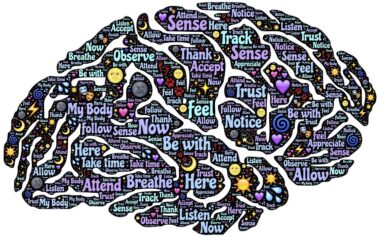
The connection between gratitude and physical pain relief has been a topic of growing interest among psychologists and health professionals. Research indicates that maintaining a gratitude practice can influence brain areas associated with emotions and pain perception. When individuals engage in gratitude exercises, their brain’s activity can shift, which may decrease feelings of pain. Furthermore, gratitude can also reduce negative emotions such as anxiety and depression often coinciding with chronic pain. The behavioral activation stemming from feeling grateful can lead to healthier lifestyle choices such as improved sleep, proper nutrition, and increased physical activity. All of these factors can play a role in decreasing pain levels. Practicing gratitude does not mean ignoring pain; instead, it allows individuals to acknowledge their experiences while focusing on positive aspects of their lives. This practice generates a greater sense of control over one’s pain and may contribute to reduced pain severity based on improved mental outlook. Effective methods include expressing gratitude verbally or through journaling, reminders of the positive elements in life, which can collectively contribute to better pain management results. The focus on positivity may lead to holistic healing approaches in pain relief.
Practical Gratitude Exercises
Implementing gratitude practices into daily life does not require extensive effort, and several effective exercises can be easily adopted. Keeping a gratitude journal is one of the most recommended methods; committing a few minutes each day to write down positive experiences can profoundly affect mental health and pain perception. This simple yet powerful exercise enables individuals to focus on what brings them joy, creating a more optimistic outlook. Another practical exercise is the ‘gratitude letter,’ whereby individuals write a letter to someone who has significantly impacted their lives, expressing appreciation and gratitude for their influence. This promotes emotional connection and affection, which are important aspects of emotional healing. Mindfulness meditation can also serve as an excellent platform for cultivating gratitude; focusing on the present moment and acknowledging positivity can encourage a shift in perspective. Daily affirmations that revolve around gratitude may be beneficial as well. Posturing oneself in a state of gratitude enhances emotional states and may alter our body’s physiological responses to pain. Engaging with these practices holistically allows for enhancing well-being while managing pain effectively.
Social support can also amplify the benefits of gratitude practices in managing pain. Connecting with others who share similar experiences creates a sense of community and belonging, making challenges more bearable. Group gratitude activities, such as sharing reflections with friends or family, can foster deeper relationships while encouraging accountability for one’s gratitude journey. Furthermore, social support can provide validation and understanding for those dealing with chronic pain, enhancing emotional support. It is vital for individuals practicing gratitude to share their journey, as they can inspire each other to maintain the practice routinely. Group workshops or online communities focused on gratitude can cultivate an environment rich in positivity and resilience. The communal expression of gratitude strengthens emotional bonds among participants, supporting overall mental health. Accessing support systems fosters a culture of gratitude, which can be vital for building resilience against chronic pain. These social connections enable individuals to deal with pain management by focusing on collective well-being rather than isolation. The more connected individuals feel, the more powerful their gratitude practices can become, allowing them to combat pain effectively.
Long-Term Benefits of Gratitude in Pain Management
Gratitude practices can create lasting benefits over time, particularly for those managing chronic pain conditions. The cumulative effects of gratitude may lead to sustained improvements in emotional and physical health. By regularly engaging in gratitude, individuals can rewire their thought processes about pain and suffering, rendering them more resilient and better equipped to handle pain. As gratitude nurtures optimism, chronic pain is perceived with reduced intensity when compared to those without such practices. This shift helps mitigate the impact of pain on daily life and activities. With continued practice, new neural pathways strengthen, leading to a more adaptive response to discomfort. Embracing gratitude can open the door for additional therapeutic methods, such as cognitive behavioral therapy, enhancing pain management techniques. Over time, gratitude practices can lead to healthier coping strategies, minimizing reliance on medication or other interventions. Furthermore, those who consistently practice gratitude often find a deeper appreciation for life, fostering higher overall life satisfaction. This overarching positivity supports general well-being, enabling individuals to visualize a life less dominated by pain, paving the way for hope and healing.
Emotional awareness is another significant aspect where gratitude can influence pain management. Understanding one’s emotions related to pain may uncover avenues for healing. Individuals who regularly practice gratitude can become more attuned to their emotional states and responses. This heightened awareness can lead to acknowledging pain while simultaneously finding ways to cope with it effectively. Gratitude fosters self-compassion, allowing individuals to treat themselves with kindness during painful times. Recognizing that experiencing pain is part of the human condition can help mitigate feelings of frustration or guilt. Appreciating moments of relief, even amid discomfort, contributes to self-kindness and acceptance. Additionally, focusing on the positive aspects of life may encourage individuals to engage more fully in activities they love, distracting from pain. Establishing healthy routines, such as exercise or socializing can enrich emotional health. Altogether, enhancing consciousness of emotions through gratitude practices positions individuals for not just better pain management, but also overall personal growth. The resulting emotional intelligence gained enables them to navigate life’s challenges with grace and resilience.
Conclusion: Embracing Gratitude for Enhanced Pain Management
The integrative approach of utilizing gratitude practices within pain management is an empowering strategy worth exploring. Gratitude fosters positive emotional and social connections that can lead to better overall health outcomes. By shifting focus to positivity through gratitude, individuals may find significant relief from pain, experiencing improved mental clarity and emotional stability. Moreover, embracing gratitude can build resilience against the adversities presented by chronic pain, equipping individuals with essential tools to manage discomfort effectively. These practices encourage awareness and appreciation of one’s journey, allowing individuals to cherish moments both big and small. Incorporating gratitude not only reduces the emotional burden of pain but also opens avenues for holistic healing, making it a valuable addition to any pain management strategy. Encouraging individuals to embark on this gratitude journey creates a more meaningful and fulfilling pain management experience. Health professionals should consider incorporating these practices in their treatment approaches, emphasizing the mind-body connection made possible by gratitude. The ultimate goal remains finding balance, well-being, and improved quality of life amidst the challenges posed by chronic pain.