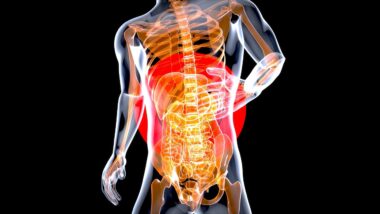

How Deep Breathing Reduces Stress-Related Digestive Problems
Digestive problems can be exacerbated by stress, leading to discomfort and health issues. Deep breathing techniques can effectively mitigate these stress-related digestive problems. By focusing on deep abdominal breathing, we engage the diaphragm, which promotes better digestion. When you inhale deeply, your diaphragm pulls down, creating more space in the abdominal cavity. This action assists in stimulating the digestive organs, enhancing their functionality. Moreover, slow, controlled deep breathing activates the parasympathetic nervous system, which is crucial for relaxing the body and facilitating digestion. Stress causes the body to enter a fight or flight state, which negatively affects digestion. Conversely, practicing deep breathing during stressful moments can provide immediate relief. Techniques such as inhaling for a count of four, holding for seven, and exhaling for eight are effective methods to adopt. You can practice these techniques anywhere, whether at home, work, or even in social settings. Therefore, incorporating deep breathing into your daily routine can help reduce stress and improve digestion significantly. It reestablishes a sense of calm and balance, allowing your digestive system to function efficiently, promoting better overall health.
The Science Behind Deep Breathing
The physiological effects of deep breathing on the body are profound and scientifically backed. When you practice deep breathing, it increases oxygen flow throughout the body, supporting metabolic functions. A higher oxygen level enables cells to operate optimally, which is essential for digestion. Furthermore, deep breathing reduces cortisol levels—the hormone associated with stress—and can alleviate symptoms of anxiety. This reduction directly impacts digestive health since stress hormones interfere with digestion by slowing it down or causing spasms. Regular practice of deep breathing also encourages a more balanced autonomic nervous system, which controls digestion. A calmer nervous system promotes optimal conditions for digestion, allowing for proper enzyme function and nutrient absorption. The relaxation engendered by deep breathing can also combat gastrointestinal issues such as bloating, constipation, and heartburn. Over time, those who adopt deep breathing techniques often report improved digestive health and general well-being. Incorporating deep breathing practices for just a few minutes daily can lead to notable results. Therefore, it’s crucial to understand the science behind these practices and tap into their benefits effectively.
The role of mindfulness in deep breathing cannot be understated. When practicing deep breathing, combining it with mindfulness techniques amplifies benefits even further for digestive health. It’s essential to focus attention on your breath so that you foster a meditative state. This mindfulness creates an opportunity to acknowledge and release stress. By being present, you learn to manage emotions and triggers contributing to stress-related digestion issues. Engaging in mindfulness can shift your mindset and response to stress, promoting relaxation. Many find that setting aside a few minutes daily for mindfulness deep breathing enhances overall health significantly. Breathing in this conscious way not only calms the mind but also signals the body to activate the relaxation response. This leads to improved digestive functioning, including better movement in the intestines. Additionally, practicing gratitude while deep breathing can further enhance the positive outcomes associated with these techniques. Gratitude can shift focus away from discomfort and stress, allowing you to be more in tune with your body’s needs. Over time, this practice can lead to profound improvements in your digestive health and emotional state.
Practical Deep Breathing Techniques
Implementing practical deep breathing techniques into your daily routine can be highly beneficial for digestion. One effective method is the “4-7-8 breathing” technique. Here’s how to perform it: Sit comfortably, close your eyes, and inhale through your nose for a count of four. Hold your breath for a count of seven, then exhale through your mouth for a count of eight. Repeat this cycle for about four times to experience its full effects. This technique can be practiced before meals to prepare your body for digestion, especially if you feel anxious. Another simple technique is “abdominal breathing,” where you focus on allowing your abdomen to rise and fall with each breath. You can practice this by placing one hand on your chest and the other on your abdomen. When breathing, strive to move your abdomen rather than your chest. This encourages deeper breaths and enhances oxygen flow, promoting digestion. To integrate deep breathing into your life, consider setting reminders or incorporating it into your meditation sessions. Consistency is key to reaping the benefits.
Additionally, understanding when to employ these breathing techniques can maximize their effectiveness. During stressful moments, where tension commonly arises, practicing deep breathing can be a game changer. For instance, before meals, engaging in deep breathing can calm the mind and prepare the body for food intake. This practice can diminish anxiety related to eating, which can cause digestive concerns like bloating or nausea. Moreover, deep breathing can be beneficial following a meal, as it can alleviate discomfort. By sitting quietly and engaging in controlled breathwork, you promote relaxation and give your digestive system the chance to function effectively. Engaging in deep breathing before bed can also help relieve any accumulated stress throughout the day. A few minutes of mindful deep breathing can lead to improved sleep quality, allowing the body to restore and repair overnight. This restorative sleep is vital not only for mental health but also for digestive health. Stress management through proper breathing can enhance gut health, shift food pathways, and aid digestion. Therefore, evaluating specific times for deep breathing practices can lead to significant improvements.
Conclusion: Embrace Deep Breathing for Digestive Health
In conclusion, incorporating deep breathing into your daily life can significantly improve your digestive health, particularly in ways related to stress. As stressors persist, the body’s reactions often lead to digestive distress. Understanding how deep breathing exercises work can provide a valuable tool for managing these conditions. This practice does not only lower cortisol levels but also stimulates the digestive system, allowing for better enzyme activity and absorption. Mindful breathwork creates a calming effect that positively shifts emotional and physical experiences related to food and digestion. Moreover, practical techniques such as the 4-7-8 and abdominal breathing can provide immediate relief from stress and discomfort in various situations. With consistency, these techniques yield comprehensive and long-lasting benefits. By establishing a routine, you can incorporate deep breathing into your daily rituals, enhancing both mental and digestive well-being. Embrace deep breathing as a holistic approach to achieving balance within your body. As you invest time in this practice, you will likely observe an improvement in your overall health and experience a more relaxed and nourished digestive system.
Overall, awareness around your breathing habits is essential for optimized digestion and experiencing a full, healthy life. By tapping into the power of deep breathing, you may find that not only are digestive problems alleviated, but your propensity towards stress issues could also be lessened. Lowering stress will foster an environment conducive to healthy digestion. Additionally, observing how emotions and thoughts influence physical health can enable a more mindful connection to one’s body. Learning to listen to these cues can change your relationship with food and wellness. Hence, embracing breathing techniques is not just about improving digestion; it involves a broader understanding of self-care and emotional regulation as well. This global perspective on health emphasizes the interconnectedness of body and mind. Through deep breathing, you begin to develop a proactive approach to stress and its physical ramifications, particularly for digestion. As you deliberately engage with breathwork, think of it as an ongoing journey towards wellness. Ultimately, understanding and practicing deep, mindful breathing can enhance your quality of life, providing tools for managing stress and improving your digestive health.