
Balancing Life and Fitness During Menopausal Hormonal Changes
Menopause is a natural phase in a woman’s life, represented by hormonal changes that may cause a variety of symptoms. These alterations can affect not only physical health but also emotional wellness. It is essential to understand these changes to develop effective strategies for maintaining a balanced life and fitness regimen. Regular exercise can significantly alleviate symptoms such as weight gain, mood swings, and decreased energy levels. Hormonal shifts can lead to osteoporosis, making strength training vital. Consider incorporating a balanced mix of aerobic exercises, strength training, and flexibility workouts into your routine. Another key component is nutrition; a diet rich in calcium and vitamin D helps support bone health during menopause. Additionally, healthy fats and proteins are important for hormonal balance. Staying hydrated and maintaining a consistent sleep schedule contributes greatly to overall well-being. Lastly, prioritizing self-care and mindfulness practices can enhance emotional resilience. Ladies, it is crucial to acknowledge these changes in your body, adapt your fitness activities focusing on overall health, and seek professional guidance whenever necessary to ensure proper exercise and diet.
Understanding the hormonal fluctuations during menopause can be key to navigating this phase successfully. As the levels of estrogen and progesterone decrease, many women experience symptoms such as hot flashes, insomnia, and mood swings. In addition to these changes, the body’s metabolism can slow, leading to potential weight gain. Women must approach fitness with an adjusted mindset during this time, emphasizing the importance of strength training and cardiovascular health. Incorporating activities such as yoga or pilates can maximize physical and mental benefits while improving flexibility and balance. Engaging in regular cardio like walking or swimming supports heart health, which becomes more critical during menopause due to increased heart disease risks. Moreover, listen to your body; avoid overly strenuous workouts that cause fatigue and focus on enjoyment. Community support and group classes can provide motivation and reduce feelings of isolation due to moodiness and changes in energy. Expect that hormonal changes can impact your recovery times and adjust workouts accordingly. Create a fitness plan that suits your specific needs to smoothen the menopausal transition while promoting longevity and overall health.
Nutrition and Diet in Menopause
The role of nutrition during menopause cannot be overstated, as what you eat directly affects your hormonal health. Diet choices that are rich in whole foods—fruits, vegetables, whole grains, and lean proteins—can help manage symptoms effectively. Consuming foods high in phytoestrogens, such as soy products, might alleviate hot flashes while promoting hormonal balance. Further, whole grains provide stabilizing energy, which is especially crucial when experiencing fatigue or mood fluctuations. A focus on high-quality protein sources supports muscle mass retention—essential as estrogen levels decrease. Including healthy fats like avocados, nuts, and olive oil in your diet can also assist with hormonal regulation and provide lasting energy. It’s advisable to limit processed sugars and saturated fats, as they can increase inflammation in the body. Staying hydrated is equally important; water aids digestion and helps maintain energy levels. If necessary, women should consult a health professional or nutritionist to tailor a diet plan specific to their needs to ensure optimal health during menopause. Normally, effective adjustments to diet make a substantial difference in managing menopausal symptoms and improving overall fitness.
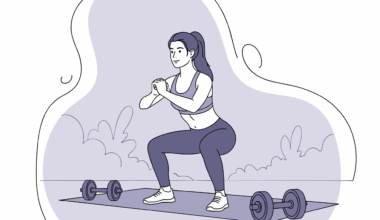
Physical fitness directly influences not only physical health but emotional well-being, particularly during menopause. Engaging in regular exercise can create significant improvements in mood, stress levels, and overall energy. The release of endorphins during exercise combats depressive feelings often experienced at this stage in life. It is crucial to understand that incorporating variety into your fitness regimen can help keep motivation high. Mixing workouts with low-impact options, including swimming and cycling alongside higher-impact activities like walking or running, keeps routines dynamic and enjoyable. Pay attention to how your body feels; it’s perfectly normal to adapt your routine based on energy levels. Strength training, an essential part of fitness during menopause, helps combat age-related muscle loss and bone density decline. Aim for a balanced fitness routine that includes strength, flexibility, and aerobic components for comprehensive health. Additionally, consider the value of working with a personal trainer familiar with menopausal fitness concerns to get personalized guidance. Finally, don’t forget the value of social connections in fitness—group classes or workout partners can make exercising more enjoyable, leading to long-term adherence.
Mindfulness and Emotional Health
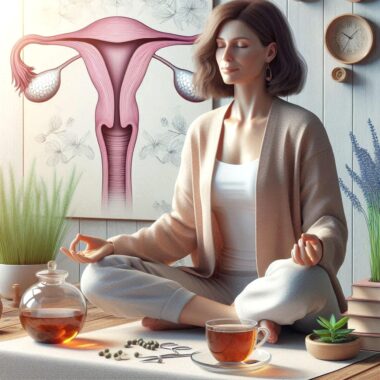
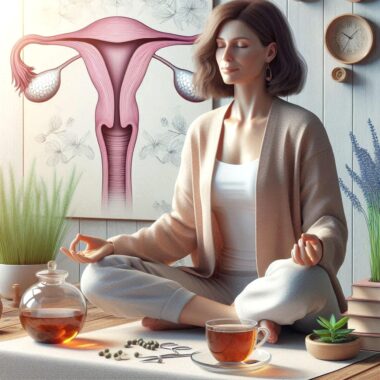
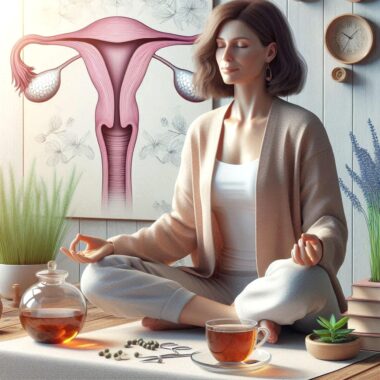
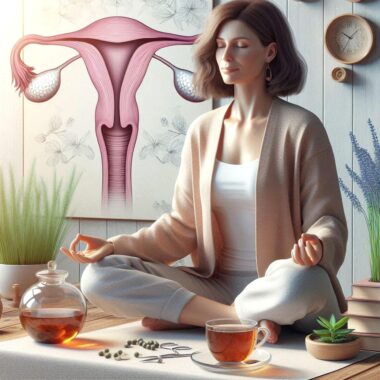
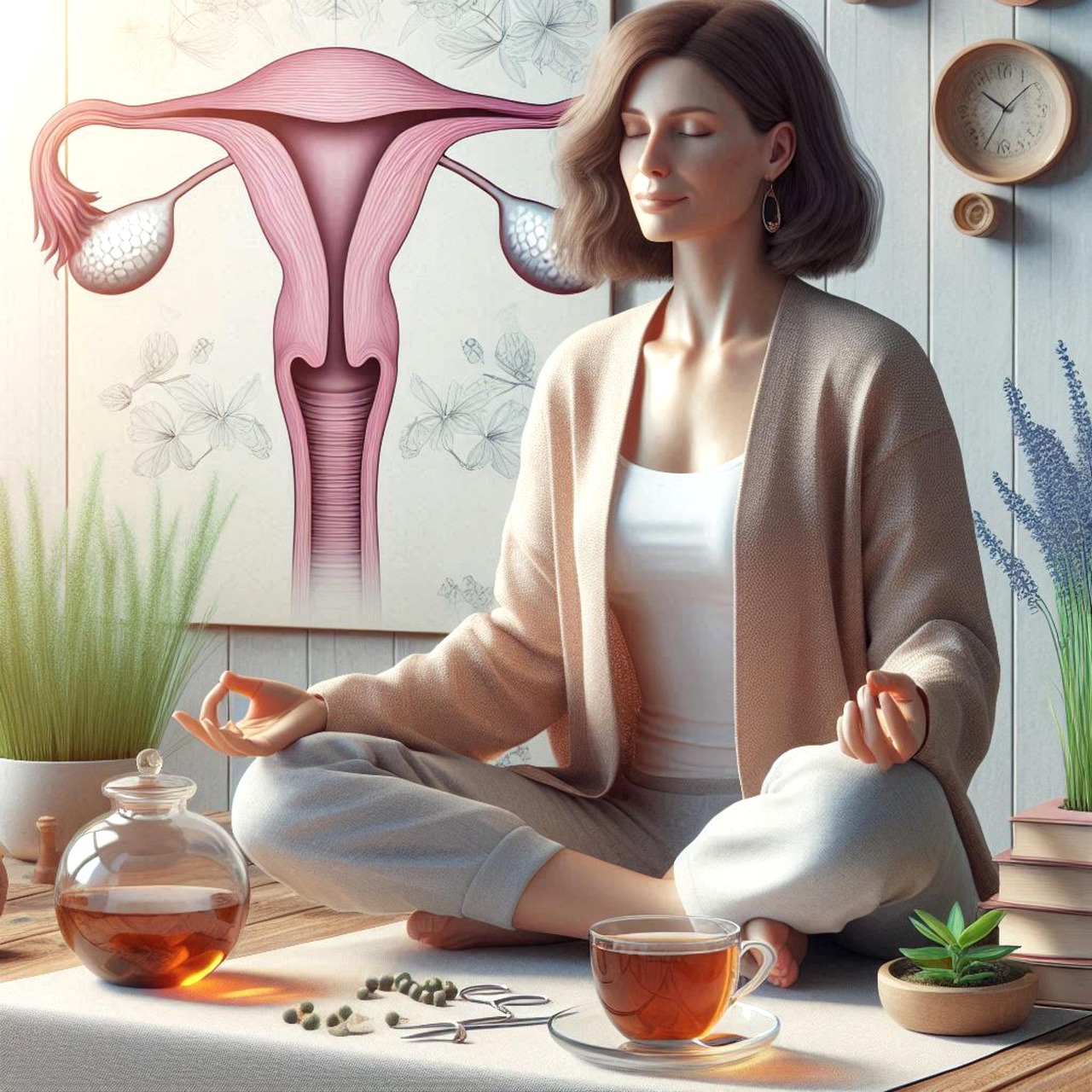
Amid the physical changes brought about by menopause, emotional health is equally affected. Practicing mindfulness can yield significant benefits during this transition, as heightened awareness mitigates stress and anxiety. Techniques such as deep breathing exercises, meditation, and mindfulness can improve focus while helping to process emotions better. Simple adjustments in daily routines, like establishing a morning or evening mindfulness practice, can enhance emotional resilience and well-being. Journaling your thoughts and feelings can also provide a valuable outlet for emotions that may feel overwhelming. Staying connected with supportive friends and family members is essential, as they can offer encouragement and companionship. Engaging in hobbies or activities that ignite passion can improve mood and provide joy amidst hormonal fluctuations. Scheduling regular “me time” isn’t just a luxury; it helps recalibrate your emotional state and tackle the feelings of loneliness that some women may experience during menopause. Participating in community programs or support groups specific to menopausal women can further build connections and share experiences. Thus, acknowledging emotional health alongside physical fitness can lead to a harmonious balance during this significant life stage.
In summary, embracing the changes of menopause positively impacts health and fitness. Women should focus on awareness of hormonal shifts and adapt their lifestyles accordingly. Achieving balance necessitates an understanding of how to integrate proper nutrition, regular exercise, and emotional care. Transitioning through this phase with grace involves both physical and mental adjustments. Women might find it helpful to document goals and progress to stay motivated throughout. Realizing that others experience similar challenges can also foster a sense of camaraderie. Seeking advice from healthcare providers offers additional assistance, particularly when establishing personalized fitness plans and dietary adjustments. Each individual’s journey is unique, and it is imperative to be patient with the process and learn what works best for your body. Education about menopause helps demystify symptoms and creates better preparation for what lies ahead. Lastly, understanding how to blend life with fitness during these hormonal changes allows women to experience the next chapters with vigor and enthusiasm. So, step forward confidently; embrace this new opportunity and craft a fulfilling path to health and wellness in this important stage of life.
Conclusion
Ultimately, balancing life and fitness during menopausal hormonal changes is achievable with the right knowledge and strategies. Menopause presents significant challenges, yet it also offers an opportunity for personal growth and enhanced awareness of well-being. Women can navigate this transition by being proactive about physical fitness and emotional health, adjusting routines, and incorporating enjoyable activities into their lives. Evaluate your current fitness plan and make adjustments as necessary to better align with your changing body. It’s essential to remember that while this transition can feel daunting, developing appropriate coping strategies can significantly lessen its impact. Surround yourself with positive influences—family, friends, or community organizations that offer support specifically for women in menopause. Engaging in discussions about experiences fosters connection. Seeking guidance from professionals like personal trainers or nutritionists knowledgeable in menopause can aid in making informed decisions about fitness and diet. This phase of life can be a rewarding journey of self-discovery. By cultivating resilience and adapting well, women can not only manage menopausal symptoms but also lead fulfilling lives that prioritize health and joy.
Takeaways from understanding and addressing menopause include that every woman’s experience is unique. Personalized approaches to fitness and nutrition are key to thriving through these hormonal changes. Mindfulness can improve emotional health, while maintaining social connections contributes to overall wellness. Prioritize self-care consistently, incorporating enjoyable physical activities and nutritious meals into your daily routine. Document your progress and learnings about your body to foster confidence. Remember that change is a natural part of life, and the adjustments made can lead to significant benefits. Embrace this transitional period as a time to reassess priorities and foster healthier habits that will benefit you beyond menopause. By staying informed, connected, and proactive towards health, women can experience a fulfilling and vibrant second half of life. Thus, the goal should be a blend of physical agility and emotional steadiness, grounded in sound nutritional choices. Through all these efforts, it becomes possible to thrive not just survive the menopausal journey, leading to a fulfilling sense of self and well-being amidst the changes this phase brings.