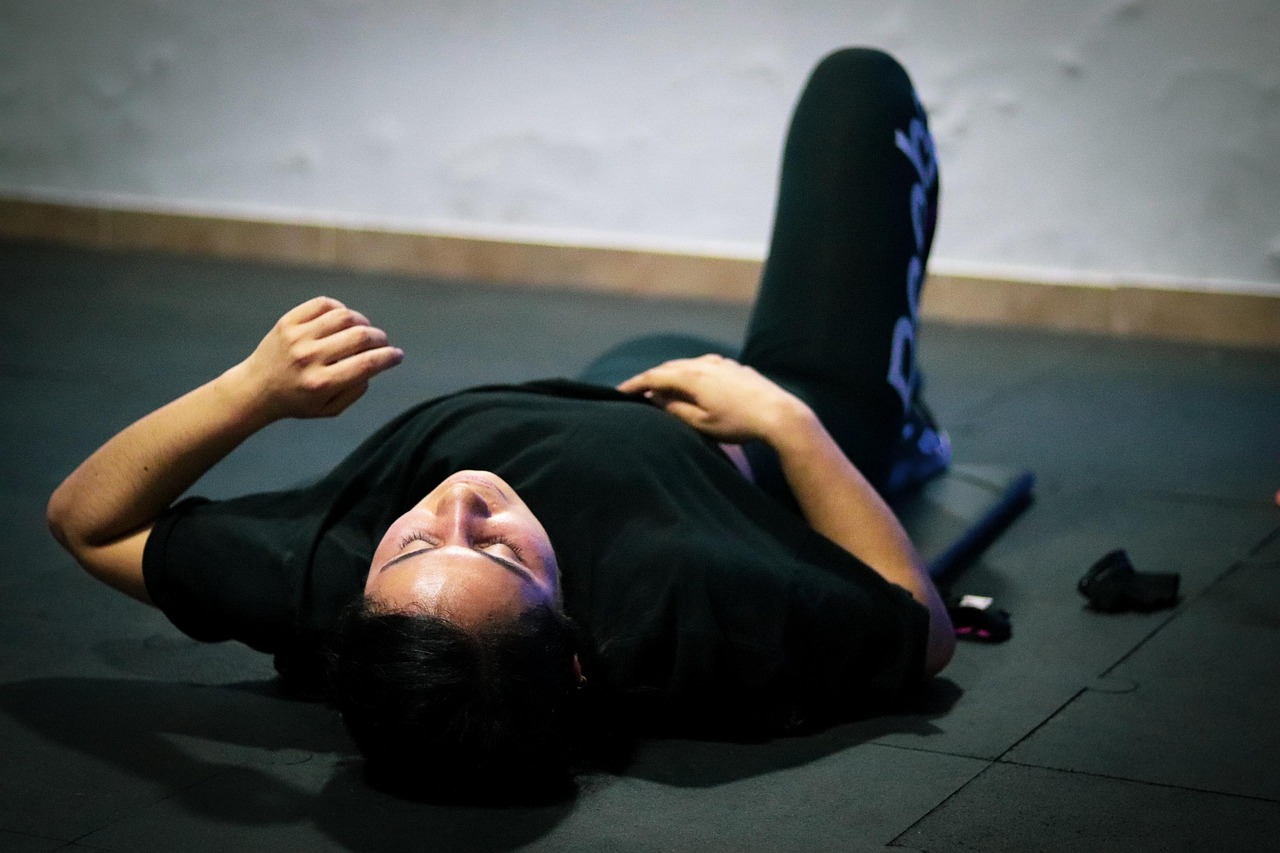

The Importance of Functional Core Training in Rehabilitation
Functional core training plays a crucial role in rehabilitation programs designed to enhance overall strength and stability. This type of training focuses on exercises that mimic everyday movements, helping individuals regain strength and functionality after injury. Traditional core workouts, while beneficial, may not prepare patients for real-life activities. Functional core training targets the deep stabilizing muscles of the core, which are essential for maintaining proper posture and balance. Rehabilitation patients often come from various athletic backgrounds or may have experienced accidents that limit their movement. Therefore, functional core exercises should be tailored to individual needs. Including movements such as rotational exercises can help reinforce the stability and coordination required in daily life. Moreover, this approach can significantly decrease the risk of future injuries. Understanding the importance of engaging multiple muscle groups during training helps patients develop long-term adaptability. This versatility in training not only aids recovery but encourages a healthier lifestyle. By incorporating functional core training principles, trainers can assist clients in resuming their everyday activities with confidence, ensuring that the rehabilitation process is effective and sustainable. This holistic approach empowers individuals and fosters resilience against future challenges.
Incorporating functional core training into rehabilitation offers a multitude of benefits. Firstly, it improves proprioception, which is the body’s ability to sense its position in space. During rehabilitation, joint stability is crucial for preventing re-injury, and by enhancing proprioception, individuals can better adapt to complex movements. Furthermore, core strength increases overall athletic performance and functionality. Functional core exercises not only work the abdominal muscles but also engage the hips, pelvis, and shoulders. This integration is vital for daily activities involving lifting, carrying, or twisting motions. Additionally, enhancing core stability reduces the impact on the spine and joints, lessening the risk of developing chronic pain. Trainers can also use functional equipment such as stability balls, resistance bands, and BOSU balls to create a more dynamic training environment. These tools challenge individuals while facilitating balance and coordination. Likewise, incorporating resistance training allows for incremental progression that can be adjusted based on patient comfort levels. As patients witness their abilities improve, their confidence grows, positively influencing their mental state. This renewed sense of achievement helps reinforce the commitment to their rehabilitation journey. Ultimately, functional core training significantly aids in restoring the physical and mental well-being of individuals.
Types of Functional Core Exercises
There are various effective exercises that define functional core training, each serving a unique purpose in rehabilitation. Planks, for example, are an excellent exercise for building core endurance. This static hold activates multiple muscle groups that stabilize the body during movement. Another effective exercise is the dead bug, which engages the core while promoting coordination between limbs. Additionally, the bird dog exercise enhances balance and core stability, mimicking movements individuals perform in daily activities. Furthermore, rotation-based exercises such as Russian twists help strengthen the oblique muscles, crucial for activities requiring twisting motions like throwing or turning. Incorporating functional squats not only boosts core strength but focuses on lower body muscles essential for stability and mobility. Lunges are equally beneficial, as they emphasize balance, coordination, and strength in various planes of motion. Incorporating these movements into a rehabilitation program ensures comprehensive muscle engagement. Moreover, trainers must personalize these exercises based on patients’ assessments. Correct technique is paramount for achieving optimal results while minimizing the risk of injury. Creating a progressive routine that introduces variations will keep clients engaged and motivated throughout their rehabilitation journey.
Adapting functional core training to patients with specific needs and limitations is essential for effective rehabilitation. Assessing each individual’s injury history and current capabilities allows trainers to design tailored programs that address their unique challenges. For instance, those recovering from lower back injuries may require modifications to exercises to protect sensitive areas while still benefiting from core strengthening. Sequential progression is critical; starting with basic exercises and gradually introducing more complex movements ensures that patients build a strong foundation. This step-by-step approach prevents overwhelming individuals already coping with pain or restrictions. Moreover, fostering open communication with clients allows for better insights into their comfort levels, ensuring a supportive environment. Incorporating feedback throughout the process can lead to adjustments or alternate exercises if discomfort arises. Creating a positive association with exercise during rehabilitation is necessary for long-term adherence. Patients will be more inclined to engage regularly when their training is structured around their personal experiences and goals. Ultimately, customizing functional core training not only addresses physical needs but also enhances psychological resilience, leading to a more successful rehabilitation journey overall. This personalized approach illustrates the significance of functional core training in achieving lasting results.
Monitoring Progress and Outcomes
Effective monitoring of progress in functional core training during rehabilitation is essential for achieving desired outcomes. Trainers should establish specific, measurable goals that align with the patients’ rehabilitation objectives. Tracking improvements through various metrics, such as increases in endurance or strength, provides tangible signs of progress. Additionally, trainers can assess functional movements to gain a deeper understanding of patients’ capabilities. Observing changes in movement patterns over time will highlight the effectiveness of exercises in enhancing core stability. Regular assessments can guide the modification of training protocols, ensuring exercises remain challenging yet achievable. Moreover, utilizing tools such as functional movement screenings can provide valuable insights into areas requiring further focus. This information enables trainers to emphasize weaker muscle groups or imbalances, assisting overall recovery. Furthermore, keeping a detailed log of patient feedback, challenges, and achievements will offer a holistic view of progress that may not be visible through quantitative measures alone. This feedback loop creates a collaborative atmosphere, inspiring patients to remain engaged and motivated throughout their rehabilitation journey. Incorporating progress monitoring not only enhances accountability but reinforces the patients’ commitment to their functional core training regimen.
In conclusion, functional core training plays a vital role in rehabilitation, enhancing recovery outcomes and improving overall quality of life. This approach integrates strength, balance, and coordination to prepare patients for daily activities, effectively reducing the risk of re-injury. By focusing on movement patterns that resemble real-life challenges, individuals regain not just strength but also confidence in their physical abilities. Trainers must prioritize personalization in their programming, considering each patient’s unique needs to foster an effective rehabilitation experience. Establishing achievable goals and fostering an open dialogue throughout the training journey enhances motivation and adherence. Moreover, consistently monitoring progress provides insights into the effectiveness of functional core training and allows for adjustments as needed. This adaptability ensures that training not only meets individual capabilities but also promotes a sense of accomplishment. Encompassing both physical and mental strategies, functional core training empowers individuals to embrace their rehabilitation journey positively. Thus, integrating functional core exercises can significantly enhance recovery outcomes while promoting a healthier lifestyle post-rehabilitation. Ultimately, the importance of functional core training in rehabilitation cannot be overstated, as it lays a solid foundation for enduring strength, stability, and resilience.
Taking Functional Core Training Beyond Rehabilitation
Functional core training should not be restricted to rehabilitation settings—it has immense potential for enhancing athletic performance and everyday activities. Athletes looking to improve their performance can reap significant benefits from a strong core, which provides better force transfer during dynamic movements. Furthermore, incorporating core-centric training into regular workouts can help prevent injuries by fortifying the muscles surrounding joints. Maintaining core strength is essential for athletes who engage in sports requiring agility and coordination, such as soccer or basketball. However, the principles of functional core training can also benefit non-athletes; individuals performing manual labor or those leading sedentary lifestyles can significantly enhance their stability and functionality by integrating core-focused exercises. Moreover, promoting ongoing core strength can aid in daily activities, such as lifting, reaching, or bending. Consistency in practice will ensure individuals maintain their core strength over time. Fitness trainers should educate their clients on the importance of incorporating functional core training principles into their routines outside of rehabilitation. This proactive approach to core training empowers individuals to adopt a comprehensive, long-lasting wellness strategy that caters to both physical fitness and overall well-being.
To summarize, the concept of functional core training represents a transformative approach to rehabilitation and well-being. By emphasizing comprehensive core strength and stability, individuals not only recover effectively from injuries but also build a resilient foundation for future challenges. With a focus on real-life functional movements, core training optimizes physical performance while fostering positive experiences in the process. Collaborative strategies between trainers and clients are essential for tailoring rehabilitation programs that meet individual needs and limitations. Progress tracking, combined with personalized adaptations, ensures that functional core training remains engaging and effective. Moreover, integrating these training principles into everyday routines offers benefits extending beyond rehabilitation. As individuals continue their journeys to strengthen their cores, they also contribute to ongoing health and wellness. This proactive mindset fosters resilience and prepares individuals for any physical challenge. Ultimately, functional core training holds the key to a healthier and more active lifestyle, underscoring its importance not only during rehabilitation but throughout life. With proper implementation and focus, it can be a game-changer in fostering physical resilience and improving quality of life overall.