
The Impact of Protective Gear Technology Advances on Injury Prevention
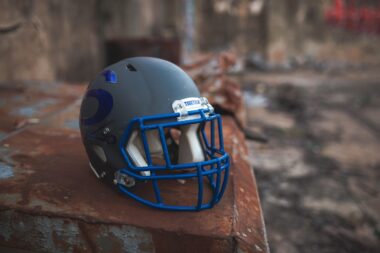
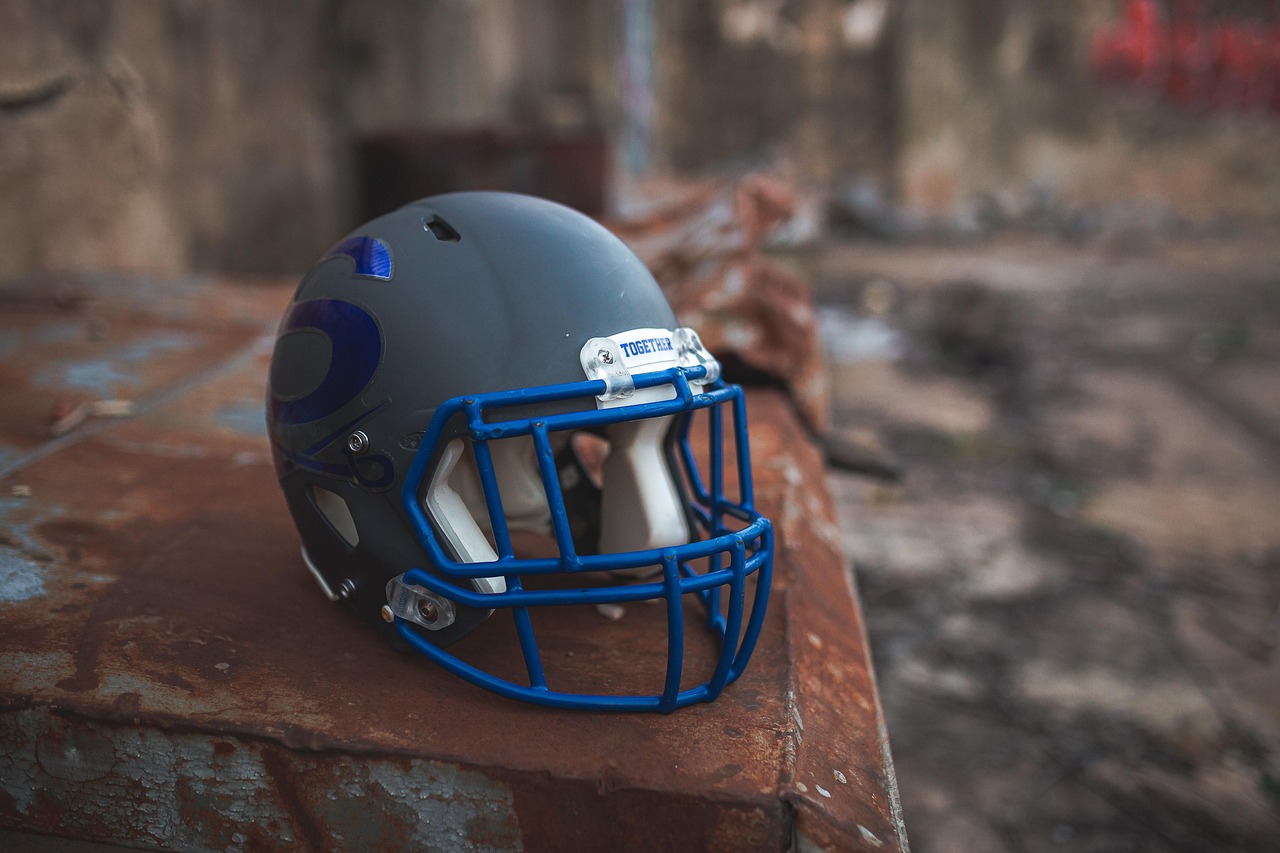
In modern sports and activities, the importance of protective gear cannot be overstated. Over the years, advances in technology have significantly enhanced protective equipment designed to minimize the risk of injuries. Athletes and participants in various sports now benefit from cutting-edge materials that offer improved durability and comfort. These advancements ensure that protective gear fits better, allowing for greater freedom of movement while maintaining optimal safety. Innovations in breathable fabrics and shock-absorbent materials have transformed helmets, pads, and straps, making them lighter yet more effective. Those engaging in contact sports like football or hockey now have access to protection that incorporates advanced engineering principles. This enhanced quality reduces the chances of head trauma and other significant injuries. Furthermore, the integration of smart technology in protective gear is on the rise, promising real-time data on impacts experienced during play. This kind of feedback could lead to unprecedented insights into injury patterns, enabling better training and preparation. Training regimens may adapt with this data, ensuring athletes are better prepared for the rigors of competition and recreational activities alike.
Proper usage of protective gear is often just as crucial as its quality. Regardless of technological advancements, it is essential to educate users about wearing gear correctly. Understanding the proper fit and adjustment of helmets, mouthguards, and padding can significantly impact effectiveness. Gear that is too loose might not provide optimal protection, while overly tight equipment can hinder movement and cause discomfort. This balance between safety and mobility is a continuous challenge for manufacturers. Additionally, manufacturers are increasingly focusing on user-friendly designs, making it easier for athletes to wear them correctly. Studies show that gear wearers who understand proper usage see significantly lower injury rates. Therefore, communities and organizations must prioritize safety educational programs. These initiatives can promote awareness of the risks associated with improper use and provide guidance on correct gear application. Furthermore, encouraging peer support in settings like schools, clubs, and leagues can foster a culture of safety. If everyone collectively invests in protective behaviors, participants can potentially reduce their injury rates. Committing to these preventive measures can transform environments across all levels of sports and recreation, ultimately benefiting athletes greatly.
Advances in Material Design and Performance
The evolution of materials used in protective gear has been remarkable over the last decade. Advances such as lightweight synthetic fabrics and advanced foams have resulted in significantly improved performance. Traditional forms of protection, often bulky or heavy, are now replaced by materials that provide high levels of protection without sacrificing comfort. These materials undergo comprehensive testing and development to ensure they meet rigorous safety standards. For instance, helmets now feature multi-density foams that disperse impact forces more effectively than ever before. This innovation provides better cushioning during collisions, reducing the overall impact on the head. Further, customized fit technologies are becoming more commonplace, allowing athletes to mold equipment to their individual characteristics for better outcomes. As knowledge of biomechanics increases, gear designs become more strategic, aligning with how the body moves. This alignment facilitates enhanced safety while ensuring that athletes can perform at their peak. Ultimately, these innovations lead to increased confidence among users. Knowing their protective gear employs the best available technology enables athletes to focus on performance rather than their safety concerns during play.
Furthermore, the interactive nature of gear is becoming a focal point for engineers and athletes alike. Some forward-thinking brands are introducing protective gear equipped with sensors that monitor the wearer’s movements and impacts in real time. This technology not only acts as a protective measure but also as a trainer, offering feedback and analytics that can help improve an athlete’s performance. Real-time data insights can indicate fatigue levels, impact intensity, and potential risk factors, offering a comprehensive view of an athlete’s condition. Such developments mark a significant shift towards a wellness-centric approach in athletics, merging traditional safety measures with nuanced health data analysis. Athletes can utilize this information to modify their training regimens, enhancing their overall game while prioritizing their wellbeing. Moreover, such intelligent gear can alert support staff to significant injuries instantly, facilitating immediate care where needed. The result encompasses a holistic view of injury prevention, focusing on proactive rather than reactive measures. Having this level of information at their disposal can empower athletes, coaches, and medical teams to work collaboratively, ultimately encouraging longer, healthier careers in sports.
Cost vs. Benefit in Protective Gear
When considering the purchase of high-tech protective gear, athletes often face the cost versus benefit dilemma. While advanced equipment may come with a higher price tag, potential long-term savings garnered from injury prevention are critical. Injuries can result in substantial medical expenses, lost wages, and decreased quality of life. Thus, investing in top-quality gear can be seen as a proactive step toward safeguarding not only physical wellbeing but also financial health. As technology progresses, more affordable options are emerging, enabling wider access for individuals across various financial backgrounds. Innovative manufacturers are developing budget-friendly gear that incorporates some of the latest protective features without compromising safety. Quality doesn’t always have to come at a premium price. Educating consumers about these options can help them make informed choices tailored to their needs. Furthermore, organizations with limited budgets need encouraging students, young athletes, and recreational participants to prioritize safety first. By demonstrating that good protective gear is an investment in health, we can instill lasting values of safety that contribute to broader community health.
Ultimately, teams and organizations play a great role in promoting the correct usage of protective gear. Creating a culture of safety must involve not just athletes, but everyone connected to the sport, including coaches, parents, and administrators. Organizations can work to implement comprehensive safety awareness programs that emphasize the importance of using protective equipment effectively. By leveraging modern communication channels, clubs can relay safety guidelines, instructional videos, and workshops to enhance understanding. Coaches can lead by example, presenting personal stories of injury experiences and the associated benefits of wearing appropriate gear. Engaging stakeholders can stimulate discussions about safety, removing stigmas, and reinforcing best practices. When everyone chips in, creating a preventive mindset and ensuring adherence to protective measures becomes easier. Moreover, athletes willing to advocate for safety will serve as role models for younger participants. These proactive discussions can contribute to a generational lift in safety perspectives throughout communities. Embracing comprehensive safety cultures will ultimately lead to safer playing fields and healthier participants, enhancing the overall athletic landscape.
The Future of Protective Gear Technology
Looking towards the future, the emergence of new materials and technologies will continue to transform protective gear. Innovations like augmented reality and wearable tech will likely integrate seamlessly with traditional equipment, providing athletes with essential insights. For example, manufacturers are exploring nanotechnology to create fabrics that could change properties based on the conditions. This adaptability will likely heighten user comfort while maximizing safety during performance. Furthermore, engaging stakeholders in research and development can elevate the industry towards previously unimagined heights. Just as traditional gear evolved into current forms, so too will future advancements redefine their intended purposes. Moreover, collaboration between medical professionals and sports engineers could foster product designs aiming at enhanced recovery and rehabilitation functionalities. With society’s increasing awareness about health and well-being, gear technology may adapt to not only focus on prevention but on supporting recovery processes post-injury. As we push boundaries through innovation, a safer sporting environment can soon become a reality, benefiting all levels of athletes. Progress in protective gear technology encapsulates a dream for safer, more enjoyable sports experiences.
Conclusion
As demonstrated, the impact of protective gear technology advancements on injury prevention cannot be underestimated. Each stride in innovation, material, and design serves a central purpose of safeguarding athletes across diverse disciplines. Education plays a vital role, reinforcing the importance of not only using devices correctly but also promoting a culture of safety within organizations. Consequently, individuals and communities can work collaboratively towards minimizing injury instances through implementing practical measures. The future holds immense potential as growing technologies offer even greater connections to health insights, ultimately resulting in a safer sporting environment. Embracing these advancements with an open mind, athletes and organizations alike can foster a proactive approach to safety, contributing to enhanced performances and well-being. It is an investment in both the present and future generations. By supporting initiatives aimed at improving protective gear and ensuring proper usage among users and stakeholders, sports can evolve into something even more remarkable and safer for everyone involved.