
Progress Tracking Methods to Enhance Bootcamp Performance
In the realm of bootcamp training, effective progress tracking is fundamental to maximizing performance. It is essential to carefully monitor improvement metrics to understand the effectiveness of training techniques. One popular method is maintaining a daily log, which allows trainees to jot down their experiences, challenges, and triumphs each day. This practice not only reinforces learning but also encourages reflection. Utilizing technology such as apps can simplify this process, enabling users to categorize their workouts and results efficiently. Coupled with visual graphs, app data can reveal progress trends that might go unnoticed otherwise. Coaches often stress accountability, urging training partners to hold each other responsible for meeting specific benchmarks. This mutual commitment fosters a supportive environment. Assessments, both timed and qualitative, play a critical role as well. By conducting periodic evaluations, trainers can adapt programs to align with individual needs. A blend of quantitative data, like speed and weight, with qualitative feedback from peers or coaches enriches the tracking experience. Ultimately, understanding this mix of methods allows trainees to celebrate small victories, adapting their tactics for sustained, tangible improvement.
Moreover, another effective strategy for tracking progress during bootcamp training involves setting calculated goals. These goals should be SMART: Specific, Measurable, Achievable, Relevant, and Time-bound. By establishing clear objectives, participants can focus their efforts, which notably increases motivation. For example, aiming to run a specific distance or lift a certain weight within a given time frame fosters an environment of healthy competition and personal pride. It is also beneficial to routinely revisit these goals, adjusting them as necessary. This adjustment acknowledges personal growth and changing circumstances while maintaining enthusiasm and commitment to the program. Additionally, feedback loops enhance this process. Regular discussions with coaches about successes and struggles ensure that individuals are adjusting their expectations accurately. Such reflections can help identify strengths and weaknesses, offering valuable insight into necessary adjustments. Creating a balance between striving for ambitious goals and recognizing personal limits is vital in preventing injuries and burnout. In essence, incorporating goal-setting into progress tracking can lead to not just physical enhancement, but also an uplifting mental approach towards challenges faced during bootcamp training.
The Role of Regular Assessments
Integrating regular assessments within bootcamp programs provides essential checkpoints to evaluate participant progress. These assessments range from performance tests and fitness challenges to skill-based evaluations, allowing trainers to gauge improvement in various areas. Structured assessments offer a comprehensive picture of where participants excel or may need additional support. This not only boosts motivation but also unveils growth areas that may otherwise remain obscure. Each assessment presents an opportunity for coaches to adjust programming according to individual strengths and weaknesses, enhancing personalized training. Furthermore, implementing peer assessments can cultivate a community-focused environment; training partners can help each other through constructive feedback. Another layered approach involves video analysis, where trainees record sessions for review later, identifying form and technique flaws. This can serve both as a motivational tool and an instructional resource, highlighting areas needing focus. Over time, consistent assessments help document overall fitness gains, making progress tangible for participants. In conclusion, establishing a structured assessment routine is critical for success, offering guidance and feedback that empowers trainees throughout their bootcamp journey.
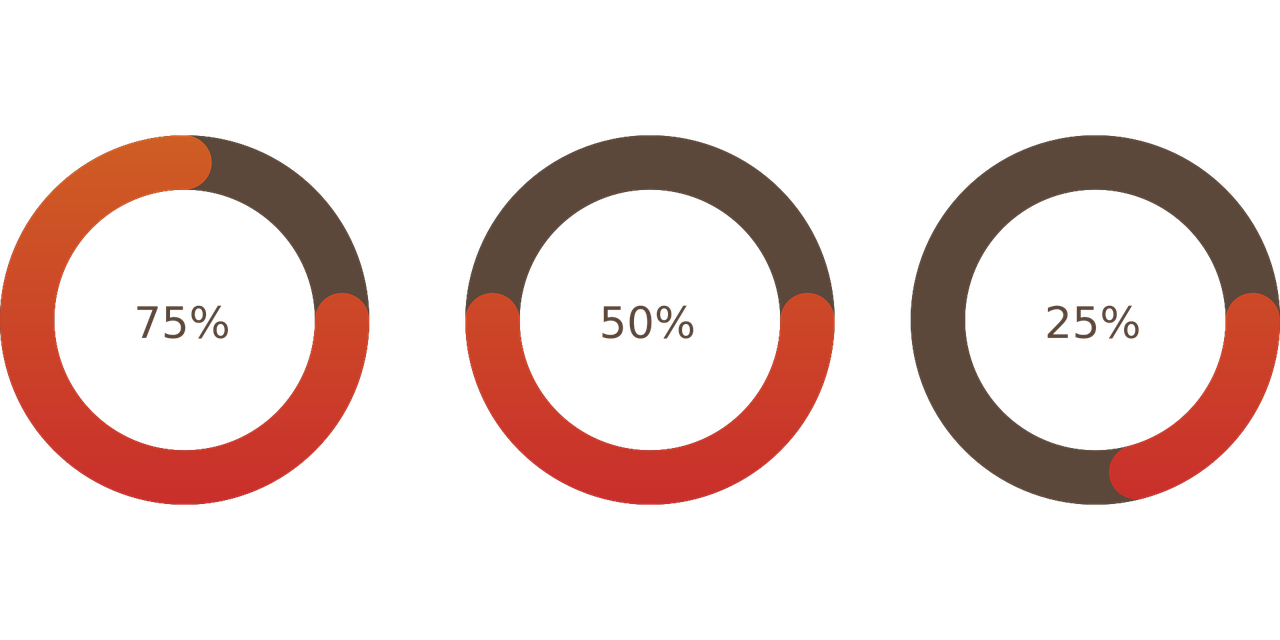
Keeping a visual representation of progress is imperative to maintaining engagement in bootcamp training. Visual aids such as charts, graphs, or even photo timelines can offer immediate reinforcement of hard work. Furthermore, these visuals enable trainees to see collective achievements, transforming abstract goals into concrete milestones. For example, a simple graph showcasing weekly progress can instigate amusement and pride within participants. Celebrating these landmarks creates a culture of recognition and encourages continued effort. Social media platforms can amplify this visual experience, allowing participants to share their achievements with friends and family. Posting before-and-after photos or workout updates nurtures a sense of accountability within oneself, letting others support their journey actively. Furthermore, creating a dedicated progress board within the training environment can enhance focus, inviting participants to engage daily with their goals. This visual connection solidifies their commitment to personal growth and fosters a sense of community among fellow bootcampers. Ultimately, utilizing visual progress indicators helps keep everyone motivated while cultivating a space for admiration and achievement.
Utilizing Technology for Effective Tracking
In the age of technology, utilizing fitness apps and wearables has become indispensable in monitoring progress during bootcamp training. These devices offer detailed metrics related to physical activity, sleep quality, and nutrition. Incorporating such technology into training regimens provides a real-time overview of individual performances, enabling users to make informed decisions about their training approaches. For instance, heart rate monitors can give immediate feedback on cardiovascular performance, while fitness trackers can assess step counts and calories burned. Many apps allow users to record workouts directly or sync with wearables, thus amassing historical data over time. This wealth of information can be beneficial for recognizing patterns and achieving consistency. Additionally, community features within such apps can create a sense of competition or camaraderie, inspiring participants to remain engaged. Another advantage provided by tech is access to a wealth of resources, including numerous workout guides, nutrition advice, and recovery techniques. Thus, embedding technological solutions into workout routines not only aligns with modern-day expectations but also acts as a catalyst for achieving training success.
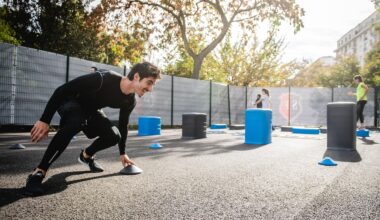
Enhancing bootcamp performance through individualized training programs is often rooted in comprehensive progress tracking. A tailored approach assists in addressing specific strengths and weaknesses, allowing participants to shine in areas best suited to them while improving their limitations. An essential initial step is to conduct a fitness assessment to establish a baseline marking current conditions. Through personalized programs, participants receive attention concerning their unique needs, creating an environment where everyone can thrive. Coaches play a vital role, providing individualized feedback based on tracked data. This feedback loop ensures sustained engagement, inspiring participants to push themselves and exceed their expectations. Incorporating variety into training regimens can also help prevent stagnation. By tracking different variables such as endurance, strength, flexibility, or agility, trainers can create challenges that cater to individual goals effectively. Offering tailored challenges like obstacle courses or team activities can further motivate participants to enhance their efforts. In conclusion, individualization through progress tracking fosters a growth-centered atmosphere throughout bootcamp training.
Community Support and Motivation
The role of community support cannot be overlooked when it comes to tracking progress and enhancing performance in bootcamp training. Community involvement can act as a significant motivator, providing encouragement and camaraderie among participants. Engaging in group activities often allows individuals to share their experiences, triumphs, and struggles. This team momentum spurs personal motivation, where each member feeds off each other’s enthusiasm. Social gatherings or training events that celebrate achievements and focus on improvement create a positive atmosphere. Recognizing effort through rewards, such as fitness challenges or fun competitions, also contributes to a thriving community. Incorporating accountability groups can additionally sharpen focus on individual goals, as members hold each other responsible for meeting expectations. As individuals feel supported, they are more likely to maintain consistency and push through barriers. Thus, the camaraderie found in bootcamp training settings reinforces personal commitment, offering strength in numbers. In summary, community support is instrumental in enhancing performance and accountability, ensuring that progress tracking becomes a collective journey.
Ultimately, integrating varied progress tracking methods is indispensable to achieving success in bootcamp training. By employing daily logs, regular assessments, visual representations, technology, individualized programs, and community support, participants are positioned for continuous improvement. Each method enhances the overall training experience by fostering reflection and providing actionable feedback. Regular evaluation ensures that individuals receive the encouragement they need while maintaining accountability. Furthermore, peer interaction and community spirit significantly improve motivation and engagement. Successfully tracking progress ensures clarity, allowing trainees to recognize observable advancements and celebrate milestones. Incorporating a holistic array of strategies addresses different aspects of personal development, generating a well-rounded training program. As trainers and participants commit to these techniques, they nurture an inspiring environment that emphasizes growth over time. This multifaceted approach transforms the bootcamp experience into a supportive, goal-driven journey bringing significant performance enhancements. In conclusion, by adopting an extensive toolkit of tracking methodologies, individuals embark on a path that optimally positions them for success.