
Integrating Strength Training with Judo Practice
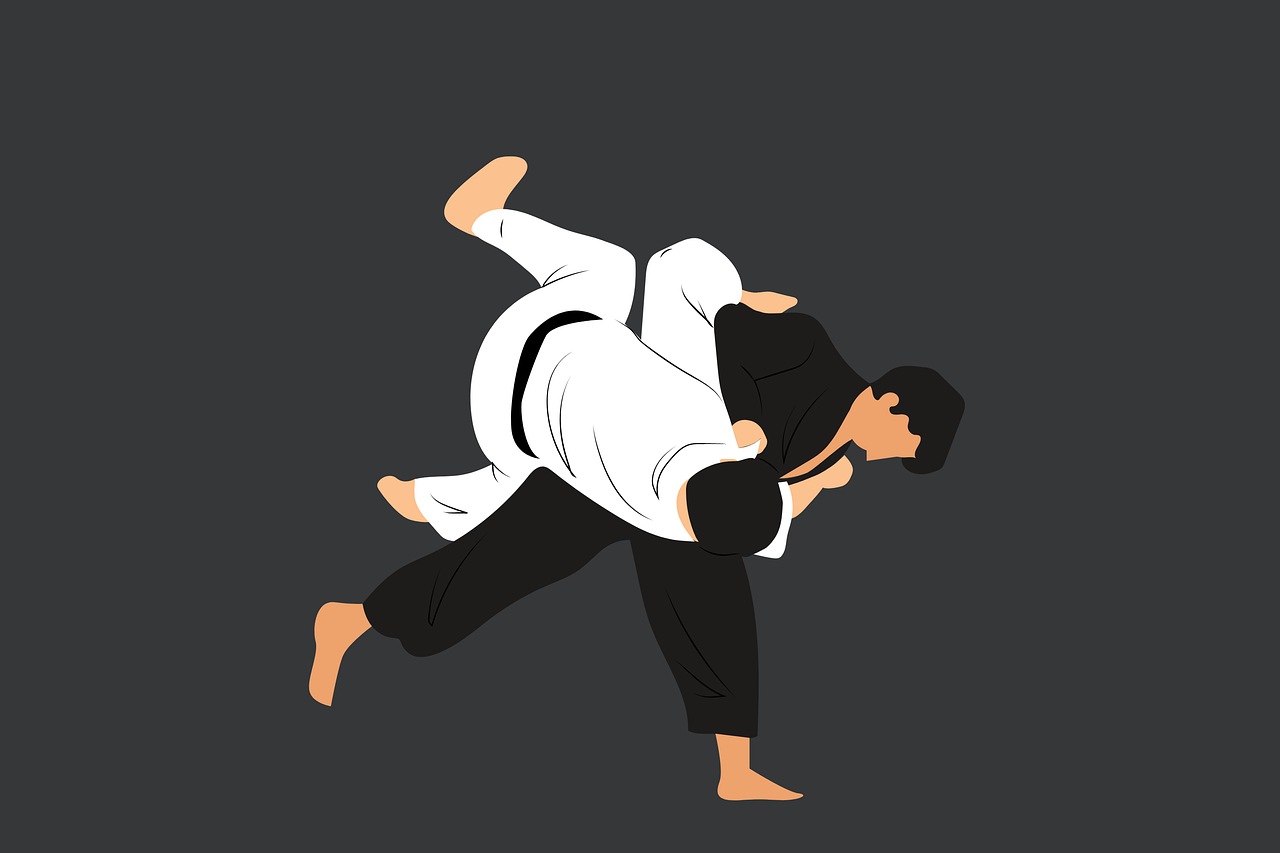
Judo is a martial art that focuses not only on technique but also on physical conditioning. Combining strength training with judo practice can significantly enhance performance. A judoka, or judo practitioner, benefits from a strong foundation, as it improves throws, grips, and overall endurance. Integrating strength training requires careful planning to ensure optimal results while avoiding injuries. Beginner judokas can start with bodyweight exercises like push-ups, squats, and planks to build basic strength. As they progress, resistance training with free weights or machines becomes essential. This training should prioritize muscle groups most utilized in judo, targeting the core, legs, and upper body. For example, deadlifts can enhance explosive power, beneficial for throwing techniques. Another effective method is circuit training, which combines strength and conditioning to simulate judo matches. The improvement in strength translates to greater stability during grappling and quicker movements during randori or sparring sessions. In summary, strength training complements judo by developing muscle, improving technique, and boosting overall athletic performance. This holistic approach ensures that practitioners are well-rounded and prepared for competitive events.
The Importance of Core Strength in Judo
Core strength is a crucial aspect of judo that significantly impacts a doka’s performance on the mat. The core comprises numerous muscles in the abdomen, back, and pelvis, providing stability and balance essential in judo techniques. A strong core enhances posture and reduces the risk of injury, making it imperative for successful judo practice. Exercises such as planks, medicine ball throws, and rotational movements improve core stability and power. Additionally, exercises like dead bugs and Russian twists can reinforce abdominal strength, directly contributing to improved throwing techniques. Improved core strength helps judokas maintain their balance while executing throws and allows for better control during grappling. It also aids in generating the necessary force in transitions, helping to achieve victory during competitions. Moreover, a stable core assists in maintaining alignment and posture, which can be a decisive factor in executing techniques effectively. Consequently, judokas should prioritize core conditioning alongside strength training. Incorporating these core exercises into typical training routines can lead to significant performance enhancements over time, making them effective and essential parts of an integrated training program.
Strength training not only boosts muscle but also enhances overall athleticism, crucial for judo. When judokas incorporate strength training, they naturally develop attributes such as speed and agility. As they engage in various modalities of strength training, practitioners learn to control their body weight efficiently. This is particularly beneficial in judo, where body control is paramount in executing throws and countering opponents. Speed can be improved by performing explosive movements like power cleans and kettlebell swings, directly translating into quicker responses during matches. To further enhance agility, incorporating agility ladder drills or cone drills alongside strength training can yield significant results. Such drills require judokas to swiftly change directions, mirroring the footwork needed in bouts. This agility translates to improved defensive maneuvers and quick counters. Additionally, flexibility should not be overlooked; integrating stretching routines post-strength training ensures joints and muscles remain limber, which aids in the execution of judo techniques. A strong, agile, and flexible body is essential for success in judo, leading to improved performance in competitions. Thus, enhanced strength training leads to overall athletic improvement, enabling judokas to excel in their judo journey.
Specific Exercises for Judo Practitioners
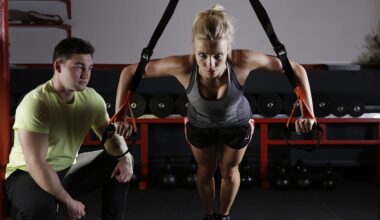
To maximize strength training’s effectiveness for judo, practitioners must select exercises that address the demands of the sport. Compound movements should be prioritized, as they engage multiple muscle groups simultaneously. Exercises like squats and bench presses target large muscle groups essential for judo while also improving overall body strength. Olympic lifts, such as cleans and snatches, promote explosive power and help judokas generate force effectively during throws. Additionally, unilateral exercises like single-arm rows and split squats can address imbalances and improve stability during combat. Resistance bands can also be integrated for functional strength, providing versatility in training regimes. Engaging in plyometric exercises, like box jumps or burpees, can increase explosive strength critical for judo performance. In terms of upper body development, pull-ups and dip variations enhance grip strength vital for effective holds. Practitioners should focus on varied rep ranges, incorporating lower weights with higher repetitions for endurance, alongside higher weights at lower repetitions to build strength. Following a well-structured training plan that focuses on these specific exercises can significantly improve a judoka’s effectiveness on the mat.
Periodization is essential for integrating strength training with judo practice effectively. Understanding the phases of training enables judokas to optimize performance while allowing necessary recovery. A periodized training plan alternates between phases focusing on strength, hypertrophy, power, and endurance specific to judo’s demands. For instance, early training phases may prioritize maximal strength development to build a strong foundation. As competition approaches, the focus might shift toward peak power, enhancing explosiveness needed for match performance. Furthermore, incorporating recovery periods is vital in ensuring that muscles heal and adapt, preventing injuries that can arise from overtraining. Strategic deload weeks can help judokas avoid burnout while allowing consistent progress. Nutrition also plays a critical role during this periodization, as the right intake is necessary for muscle recovery and growth. Athletes must ensure a balanced diet rich in protein, carbohydrates, and healthy fats to fuel their training effectively. Balancing strength and technique-focused training allows judokas to perform optimally during matches without compromising skill or physical fitness. Therefore, proper planning and execution of a periodized training plan become vital for judo athletes aiming for success in competitive environments.
Integrating Recovery into Training
Recovery is a crucial element of any training regimen for judo practitioners focused on strength training integration. After rigorous sessions, muscles need time to heal and grow. Recovery techniques, including rest days, active recovery, and restorative practices, help judokas maintain physical health and performance. Active recovery activities, such as light jogging or swimming, promote blood circulation, aiding in muscle recovery. Stretching or yoga can enhance flexibility, which is vital in judo, preventing injuries. Mental recovery is equally important, ensuring judokas return to training motivated and focused. Implementing modalities like massage therapy can alleviate muscle tension and promote relaxation, furthering recovery. Adequate hydration, combined with balanced nutrition, is essential in replenishing energy stores post-training. Practitioners should prioritize sleep as well, as it plays a critical role in muscle recovery and mental clarity. By recognizing the importance of recovery, judokas can train more effectively and efficiently, preventing the negative effects of fatigue. Thus, a well-rounded focus on recovery enhances their strength training’s benefits while allowing continued skill development, leading to improved outcomes in judo.
In conclusion, integrating strength training with judo practice can lead to substantial improvements in performance and overall athleticism. A judoka’s journey requires a comprehensive approach that intertwines strength, technique, and recovery. By engaging in targeted strength exercises and following a periodized routine, athletes can develop their physical attributes alongside their judo skills. Training plans should incorporate a mix of compound, unilateral, and explosive exercises to prepare judokas for the physical demands of matches. Additionally, recovery strategies should not be overlooked, as they are vital for maintaining peak performance. Both physical conditioning and mental preparation go hand-in-hand; the balance of these elements is key for success in competitions. Ultimately, a strategic fusion of strength training with dedicated judo practice helps practitioners unlock their full potential. Improved success on the mat ultimately leads to increased confidence and satisfaction within the sport. Therefore, judokas committed to enhancing their capabilities should embrace strength training and recovery as indispensable components of their training approach, paving the way for long-term achievement in judo.
Integrating strength training with judo practice promises a transformation in performance. Practitioners aiming for improved skill, strength, and competitiveness must understand the importance of coupling strength with their judo training. The progress made through enhanced physical fitness translates directly into judo techniques, allowing practitioners to exhibit greater control, agility, and endurance during bouts. With a holistic training plan that considers strength, conditioning, and recovery, judokas can truly excel. Therefore, their commitment to integrating proven strength training principles into their judo practice will not only help them achieve their goals but also cultivate a more profound appreciation for this dynamic and challenging martial art.