
How to Cook Low-Calorie Meals Without Losing Flavor
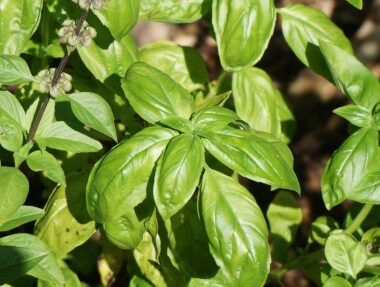
Cooking healthy meals that are low in calories doesn’t have to mean sacrificing flavor. One of the essential techniques for achieving this balance is using fresh herbs and spices. These ingredients can create a burst of flavor without adding extra calories or sodium. For instance, herbs like basil, cilantro, and chives can liven up salads, soups, and meats. To infuse your dishes with flavor, consider preparing herb-infused oils or marinades. Another tip is to roast vegetables, which brings out their natural sugars and enhances their taste. Toss them with light seasonings and roast until golden. Additionally, explore using acid; a splash of lemon juice or balsamic vinegar can elevate the flavor profile of your meals significantly. You can also experiment with different cooking methods, such as grilling, steaming, or baking, which can keep meals lighter while enhancing their taste. Using low-calorie ingredients as staples, like legumes, whole grains, and lean proteins, can also help you prepare delicious meals. With the right techniques, creating low-calorie, flavorful dishes can become a delightful challenge to embrace.
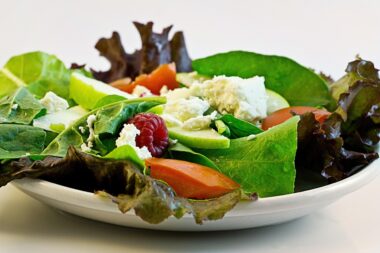
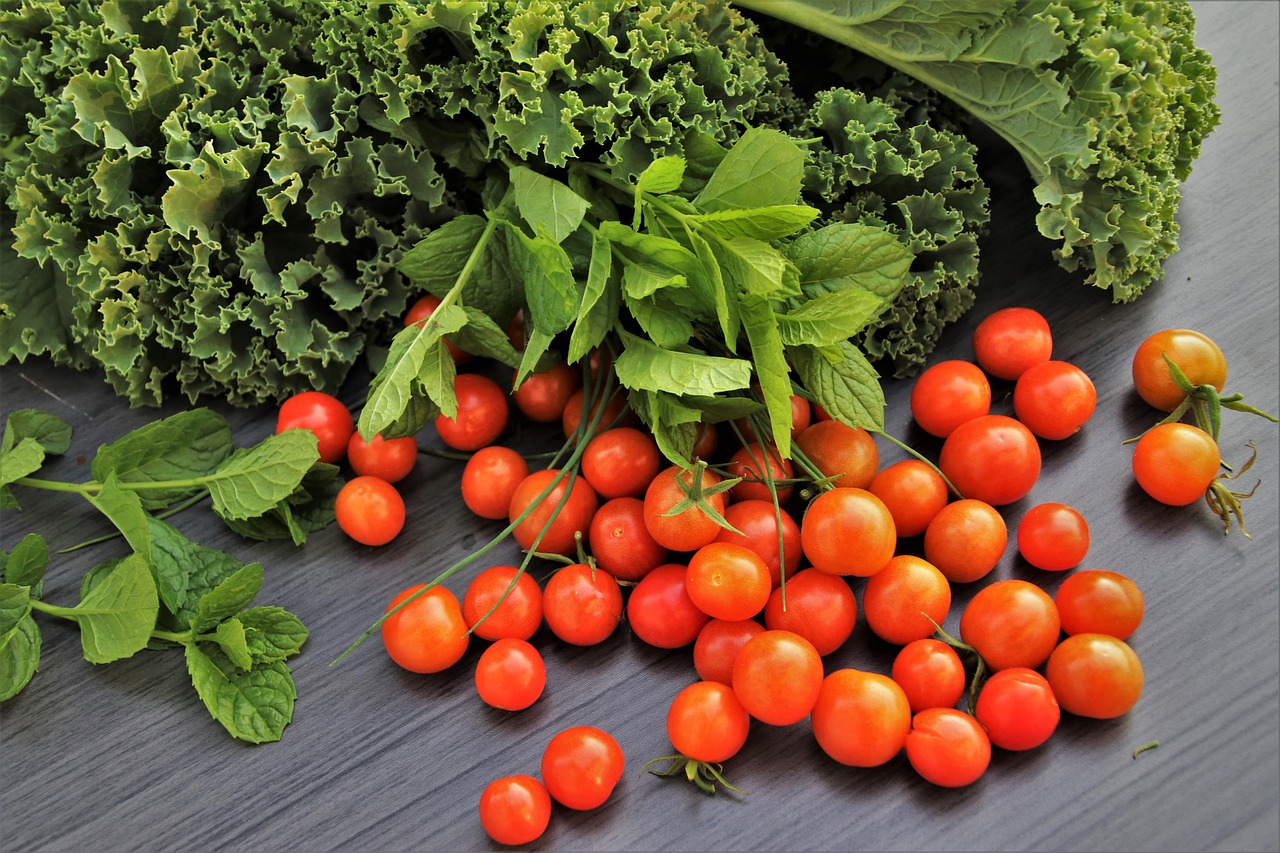
Incorporating a variety of textures and colors into your meals can immensely boost both appeal and taste. Dishes that are visually enticing tend to be more satisfying, making them feel indulgent without the added calories. Try mixing crunchy, creamy, and savory ingredients in salads or grain bowls. For instance, combine crispy radishes, creamy avocado, and hearty quinoa in a vibrant bowl. Adding colorful vegetables not only enhances the nutritional value but also provides visual excitement on the plate. Furthermore, consider incorporating superfoods such as kale, quinoa, or sweet potatoes, which can provide added nutrients without piling on calories. Cooking methods play a significant role too. For a satisfying experience, techniques like grilling can impart a delicious charred flavor, or steam vegetables to keep them tender yet crunchy. With tantalizing colors brightening your plate, you will find enjoyment in healthy eating, nurturing both your body and your taste buds. Experiment with new seasonal produce for every diet and strive for balance in meals by featuring various food groups without compromising on taste.
Substitutions for a Flavorful Experience
Substituting higher-calorie ingredients with healthier alternatives maintains flavor while trimming calories. For instance, replace heavy creams and mayonnaise with Greek yogurt or pureed silken tofu. These substitutes add creaminess while being lower in fat and calories. Additionally, using whole grain alternatives, like brown rice instead of white rice or whole wheat pasta instead of regular pasta, will not only reduce calorie intake but also increase fiber content, enhancing satiety. When baking, consider using unsweetened applesauce or mashed bananas in place of sugars or fats; these alternatives maintain sweetness and moisture with fewer calories. For sweetening dishes, alternatives like stevia, honey, or agave syrup can be excellent low-calorie substitutes. You can even reduce sugar by including spices like cinnamon or nutmeg, which provide a sweet flavor without the added calories. Another smart swap is to use vegetable broth for oil when sautéing; this method keeps calories low without sacrificing taste. By making informed ingredient choices, you can enjoy wholesome meals while still indulging your palate.
A major component of flavorful cooking lies in mastering techniques that enhance the natural tastes of food. For instance, browning foods can create depth of flavor that translates into richer meals. When you sear meat or vegetables, you create a tasty crust that’s packed with delicious results. Make sure to not overcrowd your pan; this will ensure that each item receives enough heat to caramelize properly. Moreover, deglazing the pan with broth or wine captures these burnt juices, making for an excellent base for sauces or gravies without excessive fat. Experimenting with different cooking times and temperatures can also yield various flavor outcomes. Avoid boiling vegetables, as this can result in loss of nutrients and flavor. Instead, opt for steaming or stir-frying at high heat for quick cooking. Grilling can give meats and vegetables an appealing smoky flavor. It’s all about developing techniques that utilize high-impact flavors while remaining healthy at the same time. Ultimately, investing time in honing these cooking skills pays off with frequent breathtaking meals that keep your diet enjoyable.
The Importance of Meal Planning
Meal planning is a vital aspect when striving to produce low-calorie meals full of flavor. Creating a weekly menu allows you to strategize nutrient-dense, low-calorie meals that keep your diet on track while saving time and stress. Devote a few moments each week to outline the meals you want, including breakfast, lunch, and dinner. Incorporating seasonal produce ensures freshness, flavor, and cost-effectiveness. Along with planning the meals, list the essential ingredients you’ll need; this helps eliminate food waste and encourages a well-stocked kitchen. Prepare healthy snacks in advance to avoid impulse eating and choosing less healthy options. In addition, consider batch cooking, preparing larger portions of meals, and freezing leftovers for when you need them. This practice not only saves time but ensures you have flavor-packed, low-calorie meals readily available. Finally, get feedback from family or kitchen companions after meals to adjust recipes according to what everyone enjoys, thus helping keep everyone engaged in the healthy cooking process.
Utilizing cooking gadgets can further enhance your ability to make delicious, low-calorie meals conveniently. Tools such as air fryers, blenders, and slow cookers can make nutritious cooking simple and tasty. Air fryers can replicate fried textures with a fraction of the oil, allowing for crispiness without dietary guilt. A good blender allows you to experiment with smoothies, soups, and sauces, while also integrating more vegetables into tasty recipes. A slow cooker creates rich flavors over time with minimal effort; simply throw in your ingredients in the morning, and return to a flavorful, wholesome dinner. Having essential kitchen tools also promotes creativity, enabling you to whip up new dishes without excessive effort. Another useful gadget is a spiralizer, turning vegetables into noodles, providing a low-calorie alternative to traditional pasta. Investing in these kitchen appliances not only makes cooking easier but assists in maintaining your health goals without compromising on flavor. Think of your kitchen as a creative playground where every meal can be an adventure.
Conclusion and Encouragement
In conclusion, cooking low-calorie meals doesn’t mean sacrificing flavor or enjoyment. With a few smart strategies and creative cooking techniques, you can prepare hearty dishes that delight the palate. Embrace spices, herbs, textures, and colors to make your meals vibrant and appealing. Remember that ingredient substitutions can significantly impact your overall calorie intake while keeping taste levels high. Stay open to exploring new cooking methods and enjoy the process. Meal planning, cooking gadgets, and cooking techniques empower you in the kitchen to create satisfying meals. As you navigate your cooking journey, be mindful and flexible. Enjoy the flavors that unfold as you experiment, witness your cooking novel evolve, and develop pride in the wholesome meals you can prepare that are both delicious and satisfying. Ultimately, this path promotes a healthier lifestyle without feeling deprived or restricted. Cooking can become an adventure that invites creativity into your kitchen and makes nourishing meals more enjoyable and fulfilling.
Encourage yourself to take this learning journey further by engaging family and friends. Invite them into your cooking process, exchange ideas, and enjoy community meals. Sharing knowledge and experiences can lead to even more inspiration for crafting flavorful, low-calorie meals. Challenge yourself to discover different cuisines and traditions that celebrate healthy ingredients while offering delicious options. Embrace each meal as an opportunity for nourishment, creativity, and fun in the kitchen. Remember, every delicious dish you create is a stepping stone toward your health goals.