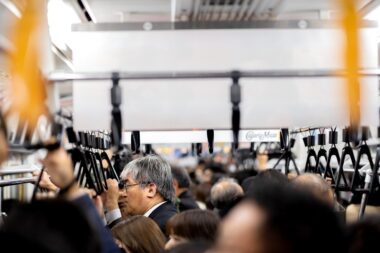

How Public Spaces Can Promote Better Posture
Public spaces play a crucial role in our daily lives, influencing not just social interaction but also our physical health. An important aspect of this is posture. Many people spend significant amounts of time in these environments, often engaging in activities that can lead to poor posture. Through thoughtful design and amenities that encourage better ergonomics, public spaces can significantly improve how we sit, stand, and move. Good posture is not only about aesthetics; it impacts our health and well-being. Promoting better posture through public space design can alleviate discomfort and reduce the risk of injuries arising from poor habits. For cities and communities, investing in ergonomic features is a win-win. Facilities such as benches, tables, and walking paths should encourage proper alignment and balanced body positions. Implementing these elements fosters healthier communities. The responsibility lies with urban planners and designers to create inclusive environments that promote physical wellness. Encouraging better posture in public spaces ultimately contributes to a healthier overall community.
When considering how public spaces can be enhanced for better posture, it’s essential to focus on seating arrangements. The availability of ergonomic benches and tables can significantly influence the posture of individuals using them. These designs should support comfort while encouraging alignment of the spine, particularly in parks and plazas where many people gather. Spaces like libraries and waiting areas can benefit from furniture designed to support good posture. For example, intentional seating arrangements can provide back support and discourage slouching. Ensuring that furniture is not only aesthetically pleasing but also functional is vital. Additionally, signage and education about proper posture can be incorporated in these areas. This can inform the public on the importance of maintaining good alignment. Simple graphics or guidelines can easily remind users to sit upright and engage their cores. The more people understand the effects of their posture, the more likely they are to adopt better habits in public spaces. Hence, combining thoughtful seating design with educational elements can positively impact community health.
Designing Active Spaces
Creating opportunities for movement is another way public spaces can promote better posture. Parks and urban areas can encourage physical activity through features like walking trails, exercise stations, and even dance areas. When people are encouraged to move more, they will naturally engage their muscles and maintain better posture. Active spaces should cater to all ages and abilities, ensuring inclusivity. Elements such as gradual slopes instead of steps can assist those with mobility challenges while promoting movement among everyone. Additionally, integrating elements like climbing walls or outdoor gyms can further attract community members to stay active. Incorporating these features can transform ordinary spaces into hubs of movement. Expanding walking paths can unite different areas of a community, encouraging more foot traffic and therefore, healthier habits. Engaging the community to participate in creating these features can also enhance their connection to the space. Friendly competitions like “walking challenges” or community fitness classes can bolster social bonds. Ultimately, investing in dynamic public spaces leads to a healthier populace by fostering movement and better posture.
The role of nature in promoting better posture in public spaces cannot be overlooked. Greenery, such as trees, canopies, and plants, not only beautifies a space but encourages people to engage and interact with the environment positively. Natural settings provide a calming effect that may influence people to walk straighter or sit more comfortably. For instance, strategically placed seating areas amidst greenery can encourage people to rest in a relaxed posture, benefiting their spinal health. Parks can also provide environments for yoga and stretching, encouraging deeper postural awareness. Furthermore, embracing natural elements should include walking paths lined with trees or flowers to create a multi-sensory experience that invites users to move more mindfully. Public art installations can also complement green spaces and create focal points that keep people moving. While enjoying nature, people are naturally inclined to maintain healthier postures. That connection between health and the environment becomes even more critical in urban settings where nature can seem distant. By merging biophilic design principles with ergonomic features, urban planners can facilitate better posture among citizens while enhancing their experiences.
Community Engagement for Better Ergonomics
Involving the community in the design and use of public spaces ensures that ergonomic solutions meet their needs and preferences. Local feedback and input can lead to creative ideas that enhance posture-promoting features. Utilizing methods such as workshops, surveys, and public meetings enables designers to gather crucial insights from residents. These discussions also increase community investment in the spaces. Involvement fosters a sense of ownership, encouraging people to use public areas more. Once communities feel a strong connection with their spaces, they will more likely participate in activities that promote better posture. Additionally, social events or workshops focusing on health, wellness, and posture could be hosted in these spaces. Health fairs or informational sessions can spotlight the importance of posture in daily life. Offering free yoga classes, posture workshops, or fitness challenges in public parks can educate attendees while encouraging proper alignment principles. Overall, engaging the community creates a valuable feedback cycle that can continually improve public spaces and contribute to healthier habits. Elevating public health through collaboration leads to enriched quality of life for everyone.
Accessibility is a crucial component when discussing ergonomics in public spaces. Ensuring that everyone, regardless of ability, can access features that promote good posture is essential for inclusive design. This involves considering the layout and type of amenities provided. Ramps, properly designed paths, and appropriate seating arrangements should be available for individuals with mobility impairments. The application of universal design principles can ensure that ergonomic offerings benefit all community members. Public spaces should incorporate adjustable seating or standing tables that are adaptable to users of varying heights. By providing options, designers can facilitate improved posture for diverse user groups. Additionally, sensory elements, like textured paths, can guide individuals with vision impairments, helping everyone navigate spaces safely. This holistic approach means considering the varied needs of the community while designing ergonomic spaces, ultimately fostering inclusivity. When communities are designed with accessibility in mind, better posture becomes an attainable goal for all. Also, attracting people of all abilities to public areas can help integrate these thoughtful postural considerations, teaching the community about the importance of maintaining healthy habits.
The Future of Public Space Design
In conclusion, the future of public space design must prioritize ergonomic principles to enhance community well-being. As cities evolve, investing in features that support better posture will be paramount. Such elements can include more sophisticated seating options, comprehensive movement spaces, nature integration, and community involvement strategies. Emphasizing better posture in public spaces can lead to a healthier populace overall. As more urban areas recognize the importance of public health, they can redefine how they structure spaces to support physical well-being. The integration of technology could further enhance this effort. For example, smart benches that provide feedback on posture or sensors in public spaces that encourage more movement can revolutionize community health initiatives. The balance of technology, nature, and ergonomic design can unite to create areas that promote vitality. However, consistent community feedback and engagement remain vital for long-term successful design. The investment in healthier public spaces pays dividends in improving community health, engagement, and satisfaction. Recognizing the relationship between our environments and well-being drives the mission to create inclusive, posture-friendly public spaces that benefit everyone.
Continuous assessment and improvement of public spaces should be an ongoing practice as communities grow and evolve. Planning for the future means considering how people will use these spaces over time. Trends in public behavior and lifestyle changes should inform design updates. Addressing the ergonomic needs of citizens changes over time, emphasizing adaptability in public space design. For example, increased remote working may lead to more users needing designated co-working areas within parks. Features that promote better posture will be essential. This requires a detailed understanding of how work-life balance changes affect the use of public spaces. By constantly evaluating the success of existing elements and remaining open to innovation, municipalities can create environments that actively support health. Developing partnerships with health organizations can further support initiatives that focus on posture improvement in public spaces. Gathering data on public usage patterns and health outcomes can help shape strategies moving forward. With commitment, cities can create public spaces that adapt to ensure ergonomic benefits continue to serve healthier communities.