
Healing Through Breath: Techniques for Trauma Recovery
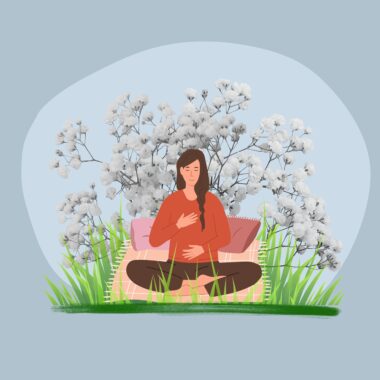
Breathing exercises are vital tools that can aid in the healing of trauma through the mind-body connection. These techniques promote relaxation, reduce stress, and enhance emotional regulation. One foundational exercise is diaphragmatic breathing, which engages the central muscle of respiration. To practice this, find a comfortable position, either sitting or lying down. Place one hand on your chest and the other on your diaphragm. As you inhale deeply through your nose, ensure your diaphragm expands while your chest remains still. Exhale slowly through your mouth, letting go of tension. A consistent practice helps bring awareness to breath, allowing you to connect with the body’s signals. This connection can lead to improved emotional resilience and clarity. Understanding that breath influences our emotional state can significantly enhance trauma recovery. Implementing diaphragmatic breathing in daily routines not only aids in grounding oneself but also cultivates self-awareness and mindfulness. Thus, mastering breathing techniques can be an essential part of a comprehensive trauma recovery plan.
Building on diaphragmatic breathing, we have another successful practice called box breathing. This method involves a rhythmic pattern that promotes relaxation and focus. To begin, inhale deeply through your nose for a count of four. Hold your breath for another count of four. Exhale through your mouth for four counts, and finally, hold the empty breath for another four counts before inhaling again. This can be repeated several times, creating a cycle that calms the nervous system. Box breathing can profoundly shift your mindset when dealing with stress or anxiety caused by trauma. The structured nature of this technique creates a sense of control, which is vital during recovery. It’s essential to practice box breathing in a quiet place where you feel safe and comfortable. Over time, you’ll find that you can use the technique in various situations, helping to anchor you during moments of emotional turbulence. You’ll create a safe haven for yourself through consistent practice. In doing so, you empower yourself to handle challenging emotions, paving the way for profound healing.
A further technique that can benefit trauma recovery is the 4-7-8 breathing method. This exercise is relatively simple but incredibly effective in combating anxiety. Implementing the technique is straightforward, but it requires consistency to reap the benefits. To perform it, first exhale completely through your mouth, making a whooshing sound. Close your mouth and inhale quietly through your nose for a count of four. You should then hold your breath for a count of seven. Follow this by exhaling completely for a count of eight. Repeat the cycle at least four times, although practicing more can enhance its effectiveness. The 4-7-8 technique promotes relaxation by increasing oxygen flow to your brain, encouraging a calming response in your body. This method can also serve as a useful tool to combat insomnia, a common symptom experienced by those dealing with trauma. Practicing this technique can lead to better overall health, improved sleep quality, and reduced anxiety. Incorporating this simple tool into your daily routine can promote feelings of safety and calm, essential elements in trauma recovery.
Mindful Breathing and Its Benefits
Mindful breathing is another essential practice for trauma recovery, combining breath awareness with mindfulness techniques. This method teaches you to focus on your breath while being aware of thoughts and feelings without judgment. To practice mindful breathing, find a quiet space and sit comfortably. Close your eyes and begin to focus on your breathing. Observe the natural rhythm of your breath. You may notice thoughts intruding, but don’t engage with them; just acknowledge and let them pass as you return your focus to your breath. This practice nurtures self-compassion and awareness, enabling you to process emotions effectively. As you develop this skill, you may find clarity and peace in previously overwhelming experiences. Incorporating mindful breathing into your daily routine can significantly enhance your sense of well-being. It may take time to fully integrate this practice, but consistency is key. Mindful breathing can transform your relationship with your thoughts and emotions, providing a shift in perspective vital for trauma recovery. Ultimately, it fosters resilience and a deeper understanding of self, which are indispensable during healing.
Breath counting is another beneficial exercise for regulating emotions and providing focus. This technique promotes concentration and can be particularly helpful when grappling with difficult experiences. To practice breath counting, find a comfortable position and begin by inhaling deeply. As you exhale, count ‘one.’ With each subsequent breath, count upwards—’two,’ ‘three,’ and so on—up to a count of ten. After reaching ten, start over again from one. If your mind wanders, simply return to your last count without judgment. Practicing this method can help anchor your thoughts, providing clarity in moments of distress. Over time, you may discover that the act of counting allows for space between you and your thoughts, fostering emotional resilience. Breath counting can also be adapted to any situation where you feel overwhelmed. The more you practice, the easier it becomes, ultimately aiding in coping with trauma. In turn, this creates a much-needed sense of balance and peace amid life’s challenges. Integrating this exercise into your self-care routine can further enhance your healing journey.
Finally, utilizing prolonged exhalation is an effective breathing technique that promotes relaxation and decreases anxiety. This method centers on the principle that exhaling longer than inhaling stimulates the body’s relaxation response. To practice, inhale for a count of four and exhale gently for a count of six or more. This simple exercise can be integrated into any daily routine, requiring only moments to initiate. You may find it helpful to focus on how your body feels with each exhale, allowing for the release of negative energy and emotions. Prolonged exhalation can be particularly beneficial when feeling anxious or overwhelmed. Practicing this technique frequently can train your body to respond more effectively to stressors over time. By embracing prolonged exhalation, you create a state of calmness that becomes easier to access during challenging times. This method underscores the significant connection between breath and emotions, illuminating paths towards healing. Over time, prolonged exhalation helps reinforce your resilience and equips you with tools necessary for discerning emotional challenges. Ultimately, this technique fosters deeper self-awareness, an essential component of successful trauma recovery.
Conclusion
Incorporating breathing exercises into your daily life provides a rich toolkit for trauma recovery. Each technique outlined promotes greater self-awareness, emotional regulation, and enhanced mental well-being. By practicing techniques like diaphragmatic breathing, box breathing, and mindful breathing, you empower yourself to access resilience and transformation. Remember that healing is a gradual process; it takes time and consistent effort. As you explore these different breathing techniques, pay attention to what resonates most with you. Developing a personal practice tailored to your needs will enhance the effectiveness of these exercises. Different situations and emotions may call for specific techniques, and being open to that fluidity is crucial. Engage with these exercises regularly to reap their full benefits, as consistency compounds effectiveness. Recognize that you are not alone in this journey—many are walking a similar path toward healing. Embrace this opportunity to cultivate a healthier relationship with your breath and self. Allow these techniques to support you as you navigate the complexities of trauma recovery, leading you toward a more balanced and enriched life.