
Family Fitness Activities to Build Teamwork and Communication
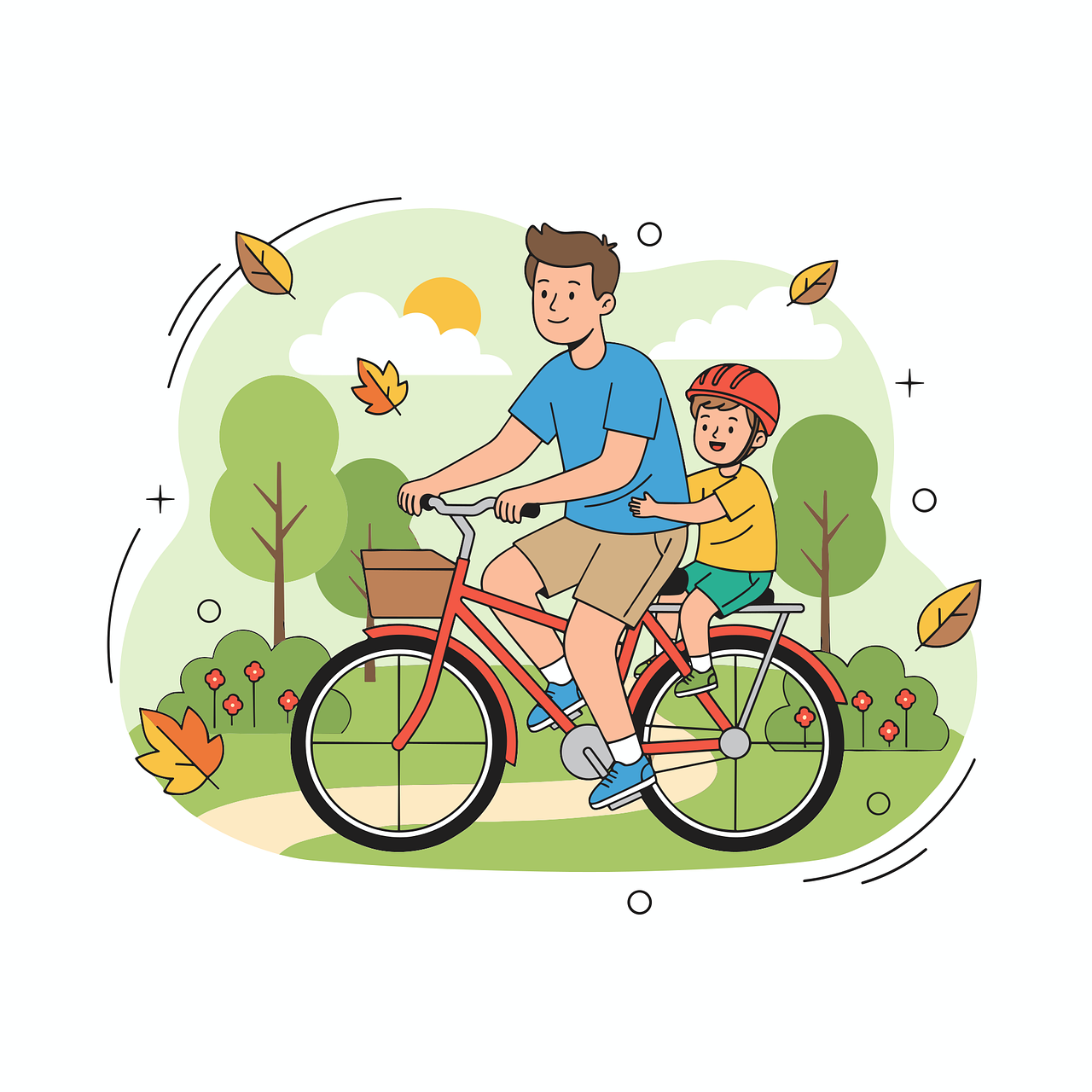
Engaging in family fitness activities is an excellent way to promote teamwork and enhance communication among family members. Families can participate in various activities that not only encourage physical fitness but also help build strong relationships. Activities such as hiking, biking, and playing sports together create lasting memories and provide opportunities for bonding. By setting fitness goals as a team, families can work towards achieving them collectively. This not only improves physical health but also strengthens emotional connections. Communication is vital for successful teamwork, and these activities necessitate constant dialogue. Planning a family walk or a fun run can foster discussions about strategies for success and the importance of support within the family. Creating a weekly schedule for family workouts can also instill discipline and routine, contributing to better health outcomes. Moreover, it introduces the value of setting goals and being accountable to one another. As family members cheer for one another, they learn to collaborate effectively while fostering responsibility and empathy in a fun and enjoyable setting.
Another great way to enhance teamwork and communication is through organized sports or recreational leagues. Joining a local sports team, such as soccer or basketball, provides a structured environment for families to engage collectively. Taking that step ensures that all family members contribute towards a common objective, which, in turn, strengthens their bond. Engaging in team sports requires clear communication and strategy formation. This necessitates discussing positions, player strengths, and developing tactical plans during games. Parents can model positive sportsmanship, helping children learn to communicate constructively while competing. Not only does playing sports foster physical fitness, but it also imparts valuable life skills, such as teamwork, cooperation, and effective communication. Family members learn to value each other’s input and work together, even during challenging situations. Moreover, winning or losing as a team teaches resilience and the importance of supporting each other, regardless of the outcome. Participating in organized sports helps families navigate emotions and celebrate achievements collectively, nurturing a culture of encouragement and respect within the family dynamic.
The Importance of Outdoor Activities
Spending time outdoors through activities like family camping can also significantly benefit communication and teamwork. Families will experience various outdoor activities, such as canoeing, hiking or fishing, while learning to depend on each other. These activities require collaboration and resourcefulness, where each member has a unique role. For instance, coordinating packing lists and ensuring that everyone is prepared fosters teamwork. In addition, planning meals together allows for discussion and decision-making, reinforcing communication skills. While camping, families can share stories around the campfire, creating an open atmosphere for sharing thoughts and feelings. Working together to set up a tent or prepare food requires input from everyone, enhancing problem-solving skills among family members. Emphasizing outdoor experiences supports physical fitness while also providing last opportunities for teamwork. Such activities work best in a fun, relaxed environment that promotes openness and creativity. Consequently, families who camp together return closer and with enhanced skills to communicate effectively. They carry the lessons learned during their exciting adventures into their everyday lives, improving family dynamics as a whole throughout future experiences.
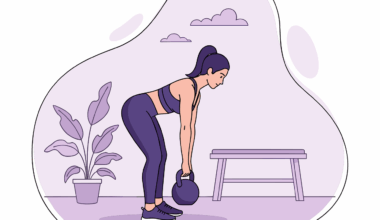
Family fitness activities can also include home-based workouts where teamwork is equally essential. Fun ideas could involve family dance-offs, obstacle courses in the backyard, or even yoga sessions in the living room. These activities can be adapted to accommodate all ages making it inclusive for everyone. Planning a schedule where everyone decides what type of workout occurs each day can instill excitement and anticipation. Informal structure promotes everyone’s commitment to the outcome. This communication establishes a common goal of staying active together, allowing everyone to contribute ideas while supporting one another. The funny moments created during home-based adventures offer great bonding experiences that evoke laughter and connection. Encouraging creativity ensures that fitness remains enjoyable, avoiding the pitfalls of monotony. Notably, also be supportive of one another during challenging moments. Establishing a positive feedback loop where everyone receives encouragement reminds family members of the power of teamwork. Overall, home fitness not only provides cardiovascular and strength training but also develops family members’ ability to collaborate and communicate effectively during workouts, embodying physical and emotional development throughout their fitness journeys together.
Family Challenges and Competitions
Creating friendly fitness challenges among family members can turn exercise into an exciting game. For example, families can compete in fitness activities such as who can complete the most laps around the park or who holds the plank position the longest. These challenges create lively environments where motivation and collaboration arise. Setting up a point system can further amplify the fun while also encouraging fair play. This not only promotes physical activity but also allows families to strategize together, thereby enhancing their teamwork skills. Additionally, celebrating achievements, whether small or significant, fosters an encouraging atmosphere. It’s essential that parents lead by example and build a positive discourse, ensuring that competition remains healthy and fun. Organizing monthly fitness challenges can set a routine that families eagerly anticipate, making each family member accountable for contributing. Bonding moments emerge while discussing techniques or sharing individual experiences. Friendly rivalries can also spark hilarious anecdotes and stories to look back on, creating shared family traditions. Overall, these fitness competitions transform physical exercise into an avenue for growing stronger together, nurturing communication while maintaining a fun-loving spirit.
Another effective way to promote teamwork and communication is through family volunteering for fitness-related causes. Participating in events such as charity walks, runs, or community clean-ups can cultivate a sense of purpose and strengthen family ties. Not only will everyone bond over a shared commitment to community service, but they will physically engage with real-world activities that promote health. Discussing goals for participation, whether it be financial raising or crowd engagement, requires teamwork, planning, and unity. Additionally, volunteering fosters empathy as families witness the impact of their contribution on the community. They learn the importance of supporting one another and those in need, reinforcing their emotional connection. These experiences also encourage open discussions about values and community spirit, which are vital elements of family dynamics. Enhancing communication skills comes naturally when decisions revolve around what activities to participate in. As families celebrate their accomplishments together, they cultivate shared purpose, highlighting the fun and unity in working together toward a cause greater than themselves. Through these shared missions, families not only promote fitness but also enrich their connections, solidifying relationships that last well beyond the activity.
Conclusion and Sustained Benefits
In conclusion, engaging in family fitness activities promotes teamwork and communication beautifully. Families can explore diverse activities such as sports, outdoor adventures, home workouts, and volunteering for fitness causes. The benefits these exercises provide extend beyond the mere physical aspect. They allow families to enhance their emotional bonds through laughter, shared challenges, and open discussions. When families work collectively toward achieving fitness goals, they develop healthy communication patterns that influence their day-to-day interactions. Each activity enables families to learn about each other’s strengths and how to support one another—creating lasting memories. The skills gained through these activities continue to evolve and enrich relationships as families grow together. As routines become established, a sense of cohesion emerges, motivating families to participate in new adventures together. It’s essential for families to remain flexible, adapt their activities to changing interests, and keep the focus on collaboration and fun. By implementing periodic family fitness sessions, families solidify their commitment not only to their health but also to nurturing relationships that foster effective communication and teamwork, laying the groundwork for a happier, healthier family and well-rounded family life.
Overall, this article provides several ideas for families to enhance cooperation and communication through fitness activities. The journey of these family fitness adventures encourages a proactive lifestyle, emphasizing that fitness can be a source of joy, teamwork, and empowerment.