
Detox Diets and Gut Health: Facts You Should Know
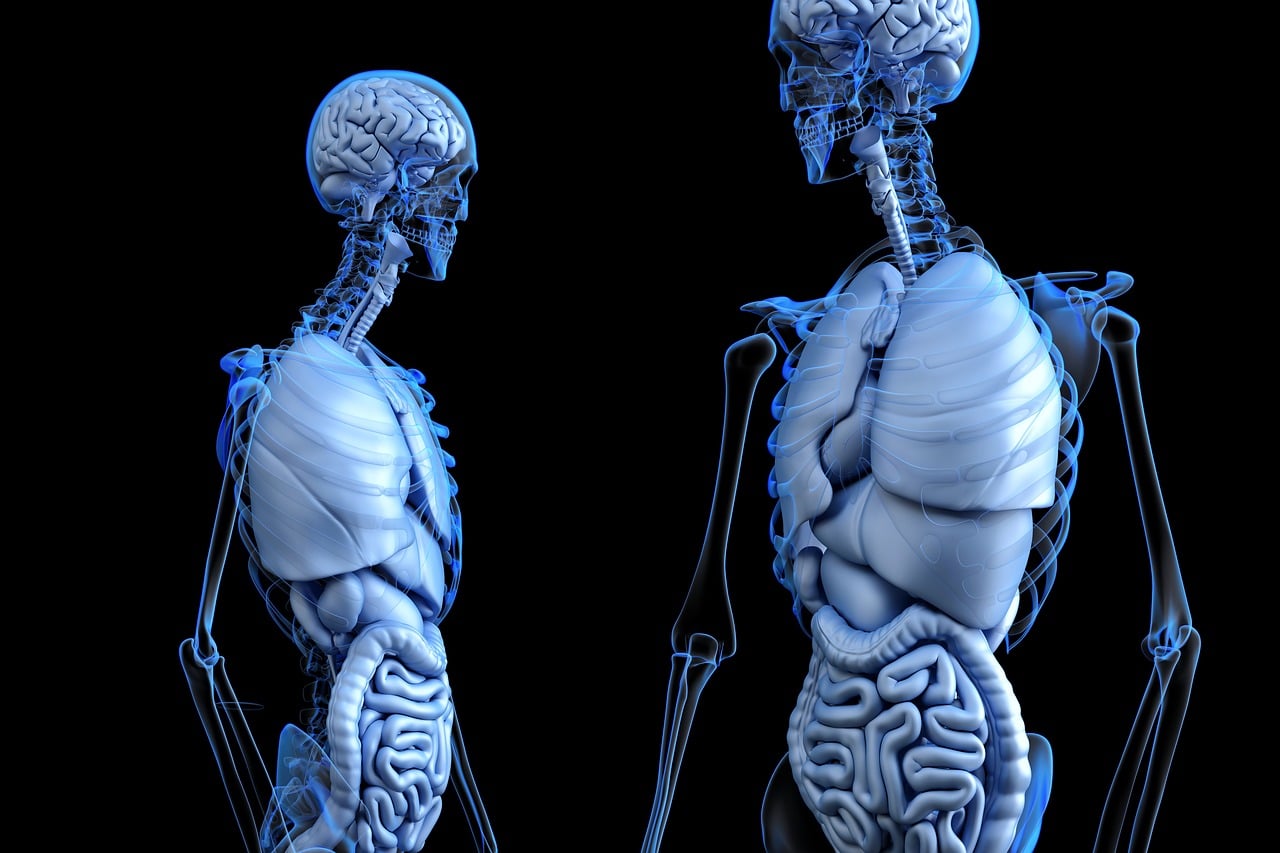
Detox diets are trendy but often misunderstood. Proponents claim these diets cleanse the body of toxins, ultimately improving gut health. However, scientific evidence supporting these claims is scarce. The human body already possesses an efficient detoxification system through the liver, kidneys, and intestines. For optimal gut health, a balanced diet rich in fiber, vegetables, and whole grains is essential. Many detox diets restrict nutrient intake, leading to potential deficiencies over time. Instead of focusing on temporary detox protocols, individuals should embrace sustainable lifestyle changes that promote gut health. Fermented foods such as yogurt, sauerkraut, and kefir can enhance gut microbiota. These foods provide beneficial probiotics that contribute to overall health. Hydration also plays a vital role; drinking plenty of water aids digestion and nutrient absorption. Incorporating regular physical activity further supports gut health, reducing stress and enhancing metabolic function. Debunking detox diets requires a closer look at nutritional science, recognizing the significance of long-term dietary habits. A balanced approach is always the best policy for achieving and maintaining gut health without succumbing to dietary fads.
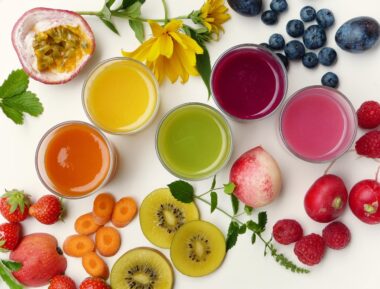
Understanding the myths surrounding detox diets is crucial in promoting proper nutrition. Many detox diets are marketed with flashy claims and images that attract consumers. However, these claims often lack empirical backing. Some believe that detox diets can eliminate heavy metals or harmful chemicals. In reality, the body’s natural detoxification processes work without needing restrictive diets. While some detox diets focus on liquid consumption or meal replacements, these practices often lead to a lack of essential nutrients. Inadequate nutrition can cause gastrointestinal issues such as constipation or bloating, adversely affecting gut health. It’s crucial to challenge the notion that one must go through extreme dietary measures to feel better. Restoring balance in the diet requires thoughtful consideration rather than overwhelming restrictions. Incorporating a variety of whole foods and reducing processed foods can yield improved energy levels and digestive health. Instead of detoxifying, a better focus is on gentle dietary shifts. Strategies like mindful eating and incorporating more fruits and vegetables into the diet are powerful steps for enhancing overall well-being. A practical understanding of nutrition fosters a positive relationship with food.
Benefits of a Balanced Diet
The primary key to gut health lies in adopting a balanced diet rich in nutrients. Whole foods, such as fruits, vegetables, lean proteins, and healthy fats, provide essential vitamins and minerals necessary for optimal bodily functions. For maintaining gut integrity, soluble and insoluble fiber is paramount since it aids digestion. Fiber-rich foods promote regular bowel movements, preventing constipation that can disrupt gut health. Additionally, these foods serve as prebiotics, feeding beneficial gut bacteria. This enhances the microbiome, contributing to improved digestion and immune function. Foods like oats, legumes, and nuts are excellent sources of dietary fiber. Regularly including such food items in meals and snacks supports digestive health. Furthermore, Omega-3 fatty acids found in fish, walnuts, and flaxseeds are known for their anti-inflammatory effects. Reducing inflammation in the gut is vital to prevent conditions like irritable bowel syndrome (IBS) and other gastrointestinal disorders. Emphasizing a diverse and balanced diet encourages gut health and overall well-being. Fostering consistency in these choices, without resorting to extreme detox diets, yields lasting benefits.
When exploring detox diets, the role of hydration cannot be overlooked. Adequate hydration is fundamental for digestion and detoxification processes. Water helps dissolve nutrients, making them accessible to cells, and aids in eliminating waste products from the body. Many detox programs emphasize fluid consumption, often promoting juices or herbal teas, but water should still be a staple. Remaining properly hydrated can improve gastrointestinal motility, preventing conditions like constipation. Herbal teas can be a helpful addition, offering soothing properties for digestion. However, overreliance on juices can lead to excessive sugar intake, which may be detrimental to gut health. Maintaining balance, one should focus on pure water as primary hydration. Drinking enough water daily contributes to fewer digestive complaints and improved nutrient absorption. Additionally, water plays a crucial role in the detoxification process, supporting functions performed by the liver and kidneys. More than just a detox tool, hydration affects overall health. By prioritizing hydration within a well-rounded diet, individuals can foster a thriving gut environment without resorting to restrictive detox diets.
Identifying Healthy Habits
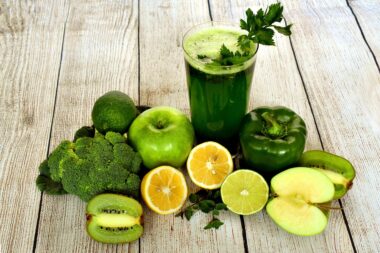
Adopting healthy habits requires mindfulness and intention rather than radical changes. Incorporating small, sustainable modifications into daily routines can enhance gut health over time. Start by introducing more vegetables into meals, aiming for color variety. Diverse plant-based foods contain various nutrients that benefit overall health. Next, consider reducing processed foods enriched with added sugars and unhealthy fats. These substances can disrupt gut microbiota, leading to various gastrointestinal issues. Additionally, becoming more aware of portion sizes can help manage caloric intake, preventing excess consumption. Involvement in mindful eating practices ensures that individuals truly appreciate their food. Sitting down for meals, chewing thoroughly, and minimizing distractions can boost digestion. Moreover, consistent meal timing establishes routine, aiding in digestion and metabolism regulation. Prioritizing sleep and stress management also profoundly impacts gut health. Chronic stress may lead to digestive disruptions, intensifying discomfort, and negatively affecting gut microbiota. By addressing mental and physical well-being, individuals can foster a healthier gut environment through holistic approaches rather than reactive detox diets. Making incremental changes nurtures lasting results.
In conclusion, understanding detox diets and their effects on gut health can help individuals make informed dietary choices. While detox diets may seem appealing, evidence suggests a focus on sustainable, balanced nutrition is more beneficial. The body is already equipped to cleanse itself, underscoring the importance of providing it with proper nutrients. Instead of falling for the hype of detox diets, embracing moderation and mindful eating is crucial. A diverse array of foods contributes to a thriving gut microbiome, ultimately promoting wellness and vitality. Nutrient-dense foods, adequate hydration, and consistent habits create a favorable environment for gut health. Hopefully, the discussion discredits the myth that extreme measures are necessary for improvement. Instead, simple lifestyle changes, incorporated gradually, can yield significant long-term effects. Gaining understanding leads to better food choices and an overall healthier life. Ultimately, it’s about creating balance, which fosters an optimal gut environment. Remember, it’s never too late to embark on a journey toward better nutrition and gut health. Let the focus remain on positive change rather than following various trends that promise quick fixes.
Final Thoughts on Detox and Nutrition
As the conversation around detox diets evolves, so does the quest for healthy living. The myths tied to these diets may tempt individuals seeking immediate results; however, long-term health hinges upon consistent dietary practices. Understanding how the body effectively detoxifies can dispel the allure of extreme cleanses. Rather than engaging in restrictive diets, it’s essential to pursue an inclusive approach to nutrition. This includes engaging with a wide range of whole food sources, which positively affect gut health. Culinary variety, combined with balance and moderation, creates a sustainable way to enhance overall health. Furthermore, emphasizing the importance of connection between food choices and emotional health is paramount. Building a positive relationship with food ensures accountability in nutrition choices. While the latest trends offer temporary excitement, it’s the foundation of balanced practices that pave the way for lasting wellness. Community resources, online education, and personal experiences can guide many on their journey. Listening to one’s body is critical in recognizing how foods impact gut health. Ultimately, everyone can seek individualized approaches that cultivate well-being.
Emphasizing the journey toward maintaining gut health demonstrates a lifelong commitment to wellness. Knowing what contributes positively to health equips individuals to make better choices daily. By prioritizing nutrition, hydration, and mindful habits, anyone can improve their health. Engaging with local communities, sharing experiences, and supporting one another fosters shared goals. Unique health journeys exist among people; embracing them can inspire others. Celebrate small steps; each change will encourage growth and foster resilience. The road doesn’t always require drastic measures or trends; often, simplicity is the solution. Reflecting on personal progress reinforces the value of persistence and adaptability. All individuals deserve to achieve optimal wellness, creating a ripple effect that influences others. Advocacy for balanced health extends beyond personal boundaries, promoting a culture of wellness in various communities. Striving for optimal nutrition combined with joyful routines enriches life experience. Hope this understanding of detox diets and nutrition nurtures continuous exploration of healthier habits. Encourage discussions about the importance of gut health and wellness practices in daily life. A united front in promoting knowledge and access to nutritional education benefits everyone.